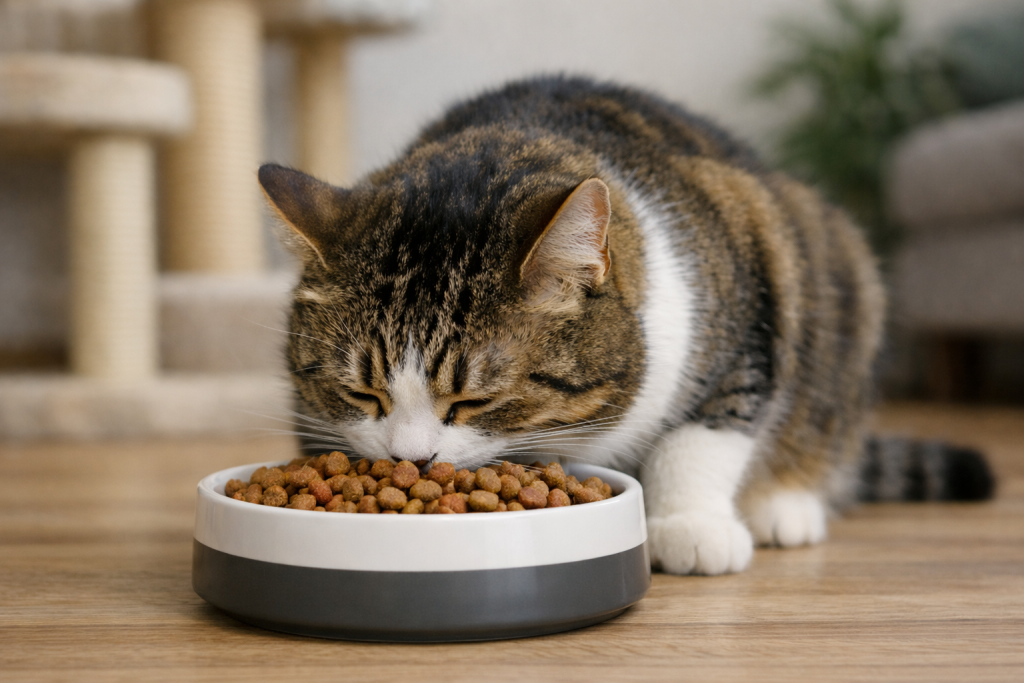
It is 3 AM and your cat is on your chest, meowing like dinner never happened. The bowl was empty hours ago, you refilled it, and now they are back in the kitchen acting starved. If you have wondered why is my cat always hungry, you are far from alone. A cat that begs around the clock is one of the most common complaints vets hear, and one of the most misunderstood.
Usually it comes down to two things: the feeding setup is off, or something medical is driving the appetite up. This guide walks through the 9 reasons vets check first, in the order they rule them out, plus the warning signs that mean a vet visit.
Note: this is general information, not a diagnosis. Only your vet can say what is going on with your cat. But by the end you will know exactly what to bring to that appointment.
Check the bowl first: 4 feeding reasons your cat seems starving
Most constantly hungry cats are not sick cats. Their meals just need adjusting. Rule these out before you worry.
1. The portion is too small
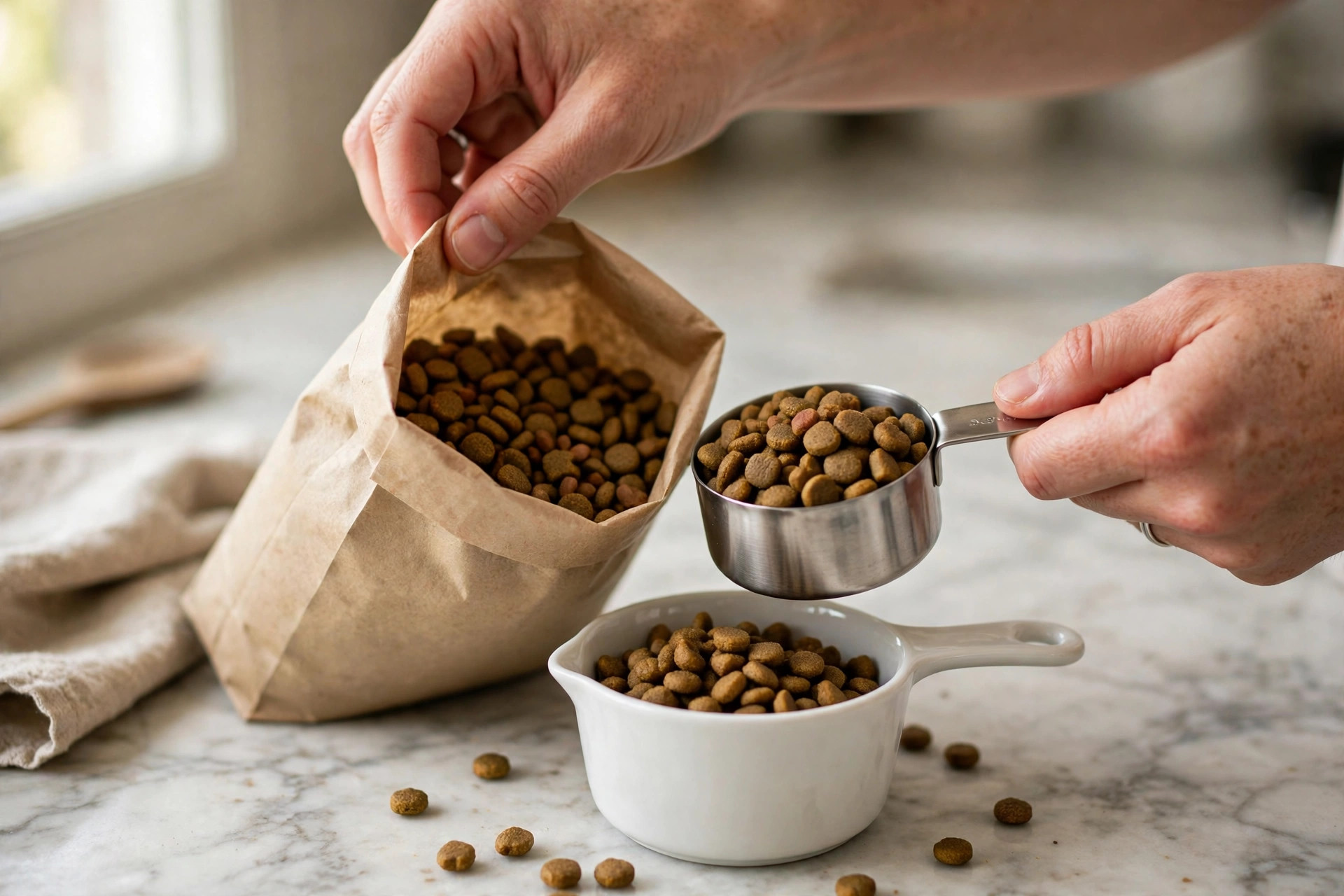
This sounds too simple to matter, but it is the most common reason of all. Many owners eyeball portions instead of measuring them, and most of us underestimate what a full day of food looks like. A typical indoor adult cat needs roughly 200 to 250 calories a day, and that number shifts with age, weight, and activity. Guessing can leave your cat 20 or 30 percent short, enough to trigger round the clock begging. For a baseline routine, see our guide on how often you should feed a cat.
2. The food is low in calories or weak on protein
Cats are obligate carnivores, built to run on animal protein and fat, not filler. A food heavy on grains and light on meat can fill the stomach for an hour and leave your cat hungry again fast. The same applies to diet formulas: if your cat is on reduced calorie food for weight loss, constant begging may mean the plan needs a vet supervised tweak. Our roundup of the best cat foods for weight loss focuses on options that keep cats satisfied, and these cat food options for picky cats can smooth the switch.
3. Begging is a habit you accidentally trained
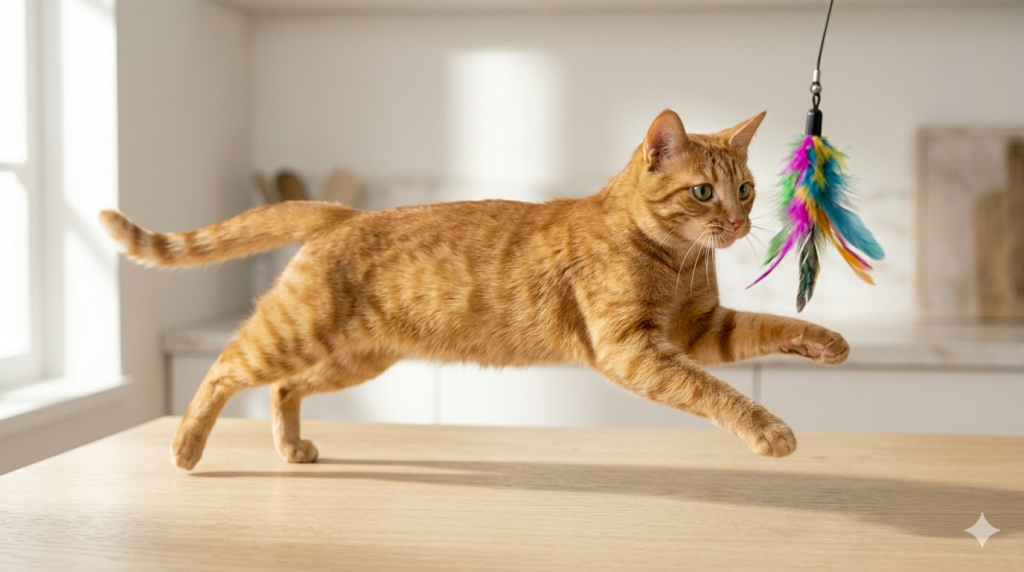
Cats are excellent students of human behavior. If meowing in the kitchen has ever earned a treat or a top up, your cat learned that lesson perfectly. Boredom feeds into it too: an indoor cat with little to do between naps often turns to the bowl for entertainment. Try splitting the same daily food into smaller meals, add a puzzle feeder so meals take effort, and play before bedtime. Pure habit begging usually fades within a couple of weeks once the payoff stops.
4. Another cat is eating the share
In multi cat homes, one confident eater can quietly steal from a shy one. You fill two bowls, but one cat eats from both while the other begs you for more. Watch one full meal, then separate feeding stations into different rooms to solve it.
The fix that helps every feeding reason: measure food with a real measuring cup for one week and track weight on a kitchen scale. You will either find the shortfall or walk into the vet’s office with real numbers.
5 medical reasons behind constant hunger
If portions are right, the food is solid, and the begging is new or getting worse, look at what is happening inside your cat. These are the conditions vets check when a cat eats more but stays hungry.
5. Hyperthyroidism
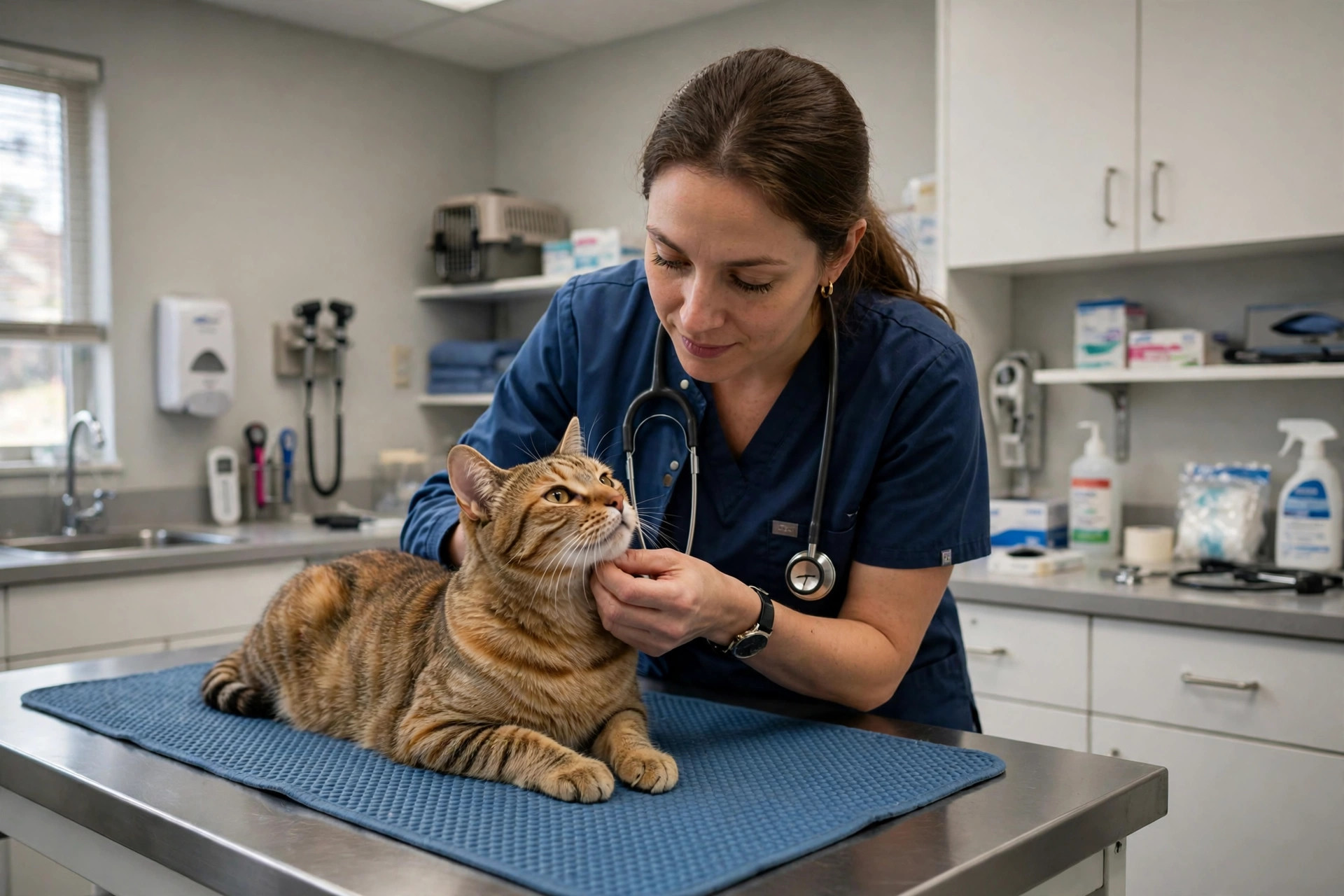
The classic cause in older cats. A benign growth on the thyroid gland pushes thyroid hormone up, cranking the metabolism into overdrive. The cat burns calories so fast it feels starving no matter how much it eats. Warning signs: noticeable weight loss despite a bigger appetite, a scruffy coat, restlessness, and a racing heartbeat your vet can feel. Very common in cats over 10, and a simple blood test diagnoses it.
6. Diabetes
In diabetes, the body cannot move sugar from the blood into the cells, so the cells are effectively starving while sugar piles up in the bloodstream, and the brain keeps sending hunger signals. Warning signs: drinking much more water, urinating more, weight loss despite eating more, and back leg weakness in later stages. Overweight, middle aged cats are at highest risk, and it is manageable once caught.
7. Intestinal parasites
Worms and other parasites steal nutrients from the food your cat eats, so your cat can eat a full diet and still feel underfed. Kittens and outdoor cats are the most likely candidates, but indoor cats are not immune. Warning signs: a bloated belly on a thin body, diarrhea, a dull coat, and visible worms near the tail. A fecal test confirms it and treatment is straightforward.
8. Poor absorption from gut disease
Sometimes food goes in and comes out without doing its job. Inflammatory bowel disease and other gut conditions can damage the intestinal lining so nutrients pass through unabsorbed. The cat eats and eats because the body keeps reporting that nothing arrived. Warning signs: chronic vomiting or diarrhea, weight loss, and a rumbling belly. Diagnosis often starts with diet trials and bloodwork.
9. Medication side effects
Steroids like prednisolone and some other drugs are well known appetite boosters in cats. If the hunger started within days of a new prescription, the drug is the prime suspect. Do not stop the medication on your own, but call your vet, who may adjust the dose or timing.
When constant hunger is an emergency
Most hungry cats can wait for a regular appointment. Call your vet promptly, or go to an emergency clinic, if the hunger comes with any of these:
- Weight loss even though your cat is eating more than before
- Vomiting or diarrhea that lasts more than a day or keeps coming back
- Drinking far more water than usual or urinating much more
- Lethargy, hiding, or a sudden change in personality
- A bloated belly, labored breathing, or visible worms
A huge appetite plus dropping weight is the single biggest red flag. A healthy cat that eats more should gain weight. If the scale goes the other way, something is burning or wasting those calories and your vet needs to find it.
What your vet will actually do
Knowing what happens at the appointment makes it less stressful. Here is the usual workup:
- Weight history: the vet compares today’s weight to past visits. A slow downward trend often cracks the case.
- Diet review: bring the exact food brand and how much you feed per day. A photo of the bag helps.
- Bloodwork: a senior panel checks thyroid levels, blood sugar, and kidney values in one draw.
- Fecal test: a small stool sample screens for parasites, quickly and cheaply.
- Physical exam: feeling the thyroid gland, listening to the heart, and checking body condition.
Frequently asked questions
Why is my cat always hungry but losing weight?
Eating more while losing weight points to a medical cause: hyperthyroidism in older cats, diabetes, parasites, or an absorption problem. Book a vet visit soon rather than waiting.
Should I just feed my cat more if they keep begging?
Check the basics first. Measure a good quality food for a week before adding meals; extra food on top of a full diet can make a healthy cat obese. If your cat is still frantic on measured portions, rule out medical causes first.
Why is my older cat suddenly hungry all the time?
A sudden appetite increase in a senior cat is one of the most common early signs of hyperthyroidism, with diabetes the other usual suspect. Any appetite change over days or weeks in a cat over 10 is worth a checkup and a thyroid blood test.
Do worms make cats hungry?
Yes. Intestinal parasites absorb nutrients from your cat’s food before your cat can use them, leaving the cat genuinely undernourished and hungry. Weight loss, a bloated belly, diarrhea, or visible worms near the tail are the usual companions. A fecal test confirms it and deworming is simple.
Why does my cat beg for food right after eating?
Usually learned behavior, boredom, or a food that does not satisfy. Try puzzle feeders, scheduled play, and splitting food into smaller meals across the day. If the behavior is brand new or paired with weight loss, vomiting, or extra thirst, get a vet check instead of retraining.
The bottom line: a cat that never seems full is telling you something, usually a simple story about portions, food quality, or habit. When it is not simple, the medical causes are well understood and very often treatable. Measure the food, watch for the warning signs, and let your vet decide what the hunger means.