The Feline Feeding Philosophy: Beyond the Bowl

If you have ever lived with a cat, you know they are the undisputed masters of the household schedule. They know exactly when the sun hits the carpet, when you are likely to pick up your keys, and—most importantly—exactly when the clock strikes “dinner time.” But for many owners, the question of how often to feed a cat remains a source of confusion. Is once a day enough? Is a bottomless bowl of kibble a recipe for disaster?
Feeding a cat is not merely a chore; it is the most significant health intervention you perform every single day. The rhythm of a cat’s meals dictates their metabolism, their energy levels, and even their behavioral stability. Whether you are navigating the high-energy demands of a new kitten or the delicate requirements of a senior companion, understanding the “why” behind feeding frequencies is the key to a long, vibrant life together.
1. The Biological Blueprint: Why Cats Eat the Way They Do
To answer the question of how often you should feed a cat, we must first look at their evolutionary history. Domestic cats are descended from the Near Eastern wildcat, a solitary hunter that survived on small, frequent catches throughout the day and night.

The Ping-Pong Ball Stomach
A cat’s stomach is roughly the size of a ping-pong ball. It is not designed to stretch significantly to accommodate one large daily meal, as a dog’s stomach might. In the wild, a cat might hunt and eat eight to twelve small meals in a 24-hour period. When we try to force them into a human-centric schedule of one or two large meals, we often run into digestive issues or behavioral stress.
The Metabolic Engine
Cats are obligate carnivores with a metabolism geared toward constant protein processing. Their bodies are “always on,” ready to hunt. Frequent, smaller meals help keep their blood sugar levels stable and prevent the lethargy that often follows a massive meal.
2. Feeding Schedules by Life Stage
As a cat moves through the different stages of life, their caloric needs and the frequency of their meals must shift to match their physiological development.
The Kitten Phase: High-Octane Growth (0–12 Months)
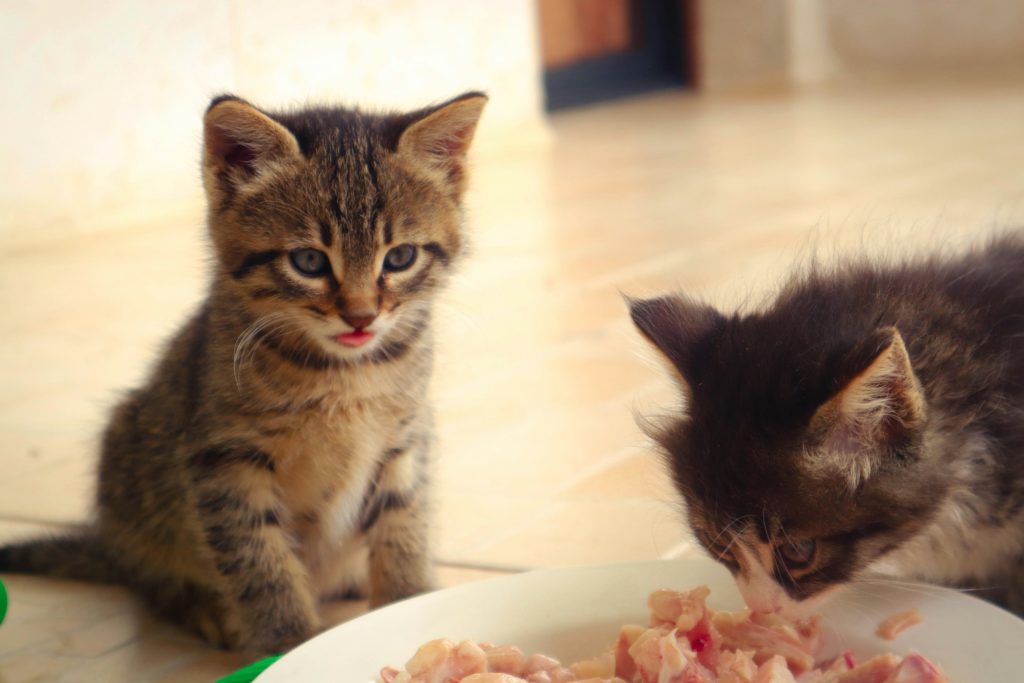
Kittens are essentially tiny, furry athletes. They are building bone, muscle, and brain tissue at a frantic pace.
- Frequency: 3 to 5 meals per day.
- The Necessity: Because their stomachs are so small, they cannot take in all the calories they need in just two sittings. Spreading their food out ensures they have a steady stream of energy for growth and play.
The Adult Phase: Maintenance and Balance (1–7 Years)

Once a cat reaches physical maturity, the focus shifts from growth to maintenance.
- Frequency: 2 to 3 meals per day.
- The Strategy: Two meals (morning and evening) is the standard for most households in the USA and UK. However, many feline behaviorists suggest that three smaller meals can help reduce “food begging” behavior and keep the cat more satisfied throughout the day.
The Senior Years: Specialized Support (7+ Years)
As cats age, their digestive efficiency can decrease. They may also develop health conditions like kidney disease or hyperthyroidism.
- Frequency: Small, frequent, highly digestible meals.
- The Goal: Senior cats often have a diminished sense of smell and taste. Fresh, frequent offerings of wet food can encourage them to stay hydrated and maintain their muscle mass.
3. Wet Food vs. Dry Kibble: Does Type Dictate Timing?
One of the most debated topics in feline nutrition is the choice between wet and dry food. This choice directly impacts how often you should feed a cat.
Wet Food: The Hydration Hero
Wet food is widely considered the superior choice for kidney and urinary tract health because of its high moisture content.
- Timing: Wet food should not sit in a bowl for more than 1–2 hours. Bacteria thrive in a moist environment, and once the food becomes crusty, most cats will refuse to touch it.
- Scheduling: If you feed wet food, you are committed to a strict schedule where you serve the meal fresh at specific intervals.
Dry Kibble: The Convenience Choice
Dry food is undeniably easier for the busy modern owner, but it comes with risks if not managed correctly.
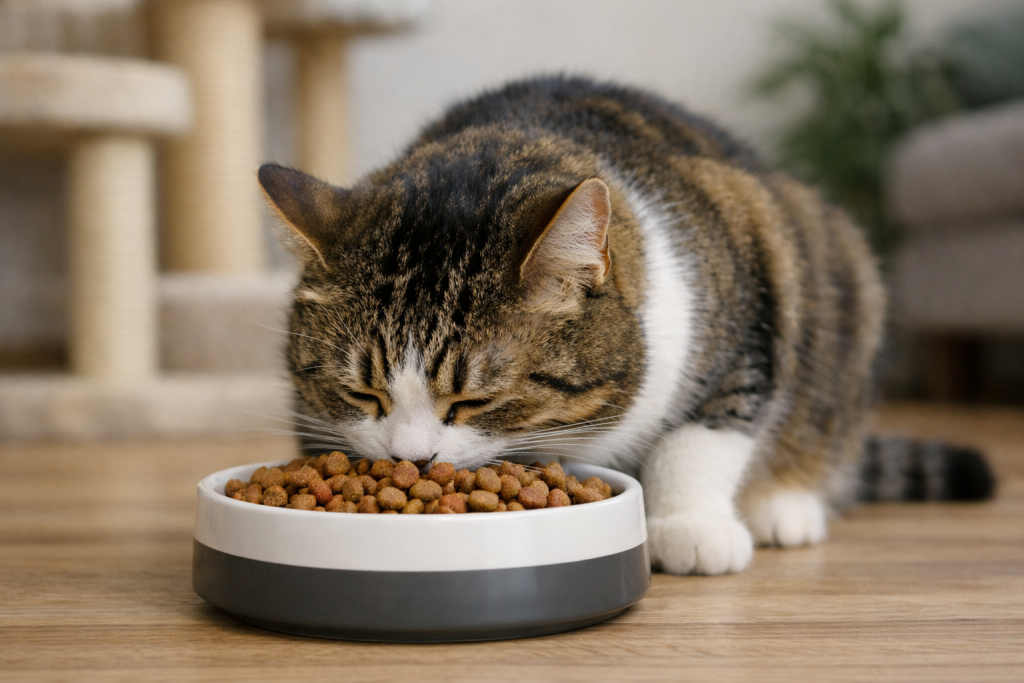
- The Danger: While it is tempting to leave a bowl out all day (free-feeding), this is the primary driver of feline obesity.
- The Solution: Use dry food in measured amounts dispensed by an automatic feeder or hidden in “puzzle toys” to encourage natural foraging behavior.
4. The Pitfalls of Free Feeding
Free feeding is the practice of keeping a bowl of dry food constantly available. While it seems convenient, it often results in several health and behavioral problems.
- Obesity: Without a “stop” signal, many cats eat out of boredom. In the USA and UK, over 50% of domestic cats are considered overweight or obese.
- Multi-Cat Conflict: In multi-cat households, the “alpha” cat may guard the food bowl, causing stress and under-nutrition for more submissive cats.
- Masking Illness: When food is always available, it is difficult to notice if a cat’s appetite has decreased, which is often the first clinical sign of illness.
5. Environmental Enrichment: The “Work for Food” Concept

In the wild, a cat spends a large portion of their waking hours searching for food. When we place a bowl on the floor, we remove that mental stimulation.
To optimize how often you should feed a cat, consider splitting their daily allowance into several small portions hidden around the house. This mimics the “hunt-eat-groom-sleep” cycle that is hardwired into their DNA. This not only keeps them physically fit but also prevents boredom-induced behaviors like scratching furniture or excessive vocalization.
6. How to Transition to a New Feeding Schedule
If you have been free-feeding and want to switch to a structured schedule, do not do it abruptly.
- Measure Intake: Determine the total amount of food your cat actually needs per day based on their weight.
- Divide Portions: Split that amount into 3 or 4 portions.
- Set Times: Establish specific times for meals. If the cat doesn’t eat within 30 minutes, pick the food up.
- Consistency: Your cat will quickly learn the new routine. The begging may increase initially, but it will settle once they realize that food is guaranteed at specific times.
7. Special Considerations for Health Conditions
Certain medical diagnoses will require you to adjust the standard feeding rules.
- Diabetes: Diabetic cats often need meals timed precisely with their insulin injections to prevent dangerous blood sugar crashes.
- Hyperthyroidism: These cats have a racing metabolism and may need significantly more calories and more frequent feedings to prevent weight loss.
- Kidney Disease: Small, frequent feedings of high-moisture food can help manage the nausea that often accompanies renal issues.
8. The Impact of Seasonality and Activity
Environmental factors still play a role in a cat’s hunger levels.
- Temperature: In colder climates, cats may naturally feel hungrier in the winter as their bodies work harder to maintain core temperature.
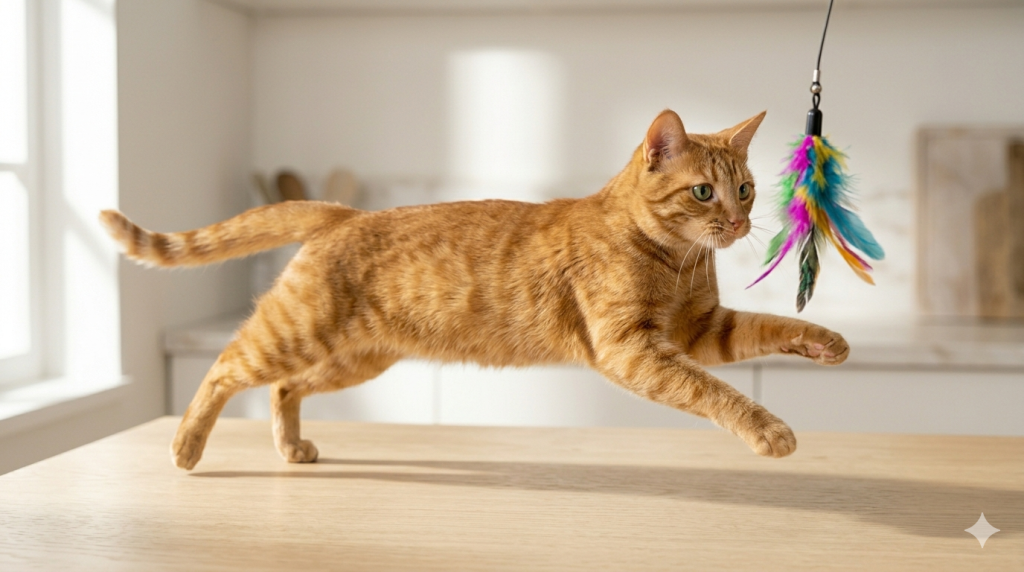
- Playtime: If you have a high-intensity play session with your cat in the evening, they will likely need a small “recovery” meal afterward to prevent a midnight hunger surge.
9. Understanding Whisker Fatigue

If your cat seems hungry but keeps walking away from a full bowl, they might be suffering from “whisker fatigue.” A cat’s whiskers are sensitive sensory organs. Pushing their face into a deep, narrow bowl can be overstimulating and painful.
- The Solution: Use wide, shallow dishes or even a flat plate for their meals. This allows them to eat comfortably without their whiskers touching the sides.
Conclusion: The Roadmap to a Healthy Feline
Deciding how often you should feed a cat is a personal choice that must be balanced with your cat’s biological needs. While twice a day is the minimum, providing three or four smaller, scheduled meals is often the “gold standard” for mimicking their natural hunting patterns and maintaining a healthy weight.
By moving away from the convenience of a bottomless bowl and toward a thoughtful, measured routine, you are doing more than just feeding a pet—you are ensuring that your cat remains agile, alert, and happy for years to come.
10. Frequently Asked Questions (FAQs)
1. Is it okay to feed my cat only once a day?
Technically, an adult cat can survive on one meal, but it is not ideal. Long periods of fasting can cause the stomach to produce excess acid, leading to “hunger pukes.” Two to three meals are much better for their digestive comfort.
2. Can I give my cat “people food” as a meal replacement?
No. Cats require specific nutrients, such as taurine, that are not found in human-grade chicken or fish alone. Always ensure at least 90% of their diet comes from a balanced feline-specific food.
3. What should I do if my cat refuses to eat a new scheduled meal?
If they miss one meal, they will likely be hungry enough for the next one. However, if a cat refuses food for more than 24 hours, contact a vet immediately, as cats are prone to liver issues when they stop eating.
4. How do I know if I am feeding the right amount?
Use the “Body Condition Score.” You should be able to feel your cat’s ribs with light pressure, and they should have a visible waist when viewed from above.
5. Does the breed of the cat affect feeding frequency?
Large breeds like Maine Coons may take up to four years to reach full maturity, meaning they might need frequent feeding for a longer period than a standard domestic shorthair.