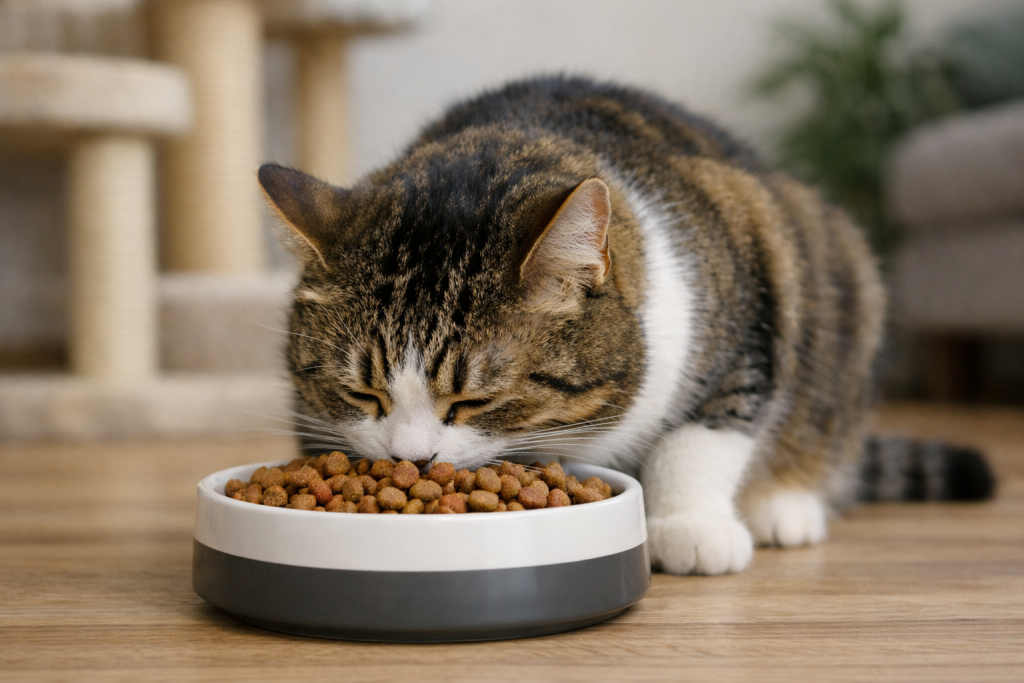
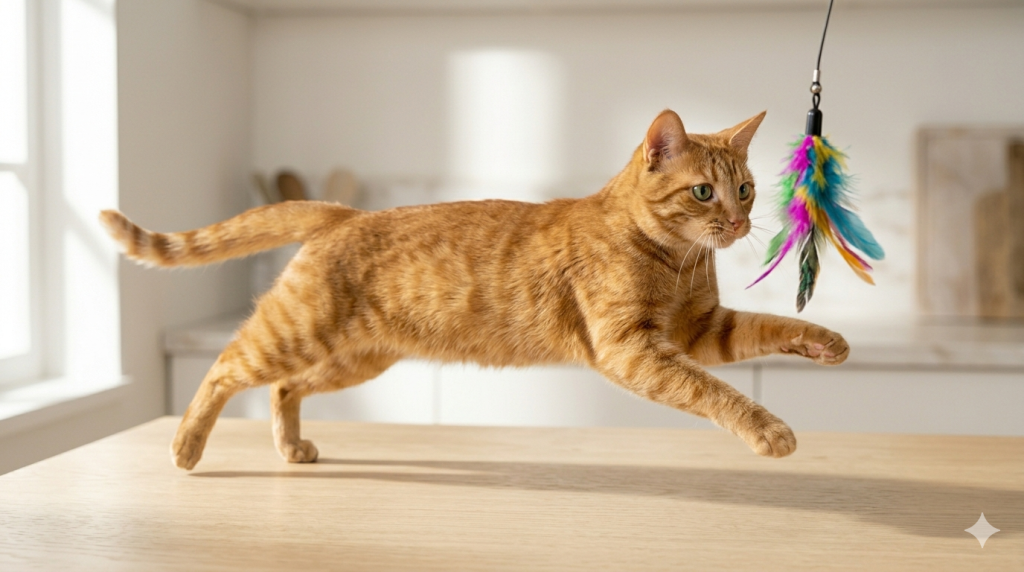
Indoor cats often live safer and more relaxed lives compared to outdoor cats, but their lifestyle also means they have different dietary needs. Because they stay inside most of the time, they usually get less physical activity and burn fewer calories. Without the right type of diet, indoor cats may gain weight quickly or develop digestive problems.
Choosing the best cat food for indoor cats is an important part of keeping your pet healthy. A balanced diet supports proper digestion, maintains a healthy body weight, and helps your cat stay energetic throughout the day.
If the wide variety of cat food products at pet stores feels confusing, you’re not alone. This guide will help you understand what indoor cats need in their diet and how to choose the most suitable food.
Why Indoor Cats Need Special Cat Food
Indoor cats live a very different lifestyle compared to cats that spend time outdoors. They usually sleep longer, hunt less, and move around less during the day.
Because of this lifestyle, indoor cats benefit from food that:
- Contains controlled calories
- Helps manage body weight
- Supports healthy digestion
- Reduces hairball formation
- Promotes healthy skin and a shiny coat
The best cat food for indoor cats is specially formulated to match these needs. It provides balanced nutrition while helping prevent common problems such as obesity and digestive discomfort.
Essential Nutrients Indoor Cats Need
Not all cat foods offer the same nutritional value. Understanding which nutrients are important can help you make a better choice when selecting food for your pet.
1. High-Quality Protein
Cats are natural carnivores, which means their bodies rely heavily on protein from animal sources.
Healthy protein options include:
- Chicken
- Turkey
- Salmon
- Tuna
- Beef
Protein helps maintain strong muscles and supports your cat’s overall health. In high-quality cat food, real meat should usually appear as the first ingredient on the label.
2. Balanced Calorie Levels
Since indoor cats are generally less active, they require food with controlled calorie levels. Excess calories can easily lead to weight gain and increase the risk of health problems.
Many indoor cat formulas are designed to help maintain an ideal body weight.
3. Fiber for Healthy Digestion
Indoor cats groom themselves regularly, which often leads to swallowing loose fur. This fur can accumulate in the stomach and form hairballs.
Cat foods that contain fiber help move hair through the digestive system more efficiently, reducing hairball issues.
4. Healthy Fats for Skin and Coat
Fats provide an important source of energy for cats. Ingredients that contain omega-3 and omega-6 fatty acids help maintain healthy skin and support a soft, shiny coat.
These nutrients also contribute to brain health and overall well-being.
5. Essential Vitamins and Minerals
A nutritious indoor cat diet should include several important vitamins and minerals, such as:
- Vitamin A
- Vitamin E
- Taurine
- Calcium
Taurine is especially important because cats cannot produce enough of it naturally. This nutrient plays a key role in maintaining healthy vision, heart function, and normal growth.
Wet vs. Dry Cat Food: Which Option Is Better?
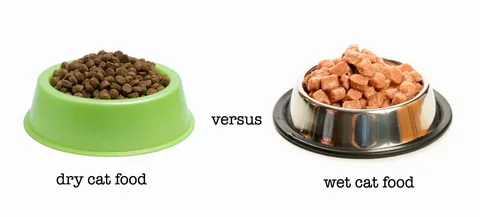
Many cat owners wonder whether wet food or dry food is the better choice. In reality, both types of food have advantages.
Dry Cat Food
Dry food is a popular option because it is convenient and easy to store.
Benefits include:
- Longer shelf life
- Simple storage
- Often more affordable
- Can help support dental health
Moreover, a few dry foods may contain broader levels of carbohydrates.
Wet Cat Food
Wet cat food contains significantly more moisture than dry food.
Its benefits include
- Helps maintain proper hydration
- Often contains higher protein levels
- Easier for some cats to digest
Many veterinarians suggest feeding a combination of wet and dry food to provide a balanced and varied diet.
Tips for Choosing the Best Cat Food for Indoor Cats
When selecting cat food, the ingredient list provides valuable information about its quality.
Here are several helpful tips to guide your decision.
Choose Real Meat as the First Ingredient
High-quality cat food typically lists a real animal protein source, such as chicken, fish, or turkey, as the first ingredient.
Avoid Low-Quality Fillers
Some inexpensive cat foods contain fillers that provide calories but very little nutritional value.
Common fillers include:
- Corn
- Wheat
- Soy
Higher-quality foods focus more on protein-rich ingredients.
Avoid Artificial Additives
Artificial colors, flavors, and preservatives do not provide any health benefits for cats. Foods made with natural ingredients are generally a better choice.
Choose Food Based on Life Stage
Cats require different nutrients depending on their age.
- Kittens need extra protein and calories for growth
- Adult cats require balanced nutrition
- Senior cats may benefit from food that supports joint health and easier digestion
Selecting the right formula ensures your cat receives appropriate nutrition.
Signs Your Cat Is Eating the Best Food
How can you tell if you’ve chosen the best cat food for indoor cats?
Your cat’s overall condition usually provides the answer.
Healthy signs include:
- Maintaining a healthy body weight
- A smooth, shiny coat
- Consistent energy levels
- Normal digestion
- Reduced hairball issues
If your cat frequently vomits, has digestive problems, or experiences sudden weight changes, it may be worth reassessing their diet.

Feeding Tips for Indoor Cats
Choosing the right food is important, but proper feeding habits are equally essential.
Monitor Portion Sizes
Overfeeding is a natural cause of weight gain in indoor cats. Always follow the recommended serving sizes provided on the food packaging.
Feed at Scheduled Times
Rather than leaving food available all day, try feeding your cat at regular times. This helps control calorie intake and maintain a routine.
Encourage Physical Activity
Indoor cats benefit from daily play and movement.
You can help keep them active with:
- Interactive toys
- Climbing trees or towers
- Puzzle feeders
Regular activity supports healthy weight management.
Always Provide Fresh Water
Cats sometimes drink less water than they should. Fresh, clean water should always be available to prevent dehydration and support kidney health.
Common Feeding Mistakes Cat Owners Make
Even caring pet owners can occasionally make mistakes when feeding their cats.
Some common issues include:
- Giving too many treats
- Changing food too quickly
- Choosing food based only on price
- Ignoring ingredient quality
When introducing a new food, transition gradually over 7 to 10 days to help prevent digestive upset.
Expert Advice on Cat Nutrition
Veterinary professionals consistently emphasize the importance of balanced nutrition for pets. Organizations like the American Veterinary Medical Association recommend choosing foods that meet nutritional standards established by the Association of American Feed Control Officials.
Cat foods that meet these standards are formulated to provide complete and balanced nutrition.
Internal Linking Suggestions
To improve SEO performance, consider linking this article to related content on your website, such as:
- Best wet cat food for sensitive stomachs
- Dry vs wet cat food comparison
- Healthy treats for indoor cats
- Complete kitten feeding guide
Internal links make navigation easier for readers and help search engines better understand your website’s structure.
External Reference Suggestions
For additional credibility, you may reference trusted resources such as:
- Veterinary nutrition research
- Pet health organizations
- Veterinary school studies
These references help strengthen the authority and reliability of your content.
FAQs
What is the right food for indoor cats?
The best option typically includes high-quality animal protein, moderate calorie levels, and added fiber. Many owners feed both wet and dry food to maintain a balanced diet.
What is the recommended feeding schedule for an indoor cat?
Most adult indoor cats do well with a couple of meals per day. However, the exact portion size should depend on the cat’s weight and activity level.
Is dry food suitable for indoor cats?
Dry food can be part of a healthy diet if it contains quality ingredients. Adding wet food can help improve hydration and provide additional nutrients.
Do indoor cats need special formulas?
Yes. Indoor cat formulas are usually designed with lower calories and higher fiber to help manage weight and reduce hairballs.
Can indoor cats eat the same food as outdoor cats?
While they can eat the same food, formulas designed for indoor cats are often better suited to their lower activity levels.
Conclusion
Choosing the best cat food for indoor cats plays an important role in your pet’s long-term health and happiness. The right diet supports healthy digestion, helps maintain an ideal weight, and keeps your cat active.
Look for foods made with real meat, balanced nutrients, and high-quality ingredients. Combine this with proper feeding routines and regular playtime to ensure your indoor cat thrives.
Your cat depends on you for its well-being, and providing the right nutrition is one of the best ways to keep it healthy.