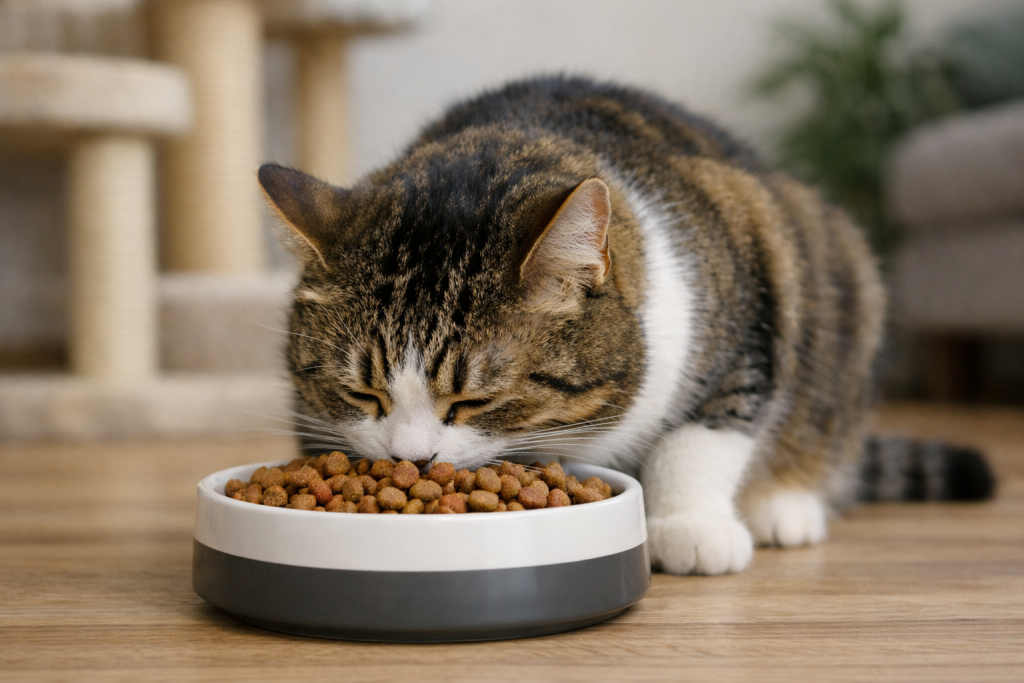
Palatability and overall tastiness are major considerations when manufacturers formulate modern pet food diets. In fact, many commercial pet food brands undergo extensive laboratory and home palatability testing before they are ever approved to be sold to the general public. Even with all of this scientific preparation, some cats can still be incredibly stubborn when it comes to their daily meals. Finding the absolute best cat food for picky cats that an animal will eat consistently can easily become an exhausting and stressful challenge for any dedicated pet owner.
If your favorite feline companion is consistently turning up their nose at the food bowl or walking away from fresh meals, there are several distinct factors you need to investigate. Figuring out how to navigate a stubborn feline’s appetite requires a balance of medical history checking, behavioral training, and strategic product selection. Let us dive deep into a comprehensive, step-by-step guide designed to help you identify the root cause of your pet’s stubborn behavior and find a concrete nutritional solution they will truly love.
1. Is There an Underlying Medical Condition?
Before your pet is officially deemed a fussy eater due to an attitude problem, an important first step is ruling out an underlying medical cause with the help of your veterinary care team. A sudden or progressive loss of interest in meals is very often the very first indicator of a hidden illness. Cats are naturally built to hide physical weakness, which means a sudden refusal to eat should always be taken seriously. There are several common medical conditions that may severely impact your cat’s appetite and make them reject their regular meals.
Dental disease is a highly prevalent condition that can be incredibly painful, quickly leading to a situation where a cat simply does not want to chew or swallow food. Severe dental disease can easily develop entirely below the gumline and meaning it remains completely invisible to the naked eye during a casual check at home. Even if your feline’s teeth look perfectly white and healthy on the surface, a professional oral exam under vet supervision is a smart idea.
Kidney disease is another major systemic issue to watch out for. Progressive elevations in vital kidney values, such as blood urea nitrogen and creatinine and can make your cat feel constantly nauseous and unwell, which directly destroys their daily appetite. Alternatively, your pet might be suffering from a foreign body blockage or other severe gastrointestinal upset. If your cat accidentally ate a piece of string, plastic, or another household item they shouldn’t have, it could be physically blocking the safe movement of food through the intestinal tract.
Furthermore, chronic conditions like arthritis can disrupt feeding schedules. If your cat is a senior and is experiencing pain from arthritis, it may be too uncomfortable or painful for them to get up and walk to the food dish as often as they should. Finally, a condition known as hepatic lipidosis—also commonly referred to as fatty liver disease—is a life-threatening illness that most commonly occurs in overweight or obese cats that suddenly stop eating for several days. A thorough physical exam, along with diagnostic tools such as bloodwork, urinalysis, a fecal exam, and dental X-rays, can rule out these potential underlying causes.

2. Is Your Cat Consuming Too Many Calories?
Though it is not always the case, it is incredibly common for picky cats to also be slightly or even significantly overweight. In these specific scenarios, it is highly possible that the cat is simply being overfed throughout the day and is therefore not eating as much at mealtime because she is completely full.
Your regular veterinary care team can help you accurately determine your cat’s exact calorie needs per day based on their current weight, body condition score, life stage, and daily activity level. Once you have that target number, they can instruct you on an appropriate daily food portion depending on the precise energy and calorie content of the specific diet you choose.
If you are not entirely sure of how many total calories your cat is currently consuming on a regular basis, you should keep a highly detailed food diary for a period of 3 to 5 days. Be sure to record absolutely everything that goes into your cat’s mouth, including training treats, dental snacks, table scraps, and any specific foods used to hide required medications. Your veterinary care team can then accurately assess your cat’s total calorie intake based on this detailed, real-world data.
3. Behavioral Factors and Flavor Preferences
You may have inadvertently created a fussy eater yourself by taking advantage of the massive variety of commercial pet products available on shelves today. The modern pet care market offers an overwhelming selection of different kibble flavors, unique dry shapes, varying sizes, and different textures of canned foods. Between pouches of semi-moist food and freshly packaged raw meals in the refrigerator section, the choices are endless. For some specific animals, too much of a good thing can lead to them learning to hold out for their absolute favorites.
However, some felines do possess highly specific genetic preferences for certain textures or distinct flavors. In fact, numerous scientific studies have analyzed the exact way domestic felines consume food and have modified kibble shapes, structural densities, and moisture levels based on those precise findings. For these specific animals, once you successfully identify the exact formulation they prefer, you should stick with that exact option to maintain long-term dietary consistency.
For the semi-moist and canned food consumers, it is best to offer very small amounts of fresh food at a time so it does not dry out. For a cat who is perfectly willing to eat dry food, but simply prefers not to eat all of it at once, it is completely reasonable to measure out the entire day’s required portion all at once first thing in the morning. Dry kibble will not spoil throughout the day, provided that other pets in the home do not have open access to the dish. Yet another great option is to use a high-quality wet formulation as a flavor-enhancing top dressing on top of their dry kibble. Many canned foods feature a rich gravy component that can significantly increase a cat’s interest at mealtime. If you find a winning combination, you can search for the healthiest cat food for picky cats that matches that specific texture profile.
4. Should You Feed a Homemade Diet?
While some individual pets clearly prefer the unique texture and fresh taste of a freshly prepared homemade diet, there are several severe nutritional limitations and risks to carefully consider. An appropriate, scientifically formulated vitamin and mineral supplement must always be included with any long-term homemade diet. It is completely impossible to meet a domestic cat’s strict requirement for essential amino acids like taurine using human grocery store foods alone.
To safely make a homemade diet over a long period, you must strictly follow a precise recipe with specific, weighted amounts of each individual ingredient, including the essential supplements. Each specific food item possesses a completely unique nutrient profile, meaning ingredients can never be swapped or substituted on a whim. If you worry your pet will refuse to eat the exact same recipe every single day, a homemade strategy may not be the right choice for your household.
Most recipes for homemade feline diets found online have not been designed by certified nutritionists or veterinary professionals. These amateur online recipes have been repeatedly proven to be severely deficient in one or more essential, life-sustaining nutrients. If you choose to feed a homemade diet, you should always ask your primary veterinarian for direct guidance and request a formal referral to a board-certified veterinary nutritionist. Until then, sticking to a commercial cat food for picky cats is the safest way to ensure they get balanced nutrition.

5. Smart Tips for Managing Picky Eaters
If your cat truly is a picky eater with a completely clean bill of physical health, some of the practical lifestyle suggestions listed below might help encourage their daily appetite. Implementing these adjustments requires discipline from the owner, but the results can completely transform your routine.
First, let your pet skip the occasional meal if they refuse to cooperate. Not all felines are intensely food-motivated, and it is completely okay for healthy adult cats to miss a single meal occasionally. If they are in overall good health, maintaining a normal body weight, passing healthy stools, and showing excellent energy levels, it is okay if they choose not to eat every single time food is presented. They might even display a significantly better appetite at the next scheduled feeding time simply because they are genuinely hungry.
Second, try offering food at highly specific times during the day and leave the food dish out only for short intervals of about 20 minutes, rather than providing constant, free access to food all day long. This limited access effectively trains your cat’s internal clock that food is only available for a short window, which naturally encourages them to eat promptly when the bowl hits the floor.
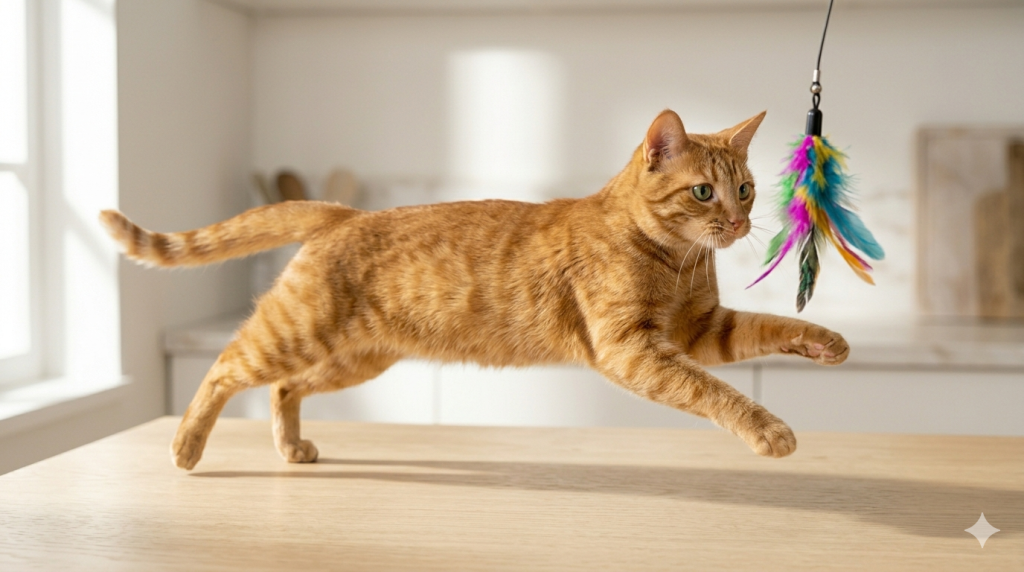
Third, make sure you know your cat’s estimated daily calorie requirement and the exact food portion you should be offering each day. Avoid feeding high-calorie commercial treats and fatty table snacks, which quickly ruin their appetite for balanced meals. You can also try feeding your cat from a mobile food puzzle or another type of interactive feeder. This method provides fantastic mental stimulation, burns energy, and makes mealtime feel like an exciting hunting game. Finally, increase the amount of physical exercise you do with your cat using feather wands or toys, and offer their cat food for picky cats immediately after the activity session ends to leverage their natural predatory drive.
You can also try utilizing healthy toppers or liquid enticements sparingly. These can include freeze-dried meats or specific human foods that hold an incredibly high value to your cat. These can be mixed directly into their regular formula to encourage them to start licking and chewing. Just ensure you choose food items that are entirely safe, and that you are sticking strictly to your cat’s daily calorie allotment. Total calories coming from treats, mixers, and toppers should never make up more than 10% of your cat’s total daily calorie intake. Finding a premium cat food for picky cats and pairing it with a disciplined routine is the absolute best way to keep your pet healthy.
Conclusion
Managing a fussy feline requires a patient, structured approach that balances health checks with behavioral discipline. By systematically ruling out painful medical issues with your vet, controlling daily calorie intake, and establishing a predictable feeding schedule, you can eliminate mealtime anxiety. Once you find a high-quality, balanced cat food for picky cats that matches your pet’s preferred texture, stay consistent and avoid the temptation to constantly swap brands, ensuring your companion receives the complete nutrition they need to thrive.
Frequently Asked Questions (FAQs)
1. Why is my cat suddenly being picky with food?
A sudden change in eating habits is often a major warning sign of an underlying medical issue, such as dental pain, kidney disease, or gastrointestinal distress. If a cat suddenly refuses a cat food for picky cats that they previously enjoyed, you should schedule a veterinary checkup immediately to rule out illness.
2. What texture of cat food do picky cats prefer or not?
Feline preferences vary by individual, but many fussy cats are naturally drawn to wet foods that offer a highly pungent aroma and a rich gravy or sauce component. Other cats have a strict structural preference for specific shapes of dry kibble or a completely smooth pâté texture.
3. How long can a picky cat safely go without eating?
A cat should never go without consuming food for more than 24 to 48 hours. Doing so, especially for overweight or obese animals, puts them at an incredibly high risk for developing hepatic lipidosis (fatty liver disease), which is a life-threatening medical emergency.
4. Can I add human food to entice a picky cat?
Yes, but you must do so sparingly and only use entirely cat-safe ingredients. Unsalted chicken broth made without any onions or garlic, or plain, unseasoned boiled chicken breast, can be used as a top dressing. Still, these extras must never exceed 10% of their total daily caloric intake.
5. Does changing cat food brands frequently cause fussiness?
Yes, constantly offering new flavors and textures can inadvertently train your cat to reject regular meals. They quickly learn that holding out and refusing to eat results in a newer, more exciting option being opened for them. Stick to one high-quality cat food for picky cats for long-term success.