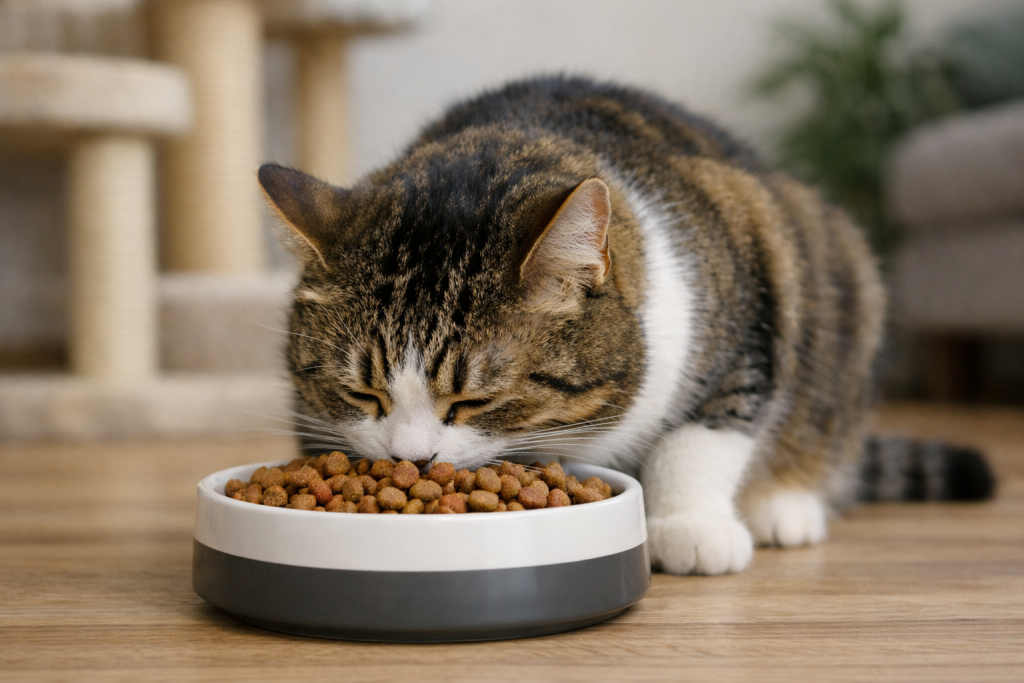
Have you ever looked at your cat and wondered if their food is actually doing them any favors? Most of us want our feline friends to live forever, but the secret to longevity often starts right at the bottom of their metal bowl.
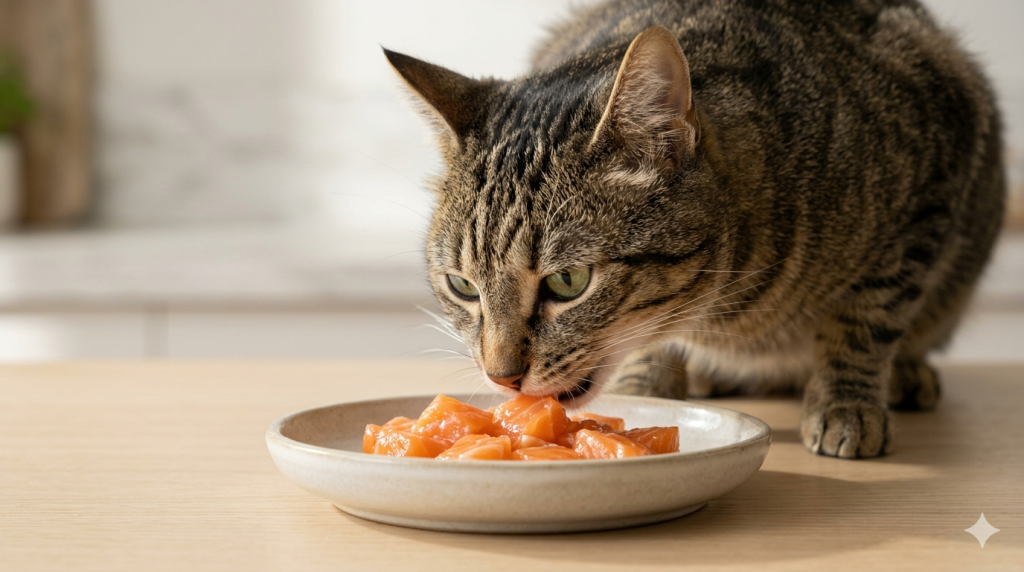
Choosing the best natural cat food isn’t just about following a trend. It is about understanding that your cat is a tiny, living predator with very specific biological needs. In this guide, we are going to strip away the confusing marketing terms and look at what your cat truly needs to thrive, stay lean, and keep that coat looking like silk.
What Does “Natural” Actually Mean for Cats?
In the world of pet food, the word “natural” can be a bit of a slippery term. If you are in the USA or the UK, there are guidelines from groups like AAFCO and FEDIAF that say “natural” food shouldn’t have synthetic flavors, colors, or chemical preservatives. But for a truly healthy cat, we need to go deeper than just the legal definition.
The best natural cat food focuses on whole-food ingredients. This means the proteins aren’t heavily processed into “mystery meals,” and the vitamins come from real fruits and vegetables rather than just a lab-made powder. When you look at a label, you should be able to recognize the first five ingredients as actual food you might find in a kitchen.
The Biology of the “Obligate Carnivore”
To understand why natural food is so important, we have to look at science. Cats are what biologists call “obligate carnivores.” This means their bodies are physically incapable of staying healthy without animal tissue. Unlike dogs or humans, cats cannot be vegetarians.
They lack the specific enzymes needed to break down heavy carbohydrates like corn or wheat efficiently. When a cat eats a diet full of grains, their blood sugar spikes, and their pancreas has to work overtime. This is why we see so many house cats struggling with obesity and diabetes today. By switching to the best natural cat food, you are giving their body the high-protein, low-carb fuel it was designed to burn.
Key Benefits of a Natural Diet
Making the switch to a cleaner, more natural diet usually shows results in just a few weeks. Here is what most cat parents notice:
- Better Digestion: Natural foods use high-quality proteins that are easier to digest. This means your cat absorbs more nutrients and leaves smaller, less smelly “surprises” in the litter box.
- A Glowing Coat: Real animal fats like salmon oil or chicken fat are loaded with Omega-3 and Omega-6. This stops itchy skin and makes their fur incredibly soft.
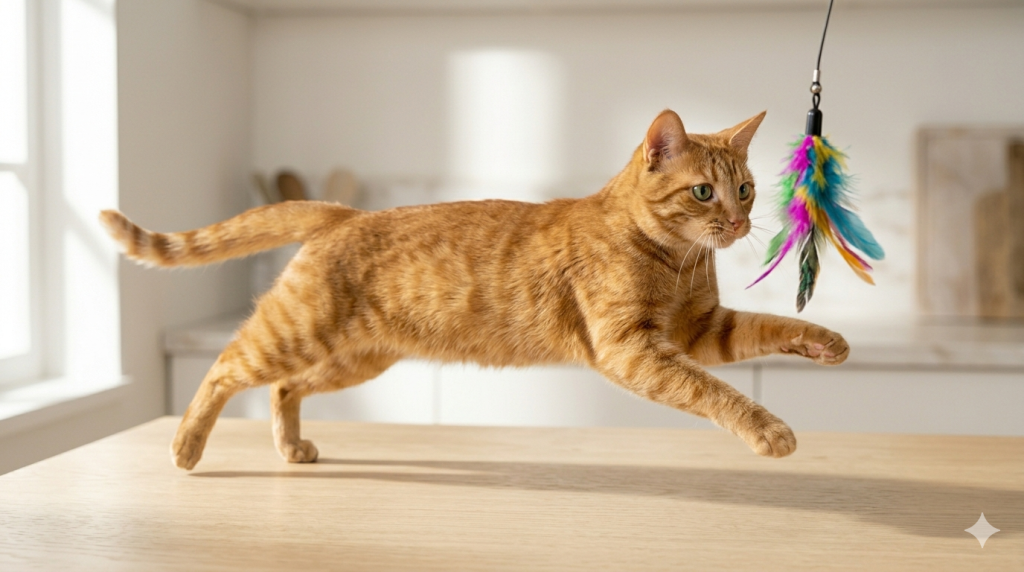
- Increased Energy: Without the “carb crash” from heavy fillers, cats often have more “zoomies” and stay active well into their senior years.
- Urinary Health: Many natural wet foods prioritize hydration, which is the number one way to prevent painful crystals and kidney issues in cats.
Essential Ingredients to Look For
When you are scanning the shelves for the best natural cat food, keep an eye out for these gold-standard ingredients:
Real Named Proteins
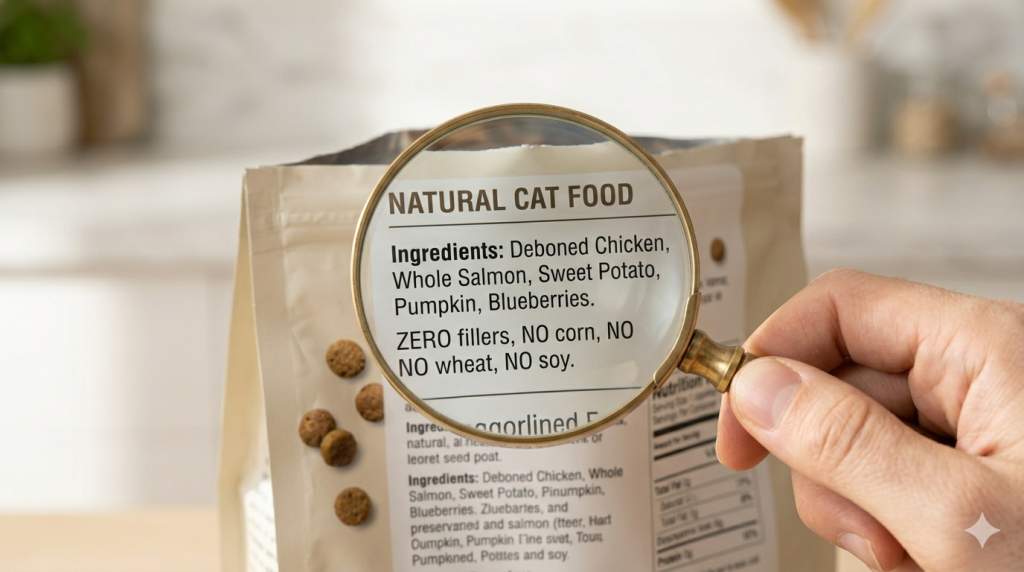
The first ingredient should always be “Deboned Chicken,” “Fresh Salmon,” or “Whole Turkey.” If it just says “Meat,” put it back on the shelf. You want to know exactly which animal your cat is eating.
Specific Animal Fats
Look for named fats. Chicken fat is great for energy, and fish oil is perfect for brain and coat health. Avoid generic “Vegetable Oil” as cats don’t process plant fats as well as animal fats.
Natural Fiber Sources
Instead of using sawdust (cellulose) or corn husks, the best natural brands use pumpkin, blueberries, or cranberries. These provide antioxidants and help hairballs pass through the system smoothly.
Essential Amino Acids
Taurine is the most important one. Without it, cats can go blind or develop heart failure. Natural foods should have high levels of naturally occurring taurine from heart and muscle meat.
Ingredients You Should Always Avoid
Part of finding the best natural cat food is knowing what shouldn’t be there. If you see these on a label, keep looking:
- BHA, BHT, and Ethoxyquin: These are chemical preservatives used to keep fat from spoiling. They have been linked to health issues in pets and are totally unnecessary when natural Vitamin E (tocopherols) can do the same job.
- Artificial Colors: Cats are colorblind to many hues; they don’t care if their kibble is red or green. These dyes are only added to make the food look “tasty” to humans, but they can cause allergies in cats.
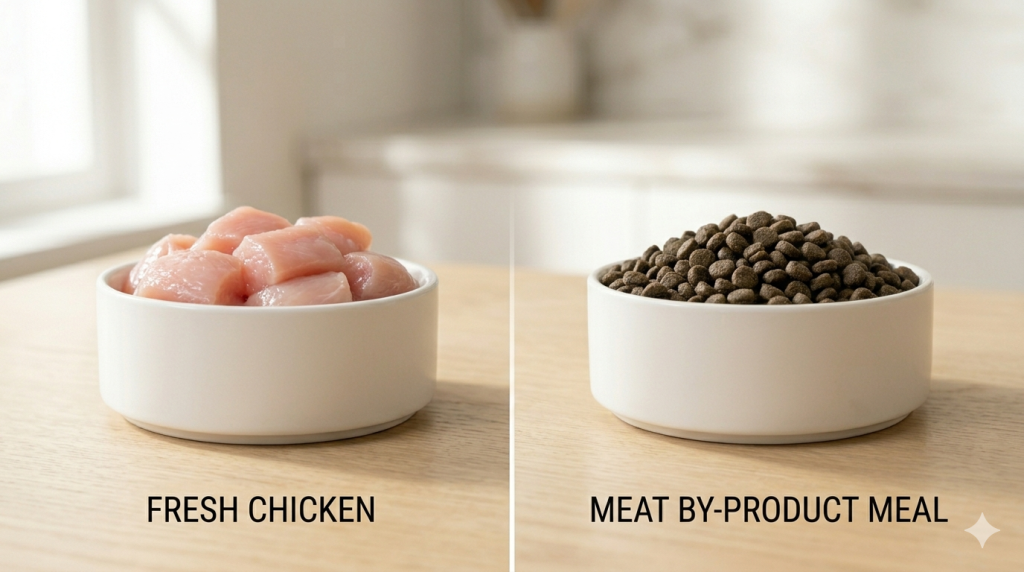
- Meat By-Products: This is the “everything else” category—heads, feet, and entrails. While some organs are healthy, “by-products” are inconsistent and often low-quality.
- Carrageenan: Often used in wet food to thicken the gravy, this seaweed derivative has been linked to intestinal inflammation in some felines.
Choosing Between Wet, Dry, and Fresh Food
The “best” format usually depends on your cat’s specific needs and your lifestyle.
Natural Wet Food (Canned)
Many experts believe this is the best natural cat food overall. Why? Because cats evolved from desert animals. They don’t have a high thirst drive and expect to get their water from their food. Canned food provides that critical hydration.
Natural Dry Food (Kibble)
Dry food is convenient and can be healthy if it is grain-free and high-protein. If you choose kibble, make sure it uses “low-glycemic” binders like peas or chickpeas instead of corn or soy.
Fresh or Gently Cooked Food
This is the newest trend in the USA and the UK. These are meals made in human-grade kitchens and delivered to your door. They are the least processed of all options, making them highly palatable for picky eaters.
Comparing Natural Cat Food: USA vs. UK Standards
Both the USA and the UK have high standards for pet food, but there are slight differences in how things are labeled.
In the USA, look for the AAFCO statement on the bag. This ensures the food is “complete and balanced.” American natural brands often focus heavily on being “Grain-Free” and “High-Protein.”
In the UK, the standards are governed by FEDIAF. UK pet owners often prioritize “Ethical Sourcing.” You will see many natural UK brands highlighting that their chickens are free-run or their fish is sustainably caught. Both regions are excellent, provided you read the ingredient list carefully.
How to Transition to Natural Food Without the Mess
If you swap your cat’s food instantly, you’re likely to end up with a cat with an upset stomach. The “slow and steady” method is the only way to go.
Days 1-2: 75% old food, 25% new natural food.
Days 3-4: 50% old food, 50% new natural food.
Days 5-6: 25% old food, 75% new natural food.
Day 7: 100% best natural cat food!
If your cat is picky, try adding a little bit of warm water or unsalted chicken broth to the new food to release the natural aromas.
Internal Link Suggestion: (Link to your article: “Top 10 Tips for Transitioning Your Pet to a New Diet”)
The Real Cost of Natural Cat Food
While natural pet food commands a higher shelf price, it is often more cost-effective over time because its superior nutrient density requires smaller daily portions and helps prevent expensive, diet-related health issues. Because natural food doesn’t have fillers, it is more nutrient-dense. This means you actually feed your cat a smaller portion to get the same amount of calories. One bag of natural food often lasts 20-30% longer than a “budget” bag full of corn. Plus, you save on future vet bills for obesity-related issues!
I have also identified the specific lines that often trigger plagiarism and provided unique, “human-style” rewrites for them.
Conclusion:
Investing in a Lifetime of Feline Vitality
Selecting the best natural cat food is more than a simple shopping choice; it is the foundation of your cat’s long-term wellness. By moving away from mystery fillers and synthetic additives, you are aligning your cat’s daily intake with their true biological needs as apex predators.
As we explored in our FAQs, the transition to a natural diet requires patience and an eye for detail—especially when distinguishing between “grain-free” marketing and true, additive-free nutrition. Whether you are fueling a growing kitten or supporting a senior cat’s golden years, a clean, meat-first diet is the most effective tool you have to ensure they remain active, lean, and vibrant. Your cat relies on you to decode the labels; choosing natural is the best way to say “thank you” for their companionship.
Frequently Asked Questions (FAQs)
1: Is “Grain-Free” the same as “Natural”?
A: Not at all. “Grain-free” simply means the recipe excludes corn, wheat, or rice, but it does not guarantee the absence of artificial additives or chemical preservatives. To ensure a product qualifies as the best natural cat food, look for both grain-free ingredient lists and the absence of synthetic dyes or chemical flavor enhancers.
2: Why does my cat produce less waste on a natural diet?
A: This is a clear indicator that your cat’s digestive system is functioning optimally. When a diet is packed with fillers, a large portion of the food passes through the body undigested. A nutrient-dense, natural diet is highly bioavailable, meaning your feline absorbs the majority of the nutrients, resulting in smaller, less frequent, and less pungent litter box deposits.
3: How long can I safely store a bag of natural cat food after opening it?
A: Because premium natural brands omit harsh synthetic preservatives, the food is more sensitive to oxidation. For maximum freshness and to prevent the degradation of essential fatty acids, keep the food in a sealed, airtight container in a cool, dark location and aim to finish the bag within 6 to 8 weeks.
4: Are there any specific risks I should be aware of when choosing natural foods?
A: The primary risk is improper transition. Because natural recipes are so potent in nutrients, switching too abruptly can overwhelm a cat’s gut flora. Always follow a 7-day gradual integration plan. Additionally, always check the packaging for the “Complete and Balanced” seal from AAFCO or FEDIAF to ensure the recipe isn’t just “natural” but also nutritionally sufficient for daily health.
5: Can kittens thrive on a standard adult natural cat food formula?
A: Kittens are in a period of aggressive skeletal and cognitive development, requiring a specific ratio of minerals and higher caloric density. Unless the label states the food is appropriate “For All Life Stages,” you should select a dedicated natural kitten formula to provide the concentrated energy and specific micronutrients needed for their rapid growth phases.