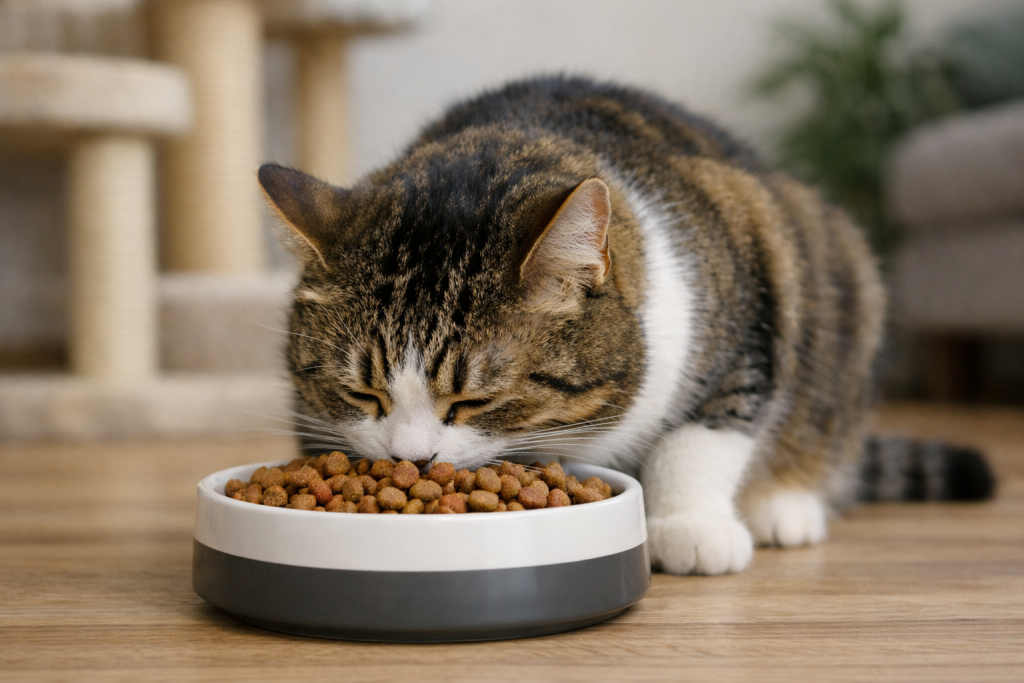
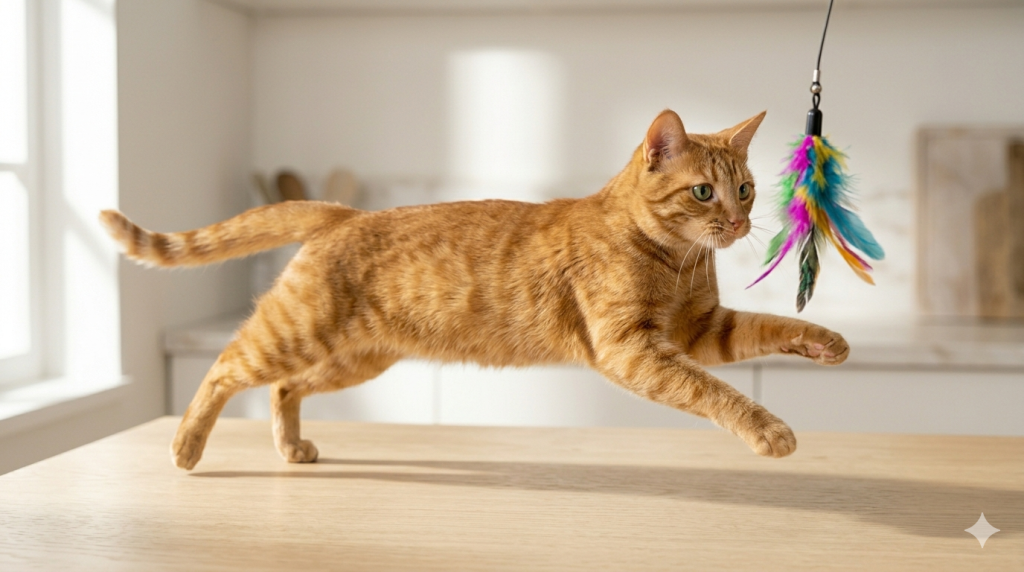
If you’ve noticed your once-sleek feline friend is looking a bit more like a fluffy pillow lately, you aren’t alone. In fact, more than half of the cats in the UK and the USA are now classified as overweight or obese, making it one of the most common health challenges pet parents face today.
While a “chonky” cat might look cute in internet memes, carrying extra weight can lead to serious health issues like diabetes, joint pain, and a shorter lifespan. The good news? Switching to the right cat food for weight loss and making a few lifestyle tweaks can add years to your cat’s life. This guide will walk you through everything you need to know to help your cat slim down safely and happily.
Why Cat Weight Management Matters

Before we dive into the bowl, let’s talk about why those extra grams matter. A cat is considered overweight if they are 10–20% above their ideal body weight. If they are more than 20% over, they are medically obese.
The Risks of Feline Obesity
- Diabetes Mellitus: Overweight cats are significantly more likely to develop insulin resistance.
- Osteoarthritis: Extra weight puts immense pressure on tiny joints, leading to decreased mobility.
- Urinary Issues: Heavier cats often struggle to groom themselves, leading to skin infections and urinary tract blockages.
- Hepatic Lipidosis: If an overweight cat stops eating suddenly, they can develop life-threatening liver disease.
Understanding Cat Food for Weight Loss

Not all “diet” foods are created equal. When searching for a weight loss formula, you need to look beyond the “light” label on the bag.
1. High Protein is Key
Cats are obligate carnivores. Even when they are dieting, they need high levels of animal based protein to maintain lean muscle mass. If a food is too high in fillers and too low in protein, your cat will lose muscle instead of fat.
2. Low Carbohydrates
In the wild, a cat’s diet contains very few carbs. Many commercial dry foods use grains or potatoes as binders, which can spike blood sugar. Look for recipes that prioritize meat over starches.
3. Increased Fiber
Fiber helps your cat feel full. It adds bulk to the meal without adding calories, which prevents your cat from begging at the bowl ten minutes after finishing their dinner.
4. L-Carnitine
This is a common “LSI keyword” in the pet food world. As a specialized amino acid derivative, L carnitine acts as a shuttle, transporting fatty acids into the mitochondria where they are converted into usable cellular energy. Many premium weight loss formulas include this to boost metabolism.
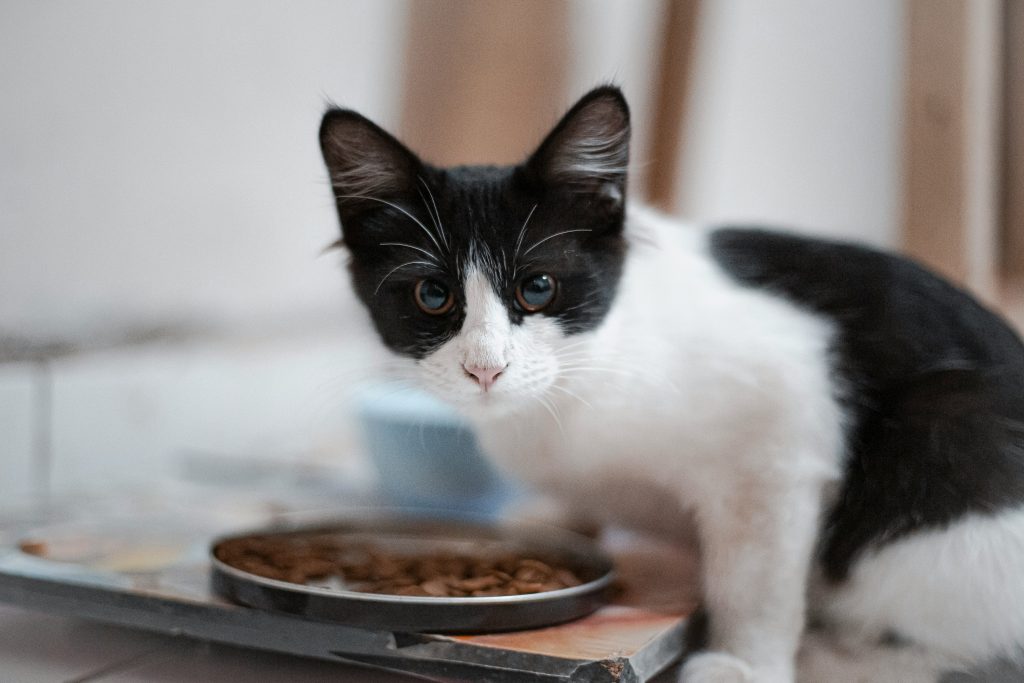
Wet Food vs. Dry Food for Weight Loss
One of the biggest debates in feline nutrition is whether wet or dry food is better for shedding pounds.
The Case for Wet Food
Many veterinarians recommend wet cat food for weight loss because it naturally contains more water and fewer calories by volume. The high moisture content helps with hydration and makes the portion look larger, satisfying the “visual” hunger of a cat.
The Case for Dry Food
Dry food is convenient and often more budget friendly. However, it is very calorie-dense. If you choose dry kibble, you must be extremely precise with a measuring cup or, better yet, a kitchen scale.
How to Calculate Portions
You can buy the most expensive diet food in the world, but if you overfeed it, your cat won’t lose weight.
- Consult Your Vet: Always ask your vet for your cat’s “target weight.”
- Ignore the Bag (Mostly): Feeding guidelines on the back of the bag are often based on active, intact (un neutered) cats. Most house cats need about 20% less than what the bag suggests.
- Use Calories (kcal): Look at the calories per cup or per tin. An average 10lb (4.5kg) cat usually needs about 200–250 calories per day to maintain weight, so for weight loss, they may need closer to 180 200 calories.
Tips for a Successful Feline Diet
Stop Free-Feeding
Leaving a bowl of kibble out all day is the fastest way to maintain an overweight cat. Move to scheduled mealtimes (2 4 times a day). This allows you to monitor exactly how much they are eating.
Use Puzzle Feeders
In the wild, cats have to work for their food. Use a slow feeder or a food puzzle toy. This slows down their eating and provides mental stimulation, burning a few extra calories in the process.
The “Treat” Trap
Those little dental treats or bits of ham add up fast. If you must give treats, use pieces of their regular diet food or small bits of plain, boiled chicken. Ensure treats never make up more than 10% of their daily caloric intake.

Transitioning to New Food
Never swap your cat’s food overnight. Cats have sensitive stomachs and can be “picky” to a fault.
- Days 1–2: 70% old food, 25% new food.
- Days 3–4: 50% old food, 50% new food.
- Days 5–6: 20% old food, 75% new food.
- Day 7: 100% new weight-loss food.
Conclusion: Supporting Your Cat’s Long-Term Vitality
Guiding your feline companion toward a leaner, more active physique is a transformative process that goes far beyond the numbers on a scale. It is a commitment to improving their daily quality of life, ensuring they can move without discomfort and play without tiring. By transitioning to a specialized cat food for weight loss that emphasizes lean muscle maintenance and satiety, you are taking a proactive step in preventing chronic illness. This isn’t about restriction; it’s about providing the precise nutrition their body needs to thrive in a domestic environment.
Success in feline weight management is built on small, daily victories. You may find that the journey requires a shift in how you show affection—trading high-calorie treats for interactive play and grooming sessions. As the weeks progress, pay close attention to the subtle signs of improvement. Whether it’s a newfound interest in a favorite toy or the ability to reach a high perch they haven’t visited in years, these moments are the true indicators that your efforts are working.
Ultimately, you are your cat’s strongest advocate in a world filled with calorie-dense temptations. Every measured meal and every minute spent with a feather wand is an investment in their future. By making informed choices in 2026 and staying consistent with their dietary plan, you are gifting your pet more years of comfort, agility, and companionship. The path to a healthier life doesn’t happen all at once, but it does begin with the very next portion you put in their bowl.

FAQs
Q: How fast should my cat lose weight?
Slow and steady wins the race. A safe rate is about 0.5% to 2% of their body weight per week. Rapid weight loss in cats can lead to liver failure.
Q: Can I just feed my cat less of their normal food?
While this reduces calories, it also reduces essential vitamins and minerals. Specialized weight-loss food is formulated to be nutrient dense even with fewer calories.
Q: My cat begs for food constantly. What should I do?
Try volumetric feeding add a little extra water to wet food or use high fiber recipes to help them feel full. Also, distract them with play when they beg.
Q: Are there specific brands for the UK and the USA?
Yes, brands like Royal Canin Satiety, Hill’s Science Diet Perfect Weight, and Purina Pro Plan Veterinary Diets are available in both regions and are highly recommended by pros.
Q: How do I know if my cat is at a healthy weight?
You should be able to feel their ribs easily without a thick layer of fat over them, and they should have a visible “waist” when viewed from above.