Choosing the right high protein cat food is one of the most important decisions for your cat’s long-term health.
Cats are obligate carnivores, meaning their bodies are designed to obtain most of their nutrition from animal-based protein.
A diet rich in quality protein supports muscle maintenance, healthy metabolism, immune function, and overall well-being.
Today, pet owners can choose between high protein wet cat food and high protein dry cat food. Both options offer benefits, but they differ in moisture content, convenience, cost, and nutritional characteristics.
This guide compares both types of cat food to help you determine which option best fits your cat’s age, lifestyle, and health needs.
What Is High Protein Cat Food and Why Do Cats Need It?
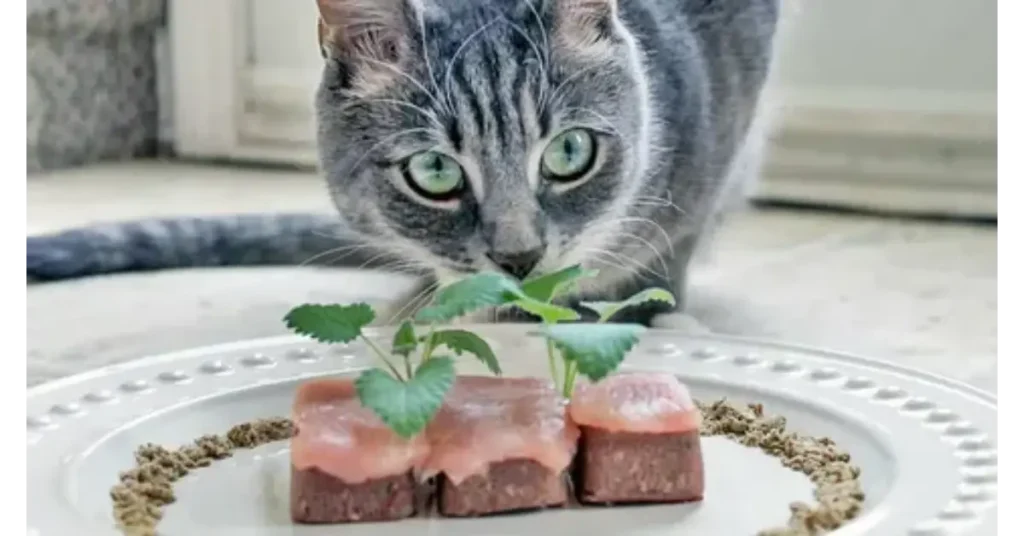
High protein cat food contains a higher percentage of protein than many traditional formulas. Since cats naturally follow a carnivore diet, protein plays a central role in their nutrition.
Understanding the Carnivore Diet for Cats
Cats rely heavily on animal protein for cats because their bodies efficiently use amino acids from meat-based ingredients.
Important nutrients found in protein-rich diets include:
- Essential amino acids
- Taurine for cats
- Digestible protein
- Healthy fats
- Vitamins and minerals
Without adequate protein, cats may struggle to maintain healthy muscles and energy levels.
Benefits of Cat Food High in Protein
A quality cat food high in protein can provide several benefits:
- Supports muscle maintenance
- Preserves lean body mass
- Promotes healthy metabolism
- Enhances immune support
- Improves skin and coat health
- Supports digestive health
- Helps with healthy weight management
High Protein Wet Cat Food: Benefits, Pros, and Cons
What Makes High Protein Wet Cat Food Different?
High protein wet cat food contains significantly more moisture than dry food. This additional hydration can benefit cats that do not naturally drink enough water.
Key benefits include:
- Increased hydration
- Better urinary health support
- Improved protein digestibility
- Enhanced nutrient absorption
- Greater palatability
Many wet foods rely on real meat ingredients as primary protein sources.
Common Ingredients Found in High Protein Wet Cat Food
Popular ingredients include:
- Chicken recipe cat food
- Turkey cat food
- Salmon cat food
- Tuna
- Whitefish
- Duck
- Beef
- Lamb
Additional nutrient-rich ingredients include:
- Liver
- Eggs
- Taurine
- Omega-3 fatty acids
- Omega-6 fatty acids
Pros and Cons of High Protein Wet Cat Food
| Pros | Cons |
| Excellent hydration | More expensive |
| Supports urinary health | Short shelf life after opening |
| Easier digestion | Requires refrigeration |
| Highly palatable | Less convenient for free feeding |
Who Should Choose High Protein Wet Cat Food?
High protein wet cat food is often recommended for:
- Indoor cats needing hydration support
- Cats with urinary health concerns
- Senior cats
- Kittens
- Cats with sensitive digestion
High Protein Dry Cat Food: Benefits, Pros, and Cons
What Makes High Protein Dry Cat Food Popular?
High protein dry cat food remains a practical option for many households.
Benefits include:
- Easy storage
- Longer shelf life
- Lower feeding costs
- Convenient portion control
Nutritional Value of High Protein Dry Cat Food
Many modern dry foods now offer:
- High protein percentages
- Real meat ingredients
- Complete and balanced nutrition
- Essential amino acids
- Taurine supplementation
When choosing dry food, prioritize formulas with meat listed as the first ingredient.
Pros and Cons of High Protein Dry Cat Food
| Pros | Cons |
| Affordable | Lower moisture content |
| Convenient | May contain more carbohydrates |
| Easy to store | Less hydration support |
| Suitable for multi-cat homes | Not ideal for some urinary conditions |
Who Should Choose High Protein Dry Cat Food?
Dry food works well for:
- Active cats
- Multi-cat households
- Budget-conscious owners
- Cats with healthy hydration habits
High Protein Wet Cat Food vs High Protein Dry Cat Food
Comparison Table
| Feature | Wet Food | Dry Food |
| Moisture Content | High | Low |
| Hydration Support | Excellent | Moderate |
| Protein Digestibility | Excellent | Good |
| Cost | Higher | Lower |
| Storage | Refrigeration Required | Easy Storage |
| Convenience | Moderate | High |
| Urinary Health Support | Excellent | Moderate |
Protein Content Comparison
Both wet and dry formulas can provide sufficient protein. The quality of protein sources matters more than the form of food itself.
Moisture and Hydration Comparison
Wet food naturally contains more water, helping support hydration and urinary health.
Weight Management Benefits
Cats consuming moisture-rich foods may feel fuller with fewer calories, making wet food useful for weight management.
Digestive Health and Protein Digestibility
Highly digestible protein sources such as chicken, turkey, salmon, and eggs are beneficial in both wet and dry formulas.
Muscle Maintenance and Lean Muscle Development
A diet rich in animal protein supports lean muscle development and long-term muscle maintenance.
Cost and Convenience Comparison
Dry food generally costs less and offers greater convenience, while wet food offers hydration advantages.
Best High Protein Cat Food for Different Life Stages
High Protein Cat Food for Kittens
High protein kitten food supports:
- Growth and development
- Strong muscles
- Healthy bones
- Brain development
High Protein Cat Food for Adult Cats
Adult cats require a balanced cat diet that supports:
- Everyday energy
- Healthy weight
- Muscle maintenance
- Healthy cat nutrition
High Protein Cat Food for Senior Cats
High protein senior cat food can help:
- Maintain muscle mass
- Support mobility
- Promote healthy aging
- Improve overall vitality
Veterinary nutrition experts often recommend quality protein sources for senior cats.
High Protein Cat Food for Specific Health Goals
High Protein Cat Food for Weight Loss
High protein cat food for weight loss helps preserve muscle while reducing excess body fat.
Benefits include:
- Better satiety
- Reduced overeating
- Improved healthy weight management
- Lower risk of feline obesity
High Protein Cat Food for Muscle Growth
Cats needing additional muscle support may benefit from:
- Chicken
- Turkey
- Salmon
- Beef
- Eggs
These ingredients help maintain lean body mass.
High Protein Cat Food for Active Cats
High protein cat food for active cats supports:
- Energy production
- Recovery after activity
- Healthy metabolism
- Muscle maintenance
Is Grain Free High Protein Cat Food Better?
Benefits of Grain Free High Protein Cat Food
Grain free high protein cat food often contains more animal-based ingredients and fewer fillers.
Potential benefits include:
- Higher meat content
- Improved digestibility for some cats
- Alternative ingredient options
Potential Drawbacks to Consider
Grain-free diets are not necessary for every cat. The focus should remain on ingredient quality and nutritional balance.
Consult veterinary nutrition professionals when considering major dietary changes.
How to Choose the Best High Protein Cat Food

Check the Ingredient List First
Look for:
- Real meat ingredients
- High-quality protein sources for cats
- Named animal proteins
Evaluate the Nutritional Profile
Review:
- Protein percentage
- Fat content
- Moisture levels
- Complete and balanced diet certification
Match the Food to Your Cat’s Lifestyle
Consider:
- Best high protein cat food for indoor cats
- High protein cat food for active cats
- High protein cat food with real chicken
- Age-specific nutritional needs
Best High Protein Cat Food Brands to Consider
Premium Cat Food Brands
- Purina Pro Plan
- Royal Canin
- Hill’s Science Diet
- Blue Buffalo
- Wellness
High-Protein Specialty Brands
- Instinct
- Orijen
- Acana
- Merrick
- Tiki Cat
Affordable High Protein Cat Food Brands
Many budget-friendly products provide quality nutrition when formulated with real meat ingredients and balanced nutrient profiles.
Cat Feeding Guide for Transitioning to High Protein Cat Food
Switching from Regular Food to Protein Rich Cat Food
Transition gradually over 7–10 days:
- Days 1–2: 25% new food
- Days 3–4: 50% new food
- Days 5–6: 75% new food
- Day 7+: 100% new food
Portion Sizes and Feeding Frequency
Adjust portions based on:
- Age
- Weight
- Activity level
- Health status
Monitoring Digestive Health and Weight Changes
Monitor:
- Appetite
- Stool quality
- Energy levels
- Body condition
10 Important Cat Nutrition Terms and Meanings
| Term | Meaning |
| Taurine | Essential nutrient important for heart and eye health |
| Amino Acids | Building blocks of protein |
| Digestible Protein | Protein that is easily absorbed by the body |
| Lean Body Mass | Muscle tissue without excess fat |
| Metabolism | Process of converting food into energy |
| Hydration | Maintaining adequate body water levels |
| Omega-3 Fatty Acids | Healthy fats supporting skin and coat health |
| Urinary Health | Proper function of the urinary system |
| Complete Nutrition | Food containing all essential nutrients |
| Protein Percentage | Amount of protein present in a food formula |
Conclusion
Both high protein wet cat food and high protein dry cat food can support excellent feline nutrition when formulated with quality ingredients. Wet food offers superior hydration and urinary health benefits, while dry food provides convenience and affordability..
FAQS
What is the best high protein cat food for indoor cats?
Indoor cats do best on high protein cat food with moderate calories, real meat, and weight control support.
Is high protein wet cat food better than dry cat food?
Wet food helps hydration and urinary health, while dry food is more convenient.
How much protein should be in high protein cat food?
Usually 30%–50% protein (dry matter), depending on age and activity.
Can senior cats eat high protein cat food safely?
Yes, it helps maintain muscle, but choose easily digestible formulas.
Is grain free high protein cat food necessary for cats?
No, it’s optional—balanced nutrition matters more than being grain-free.