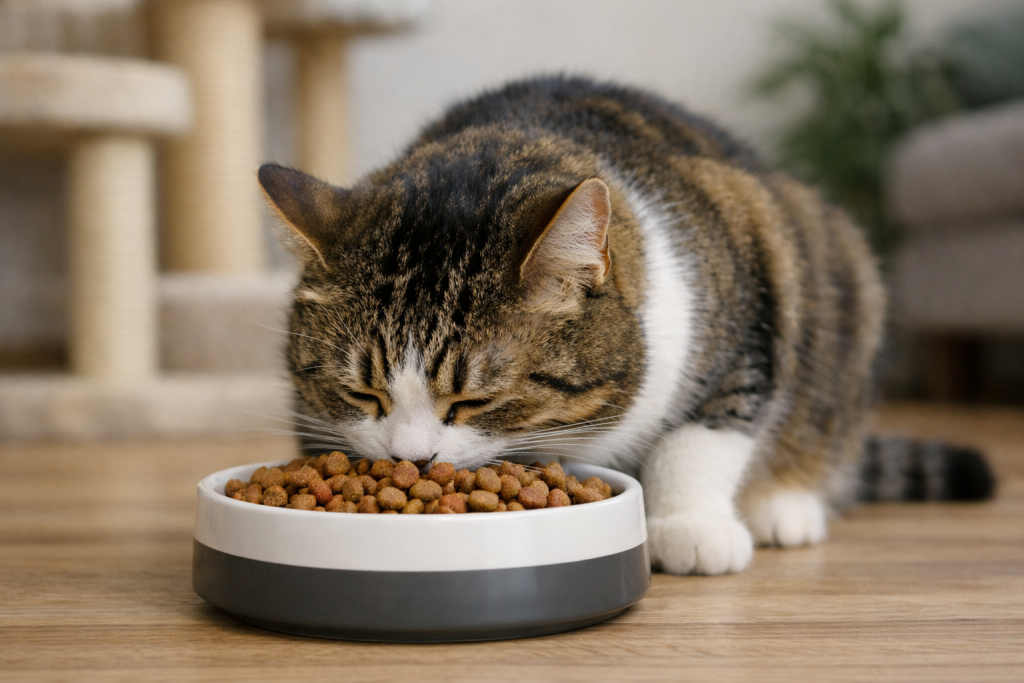
Many cats need a diet change due to medical conditions such as kidney disease, urinary issues, allergies, or digestive sensitivity. In these cases, prescription cat food is often recommended by veterinarians as a special dietary solution.
A common concern for pet owners is digestive upset during the transition. That is why a slow and controlled approach is important. This guide explains how to safely switch your cat’s diet step by step while supporting healthy digestion.
The term prescription cat food refers to vet-recommended nutrition designed for specific health needs. It should always be introduced carefully to avoid stress on the digestive system.
What Is Prescription Cat Food and Why Is It Important
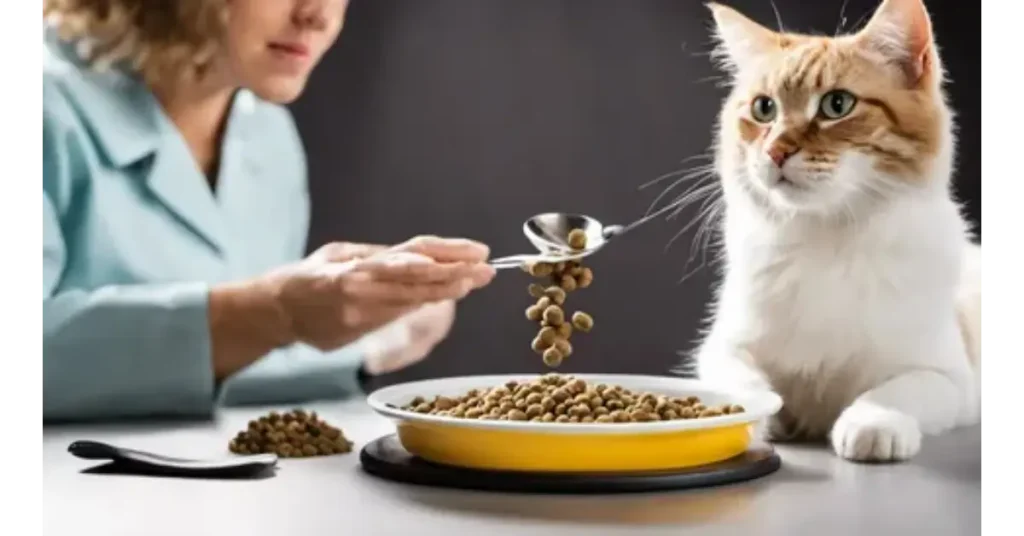
Prescription cat food is a veterinary diet made to manage specific health conditions in cats. It is different from regular cat food because it contains controlled nutrients designed for medical support.
This type of diet is recommended only by a veterinarian after diagnosis.
It plays an important role in long-term cat health management.
LSI keywords included naturally:
veterinary diet for cats, therapeutic cat food, medically formulated cat food
When Do Cats Need Prescription Cat Food
Cats may need a special diet when they develop health problems that require nutritional control.
Common conditions include:
- Kidney disease support
- Urinary tract health issues
- Food allergies or sensitivities
- Digestive problems
Long-tail keyword use:
When should a cat eat prescription cat food depends on veterinary diagnosis and symptoms.
cat food for sensitive stomachs, cat health nutrition, and cat food for urinary care
Benefits of Prescription Cat Food for Cat Health
Prescription diets are designed to support targeted health needs and improve quality of life.
Benefits include:
- Supports kidney, liver, and urinary health
- Improves digestion and nutrient absorption
- Helps manage chronic conditions
- Reduces symptom severity in sensitive cats
LSI keywords used:
cat diet for health conditions, vet prescribed diet benefits, balanced medical cat food
Step-by-Step Guide to Switching Your Cat to Prescription Cat Food
A gradual transition is essential to avoid digestive issues and ensure acceptance.
🐾 Prescription cat food transition plan:
| Days | Old Food | Prescription Cat Food |
| 1–3 | 75% | 25% |
| 4–6 | 50% | 50% |
| 7–9 | 25% | 75% |
| 10+ | 0% | 100% |
This switching cat food safely method reduces stress on the stomach and improves acceptance.
LSI keywords included:
gradual diet change for cats, avoiding digestive upset in cats
Common Digestive Problems During Food Transition
Some cats may experience mild issues during diet change.
Common symptoms include:
- Vomiting or regurgitation
- Loose stool or diarrhea
- Loss of appetite
- Gas or stomach discomfort
Related keywords:
cat digestive issues, sensitive stomach reaction, gut health in cats
How to Prevent Digestive Problems When Switching Cat Food
Prevention is the most important part of a safe transition.
Tips include:
- Introduce food slowly over 10 days
- Stick to a fixed feeding schedule
- Avoid mixing too many food types
- Monitor stool and behavior daily
Long-tail keywords used naturally:
how to switch cat food without diarrhea, avoid stomach upset when changing cat diet
Mistakes to Avoid When Feeding Prescription Cat Food

Avoiding common errors helps ensure a smooth transition.
Mistakes include:
- Switching too quickly
- Ignoring vet advice
- Mixing multiple diets
- Not observing cat behavior changes
Errors in cat feeding, incorrect diet transitions, and veterinary diet recommendations
Expert Tips for Long-Term Prescription Cat Food Use
Long-term success depends on consistency and monitoring.
Tips:
- Follow vet recommended cat food instructions
- Schedule regular checkups
- Monitor weight and hydration
- Adjust diet only under veterinary supervision
Conclusion
Switching your cat to prescription cat food requires patience, consistency, and careful monitoring. A gradual transition reduces digestive problems and helps your cat adjust smoothly. Always follow veterinary guidance for the best long-term health results.
Frequently Asked Questions (SEO Boost Section)
Can I switch my cat to prescription cat food overnight
No, sudden changes can cause digestive upset and refusal to eat.
How much time do cats need to get used to it?
Most cats adjust within 7–14 days depending on sensitivity.
What if my cat refuses prescription cat food
Try gradual mixing and consult your vet if refusal countines.
Do cats stay on prescription cat food forever
It depends on the medical condition and veterinary recommendation.