Fresh dog food is having a moment. Scroll through any pet group and you will see glossy photos of steaming bowls filled with what looks like a home-cooked dinner. If you are searching for the best fresh dog food, you want to know two things: is it better than good kibble, and is the price justifiable? This guide answers both, with 2026 costs for small, medium, and large dogs, honest pros and cons, and our take on eight leading fresh brands.
What fresh dog food actually is
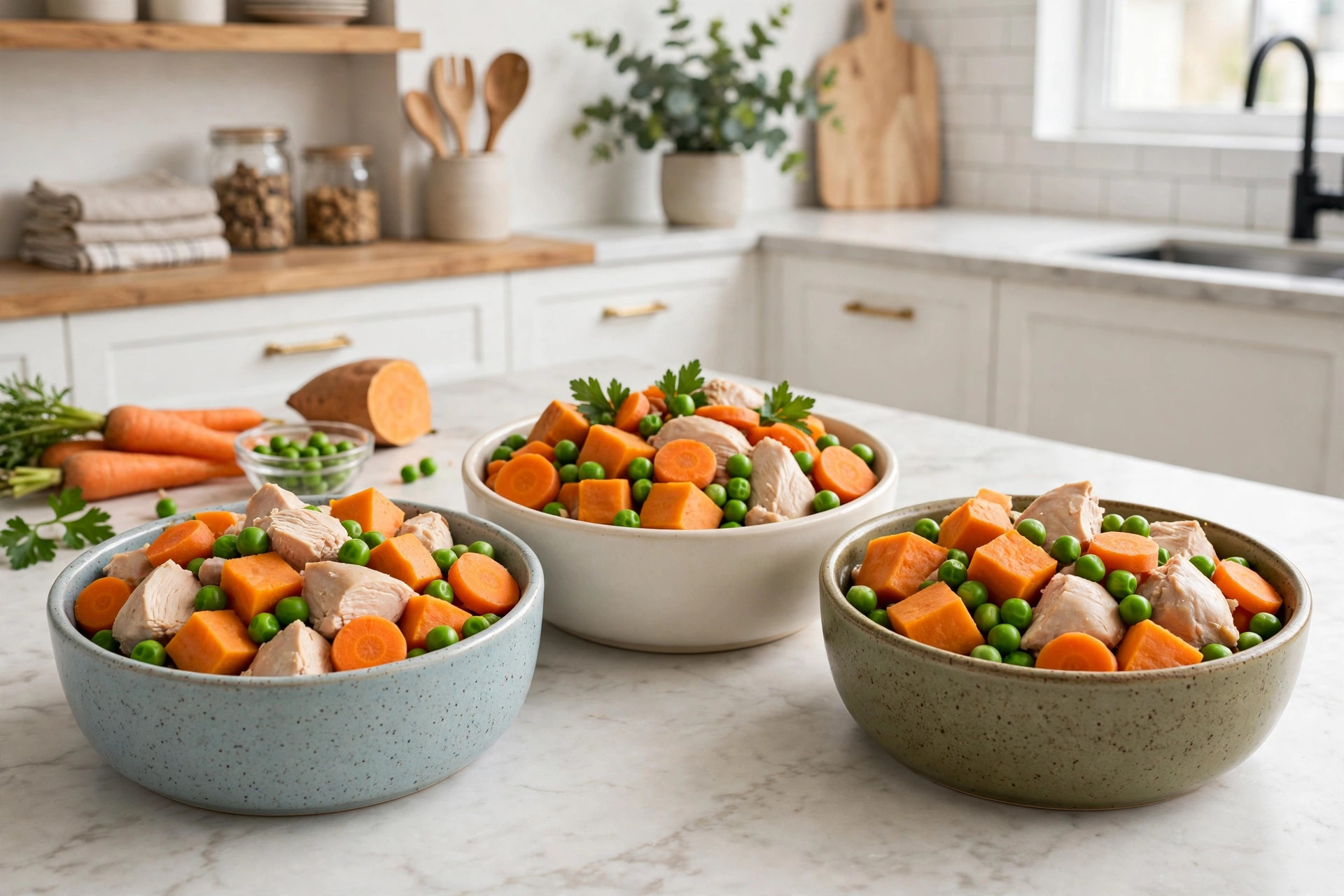
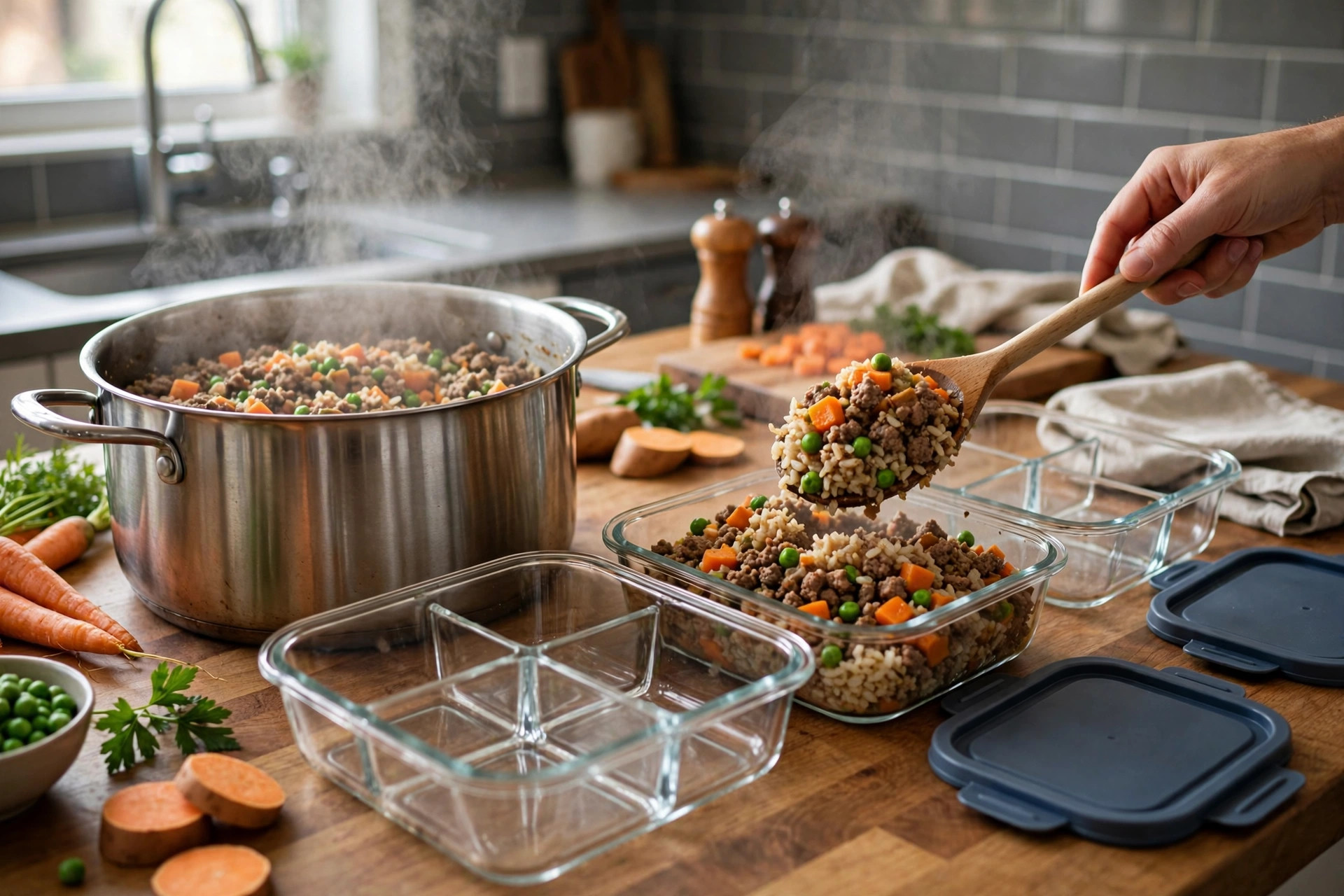
Fresh dog food is gently cooked food made from whole ingredients, usually meat, vegetables, grains, and sometimes fruit, then shipped frozen or kept refrigerated. Where kibble is cooked at very high heat and stored at room temperature for months, fresh food is cooked at lower temperatures and kept cold to preserve taste and nutrients.
Most fresh brands work the same way. You fill out an online quiz about your dog’s age, breed, weight, and health, and the company builds a meal plan with daily portions sized for your dog. The food arrives in pre-portioned packs that you thaw and serve, either as a full diet or as a topper over kibble.
Fresh is not the same as raw. Raw food is never cooked, which raises different food safety questions; our Instinct raw dog food vs kibble comparison covers those. Fresh sits in the middle: cooked enough to be safer, gentle enough to look like real food.
What fresh dog food really costs
Fresh dog food usually costs two to four times what a premium kibble costs per day, and five or more times what a budget kibble costs. The exact number depends heavily on your dog’s size: a 65 pound dog eats far more than a 15 pound one.
The monthly figures below are approximate 2026 public prices, a rough guide rather than a quote. Subscription brands price each dog individually through their quiz, so your cost will vary with your dog’s weight, age, and activity level. Freshpet is the exception: it sells through store coolers at a fixed retail price, no subscription needed.
| Brand | Small dog (15 lb) | Medium dog (30 lb) | Large dog (65 lb) |
|---|---|---|---|
| The Farmer’s Dog | ~$65/month | ~$100/month | ~$190/month |
| Ollie | ~$80/month | ~$130/month | ~$240/month |
| JustFoodForDogs | ~$90/month | ~$150/month | ~$280/month |
| Freshpet (retail) | ~$45/month | ~$80/month | ~$150/month |
Freshpet is the cheapest entry point because retail skips the subscription overhead. JustFoodForDogs usually lands highest, though its DIY nutrient blend for home-cooked food can lower costs if you enjoy cooking. The per-day math surprises most people: a large dog on a subscription plan can run past six dollars a day versus around two for a premium kibble, a gap that can pass two thousand dollars a year. For whether premium prices pay off at all, see our cheap dog food vs premium dog food breakdown.
The honest pros of fresh dog food
Dogs love the taste. Picky eaters, senior dogs with fading appetites, and dogs recovering from illness often eat fresh food eagerly when they refuse kibble.
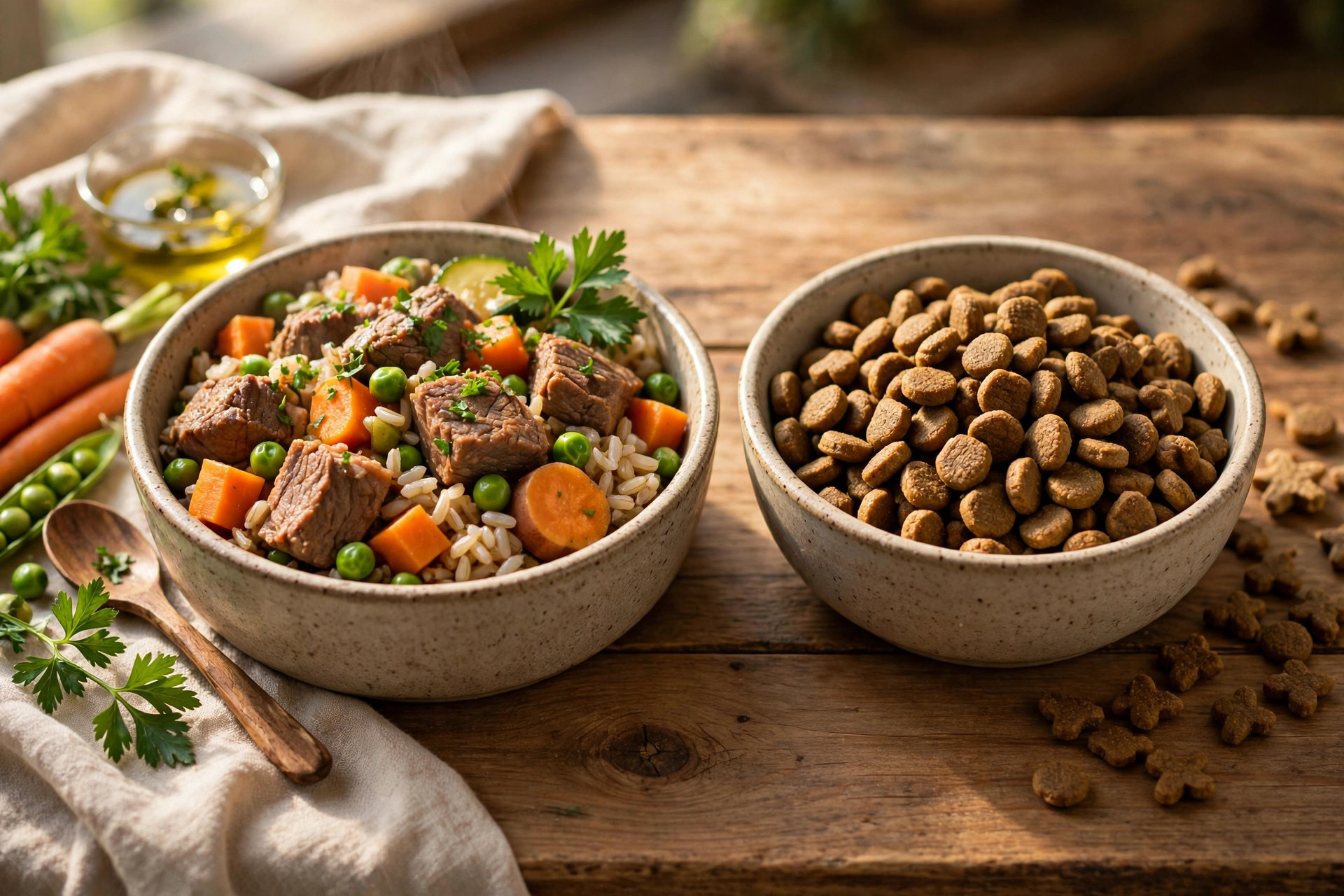
You can see what is in it. When the food looks like chicken, carrots, and rice, transparency is built in, which matters for dogs with sensitivities.
Portions are done for you. Pre-portioned packs remove the guesswork of scoops and cups, which helps owners who struggle with overfeeding.
Higher moisture content. Fresh food is roughly 70 percent water versus about 10 percent in kibble. That extra hydration helps dogs that do not drink enough, and the soft texture suits seniors with dental trouble.
Serious nutrition teams at the best brands. The top companies employ full-time veterinary nutritionists and formulate to AAFCO standards, so “fresh” does not have to mean “unbalanced.” Always check the label for an AAFCO nutritional adequacy statement.
The honest caveat: most reported health perks, like shinier coats or firmer stools, come from owner surveys and small studies. Encouraging, but thinner evidence than the decades of feeding trials behind major kibble formulas.
The honest cons of fresh dog food
The price. There is no way around it. Fresh is a luxury category, and for a large dog the monthly cost can rival a small car payment. On a tight budget, a well-chosen kibble feeds your dog well for far less.
Freezer space. A month of food for a medium or large dog arrives as a big frozen box. If your freezer is already full, that is a real logistical problem.
Subscription management. Plans, delivery windows, skipped weeks, and cancellations all need attention. A missed summer delivery can mean thawed food on your porch.
Handling and food safety. Fresh food must be thawed in the fridge, served within a few days, and never left out for hours. It takes more kitchen discipline than scooping kibble.
Thinner long-term research. Established kibble formulas rest on decades of feeding trials. Fresh brands are newer, and while the best ones run trials and employ nutritionists, the category has less long-term data overall.
It can spoil your dog. Some dogs get so used to fresh food that they refuse plain kibble entirely. If you plan to mix, start early so you keep a fallback option.
8 fresh dog food brands worth knowing in 2026
We judged ingredient transparency, AAFCO adequacy statements, veterinary nutrition expertise, pricing clarity, and customer reviews. Here is what each brand does best, plus one honest drawback.
1. The Farmer’s Dog: best for first-time fresh feeders
The biggest name in fresh dog food and the simplest on-ramp. A detailed quiz builds a customized plan, every recipe is formulated by veterinary nutritionists, and the food arrives frozen in pre-portioned packs. The drawback is price: for medium and large dogs it sits near the top of the subscription range, and you will need serious freezer space.
2. Ollie: best for flexible feeding
Ollie lets you feed full fresh, baked food, or a mix of the two, getting fresh benefits at a lower cost. The drawback: full fresh plans cost about as much as The Farmer’s Dog, so savings only appear with the mixed option.
3. Nom Nom: best for sensitive stomachs
Nom Nom keeps its menu focused, with recipes like Chicken Cuisine and Beef Mash built around short lists of whole ingredients, which suits dogs with touchy digestion. The company employs a full veterinary nutrition team. The drawback is variety: the menu is smaller than rivals, and the price is firmly premium.
4. JustFoodForDogs: best for dogs with medical dietary needs
If your vet has prescribed a special diet, this is the fresh brand most likely to have an answer, including veterinary support recipes for kidney or liver issues. It also sells DIY nutrient packs for home cooking. The drawback: it is usually the priciest option in the category, and thawed food has a short fridge life.
5. Open Farm: best for sustainability-minded owners
Open Farm brings its farm-to-bowl transparency to gently cooked fresh recipes, and you can trace every ingredient to its source. The drawback: its fresh lineup is smaller than the subscription specialists, and availability varies by region.
6. Freshpet: best budget entry into fresh
Freshpet is the only major fresh brand sold without a subscription, straight from refrigerated grocery and pet store sections, making it the cheapest way to try fresh food. The drawback: recipes are one-size formulas rather than personalized plans, and it has faced recalls in the past, so buy from stores with good cold-chain handling and check lot numbers.
7. PetPlate: best for dogs with food sensitivities
PetPlate’s vet-designed meals include limited-ingredient options for elimination diets and suspected sensitivities, customized through a quiz and delivered frozen. The drawback: a smaller company with a limited delivery footprint, and pricing runs high for bigger dogs.
8. Maev: best for the raw-curious
Maev sells raw rather than cooked fresh food, but belongs here for owners drawn to minimal processing: its human-grade raw bars are the least processed option available. The drawback: raw feeding demands careful thawing and thorough bowl hygiene, more work than any cooked fresh brand.
Is fresh dog food worth it for your dog?
For most healthy dogs, fresh food is a wonderful upgrade, not a necessity. A high-quality kibble chosen with care meets all of your dog’s nutritional needs at a fraction of the cost. If you are still deciding on a staple diet, our guide on how to choose vet-recommended dog food will help you sort the good kibbles from the marketing.
Fresh is most worth it when your dog is a picky eater, a senior who struggles with hard kibble, or has specific dietary needs a fresh brand handles well, and when the monthly cost fits your budget. A smart middle path: feed fresh as a topper, or half fresh and half kibble. You get the palatability boost while keeping costs and convenience under control.
Frequently asked questions
Is fresh dog food better than kibble?
Not automatically. Both can be complete and balanced if they carry an AAFCO nutritional adequacy statement. Fresh food wins on taste, moisture, and ingredient transparency. Kibble wins on cost, convenience, the dental benefit of crunching, and a deeper base of long-term research. Pick what fits your dog and your budget.
How much does fresh dog food cost per month?
Based on 2026 public pricing, expect roughly $45 to $280 per month depending on brand and dog size: small dogs on Freshpet at the low end, large dogs on JustFoodForDogs at the high end. Subscription brands price each dog individually, so use their quiz for your exact number.
Can I mix fresh dog food with kibble?
Yes, and many owners do exactly that to balance cost and benefits. Transition over seven to ten days to avoid stomach upset, and adjust portions so daily calories stay right.
How long does fresh dog food last after thawing?
Most brands recommend serving thawed food within four to seven days, kept sealed in the refrigerator. Never leave it out for more than two hours, and discard anything that smells off.
Is fresh dog food good for puppies and senior dogs?
Many fresh brands offer all-life-stages recipes plus specific puppy and senior formulas. Check the AAFCO statement to confirm it matches your dog’s life stage, and ask your vet before switching a puppy, a health-compromised senior, or a pregnant dog.