Choosing the right diet is one of the most important decisions a dog owner can make. Nutrition affects your dog’s energy levels, digestion, coat condition, immune system, and overall health.
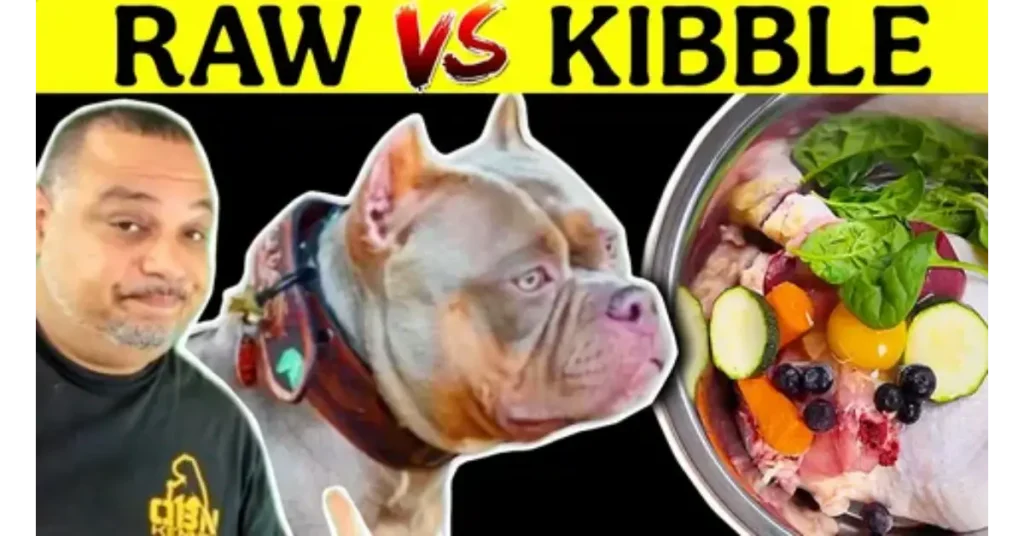
Today, many pet owners are comparing instinct raw dog food with traditional kibble to determine the best dog food diet for their pets.
This guide compares both options to help you make an informed decision.
What Is Instinct Raw Dog Food?
Natural Raw Feeding Concept

Instinct raw dog food is formulated to mimic the diet dogs would naturally consume in the wild. It focuses on minimally processed ingredients that retain more of their original nutritional value.
Ingredients in Instinct Raw Dog Food
Typical ingredients include:
- Raw chicken, beef, lamb, or turkey
- Organ meats such as liver and heart
- Fruits and vegetables
- Freeze-dried raw pieces
- Vitamins and minerals for balanced nutrition
This approach supports natural dog nutrition and provides a protein-rich meal that many owners consider a healthy raw diet for dogs.
Why Pet Owners Choose It
Many dog owners prefer instinct raw dog food because it offers:
- High-quality animal protein
- Minimal processing
- Natural ingredients
- Improved ingredient transparency
What Is Kibble Dog Food?
Processed Dry Dog Food Explained
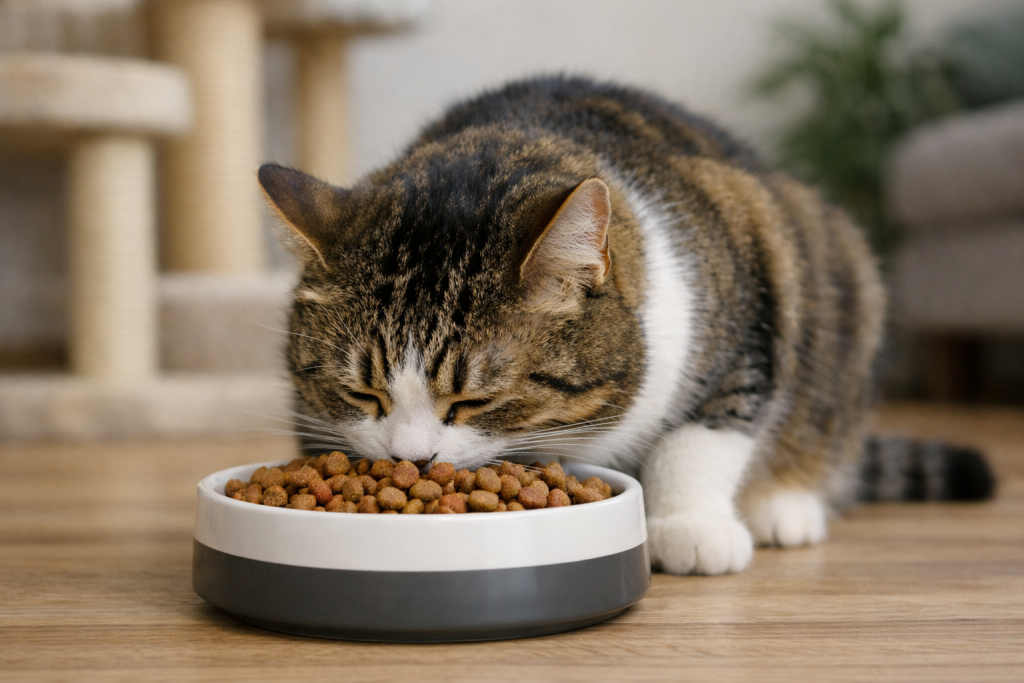
Kibble is a dry dog food produced through a manufacturing process called extrusion. Ingredients are mixed, cooked at high temperatures, and shaped into small pieces before packaging.
Common Ingredients in Kibble
Commercial kibble often contains:
- Meat meals or by-products
- Grains such as corn, wheat, or rice
- Preservatives
- Added vitamins and minerals
- Flavor enhancers
Although processed dog food is convenient, ingredient quality can vary significantly among brands.
Instinct Raw Dog Food vs Kibble: Full Nutritional Comparison
| Feature | Instinct Raw Dog Food | Kibble |
| Processing | Minimal | High heat processed |
| Protein Source | Fresh raw meat | Meat meals and proteins |
| Digestibility | Often easier to digest | Varies by formula |
| Moisture Content | High | Low |
| Preservatives | Few or none | Often included |
| Shelf Life | Shorter | Longer |
This dog food nutrition comparison highlights the key differences between instinct raw dog food vs kibble. Raw diets focus on whole-food nutrition, while kibble prioritizes convenience and storage.
Benefits of Instinct Raw Dog Food
Better Digestion and Nutrient Absorption
One of the most recognized benefits of instinct raw dog food is improved digestion. Many dogs process raw ingredients more efficiently than heavily processed foods.
Healthier Skin and Coat
Raw diets are naturally rich in protein and healthy fats, which may contribute to healthier skin and a shinier coat.
Increased Energy Levels
Because of its nutrient density, a raw dog food diet may help support consistent energy throughout the day.
Reduced Allergy Risks
Some dogs experience fewer sensitivities when eating limited, natural ingredients instead of foods containing fillers or artificial additives.
Owners looking for a nutritious dog diet find raw feeding appealing because of these advantages.
Pros and Cons of Kibble
Advantages
- Affordable and widely available
- Easy to measure and serve
- Convenient for travel
- Long shelf life
- Minimal storage requirements
Disadvantages
- Highly processed ingredients
- May contain fillers and additives
- Lower moisture content
- Quality varies between brands
Owners can strike a balance between convenience and nutritional objectives by being aware of the benefits and drawbacks of kibble dog food.
Which Is Better for Dogs?
Your dog’s age, degree of exercise, breed, and general health will all influence the response.
Best Choice Based on Needs
| Dog Type | Recommended Option |
| Puppies | Vet-guided raw diet or premium kibble |
| Active Dogs | Instinct raw dog food |
| Senior Dogs | Depends on health and digestion |
| Sensitive Stomachs | Raw diet may provide benefits |
| Busy Households | Quality kibble may be more practical |
There is no one right answer when comparing instinct raw dog food vs kibble. The best dog food choice is the one that meets your dog’s individual nutritional requirements.
How to Switch from Kibble to Instinct Raw Dog Food
Safe Transition Plan
Days 1–3
- 25% raw food
- 75% kibble
Days 4–6
- 50% raw food
- 50% kibble
Days 7–10
- 75% raw food
- 25% kibble
Important Tips
- Transition gradually
- Monitor stool consistency
- Watch for digestive changes
- Provide fresh drinking water
- Consult your veterinarian if needed
Following a proper feeding guide for raw dog food can help reduce digestive upset during the transition.
Common Myths About Raw Dog Food
Myth: Raw Food Is Unsafe
Proper handling, storage, and sourcing significantly reduce food safety concerns.
Myth: Kibble Is Always Nutritionally Superior
Nutritional quality depends on ingredient selection and formulation, not simply the food type.
Myth: Raw Feeding Is Too Expensive
Costs vary by brand and feeding method.For some owners, the investment is justified by the health benefits.
Conclusion
Both instinct raw dog food and kibble offer unique benefits. Raw feeding focuses on natural dog nutrition, high-quality protein, and minimal processing, while kibble provides affordability, convenience, and long shelf life.
If your goal is the healthiest dog diet possible, consider your dog’s age, activity level, health conditions, and lifestyle before making a decision. Consulting a veterinarian can help ensure your chosen diet provides complete and balanced nutrition for long-term health.
Frequently Asked Questions
Is instinct raw dog food good for all dog breeds?
Yes, instinct raw dog food can be suitable for many breeds when fed according to age, weight, and nutritional needs.
Can dogs switch from kibble to raw food safely?
Yes. Most dogs can transition safely when changes are introduced gradually over 7 to 10 days.
Is it easier to digest raw food than kibble?
Many dogs digest raw food efficiently because it contains minimally processed ingredients, but results vary by individual dog.
How often should dogs eat raw food?
Most adult dogs eat one to two meals daily, while puppies generally require more frequent feedings.
What is the biggest difference between kibble and raw food?
Processing is the main distinction. processed. orage.