Bringing a new puppy home is an absolute whirlwind of joy, tiny tail wags, and… a sudden realization that Monday morning is coming. If you work a full-time job, the “puppy blues” often hit when you realize your career and your new furry friend’s bathroom schedule are on a collision course.
The reality is that you can be a great dog parent without having to leave your job. Thousands of people successfully balance a career with a well-adjusted dog. It isn’t about being home every second; it’s about making the seconds you are there count. If you’re wondering how to take care of a puppy when you work, this guide is your roadmap to a stress-free home.
Understanding the “Puppy Clock”

Before we dive into the “how,” we have to talk about biology. Puppies have tiny bladders and even shorter attention spans. A good rule of thumb is that a puppy can hold their business for about one hour for every month of their age.
If your pup is eight weeks old, asking them to wait more than two hours is setting them up for failure. In the UK and the USA, where the standard workday is eight to nine hours, you simply cannot leave a young puppy alone the entire time without a plan.
Your New Morning Power Hour
Success starts long before you log into your first meeting. If you want a calm puppy while you’re away, you need to put in the work while you’re home.
The Early Bird Gets the Quiet Dog
If you used to roll out of bed at 7:30 AM, it’s time to meet at 6:30 AM. That extra hour isn’t just for a quick walk; it’s for bonding. A rushed morning creates a stressed puppy. A calm, methodical morning helps them feel secure.
Brain Games Over Long Runs
While physical exercise is beneficial, it’s the mental stimulation that truly exhausts a puppy. Spend fifteen minutes on basic commands like “sit” or “stay,” or play a game of “find the treat.” By the time you leave, their brain will be ready for a long nap.
The “Quiet Exit” Strategy
One of the biggest mistakes owners make is a long, emotional goodbye. If you make a scene, they think leaving is a big, scary event. Instead, give them a high-value treat or a stuffed toy and walk out the door without a word.
Creating the Ultimate “Home Alone” Zone

You shouldn’t give a puppy the run of the house while you’re at work. That’s a recipe for chewed table legs and “surprises” on the rug. You need a dedicated space.
- Crate Training: This is excellent for short bursts. Most dogs won’t soil where they sleep. However, it’s unfair to keep a puppy in a crate for more than 3-4 hours at a time.
- The Playpen (The Better Option): For working professionals, a playpen is a lifesaver. Place it in a room with hard floors (like a kitchen). You can fit their bed, a water bowl, and a “potty patch” or puppy pads on the opposite side. This gives them room to move without ruining your carpets.
Bridging the Mid-Day Gap
If you are away for more than four hours, you need reinforcements. Luckily, there are plenty of options regardless of your budget.
The Lunch Break Dash
If you live within a 15-minute drive of your office, use your lunch hour to head home. It’s a great way for you to decompress, and it ensures your puppy gets that vital midday potty break and some fresh air.
Hiring a “Puppy Visitor”
In many US and UK cities, professional dog walkers offer specialized “puppy visits.” Instead of a long walk, they come by for 20 minutes to play, refresh water, and clean up any accidents. It’s often cheaper than a full walk and exactly what a young pup needs.
Doggie Daycare (The “Gold Standard”)
Once your pup is fully vaccinated, daycare is a game-changer. Even just two days a week can significantly help with socialization and burn off that frantic energy.
Smart Tech for the Modern Pet Parent
We live in an age where you can talk to your dog through a camera—use it!
Pet cameras let you check in throughout the day. If you see them pacing, you know they might need a break. Automatic feeders are also great for keeping meal times consistent if you’re stuck in a late meeting. Finally, consider white noise; leaving a radio on a calm talk station can drown out “scary” outside sounds like mail deliveries or passing cars that might trigger barking.
Handling the Potty Training Hurdle

Let’s be real: accidents will happen when you work. The key to taking care of a puppy when you work is how you react to those accidents. Never scold a puppy for an accident you didn’t catch in the act. They won’t understand why you’re upset; they’ll just think you’re unpredictable. Instead, focus on rewarding the times they do go outside. Having the right enzymatic cleaners and potty training gear on hand makes this transition much smoother for everyone involved.
Common Myths vs. Reality
Reality: Dogs are remarkably adaptable. As long as they feel safe and their needs are met, they spend most of their alone time sleeping.
Myth: “Two puppies are easier because they entertain each other.”
Reality: This is usually double the trouble! Focus on bonding with one pup first to avoid “littermate syndrome” and double the destruction.
Frequently Asked Questions
1. Can I leave a puppy alone for 8 hours?
Not at first. A young puppy (under 6 months) physically cannot hold their bladder that long. You will need a walker, neighbor, or friend to drop in at least once.
2. What is the best toy for a puppy home alone?
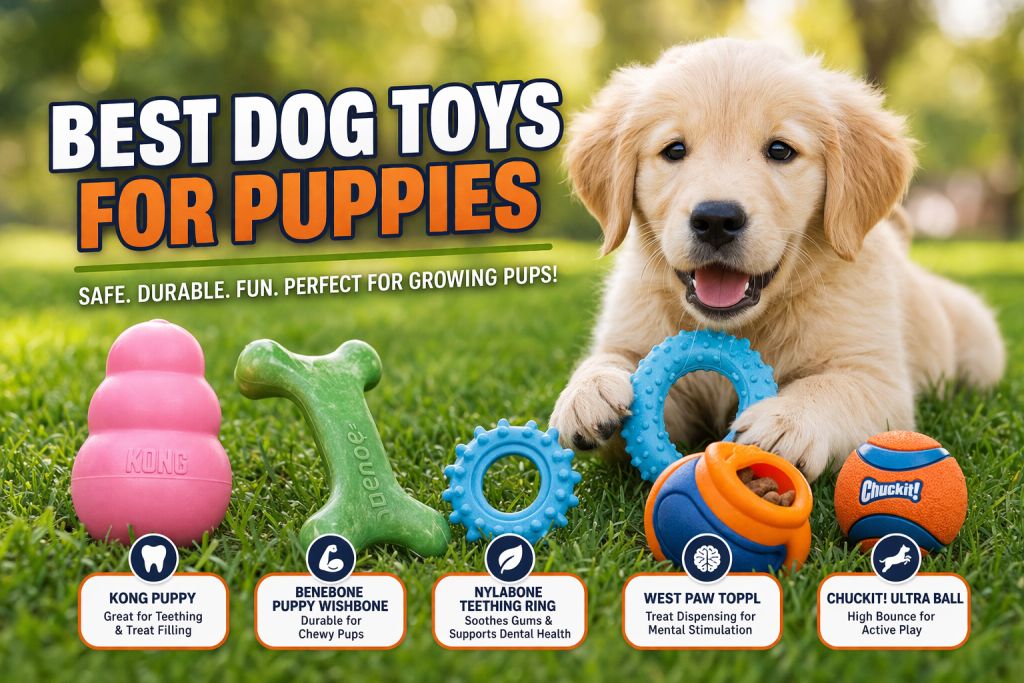
Safe, durable rubber toys stuffed with pet-safe peanut butter or wet food are perfect. Freezing them makes the “job” last even longer!
3. Will my puppy get separation anxiety?
Separation anxiety is different from boredom. If your dog is destructive only at the exit points (doors/windows) or hurting themselves, consult a professional. Most “bad behavior” is just a bored puppy looking for a hobby.
4. When can I stop using the playpen?
Most dogs can be trusted with more freedom around the 1-year mark, but every dog is different. Start by leaving them in a single room before giving them the whole house.
5. Is it okay to use puppy pads?
They are a great safety net for workers, but try not to rely on them forever. The goal is always to get the puppy comfortable with doing their business outdoors.
Final Thoughts
Learning how to take care of a puppy when you work isn’t about being perfect; it’s about being consistent. There will be days when you come home to a shredded roll of toilet paper or a “present” on the floor. Don’t sweat it. Stay the course with your routine, provide plenty of love when you are home, and soon enough, you’ll have a loyal companion who fits perfectly into your lifestyle. Providing a healthy, high-protein diet also ensures they have the right energy levels to match your training efforts!