In a nutshell, puppies can occasionally consume adult dog food in an emergency, but it shouldn’t be a regular part of their diet.
Choosing the right food is one of the most important decisions for your puppy’s health. A complete and balanced puppy food provides the nutrients needed for healthy puppy growth, while adult dog food is designed to maintain the health of fully grown dogs.
In this guide, you’ll learn when puppies can start eating adult dog fo od, the difference between puppy food vs adult dog food, how breed size affects the transition, and practical puppy feeding recommendations to support lifelong health
Can Puppies Eat Adult Dog Food?
Can a Puppy Eat Adult Dog Food?
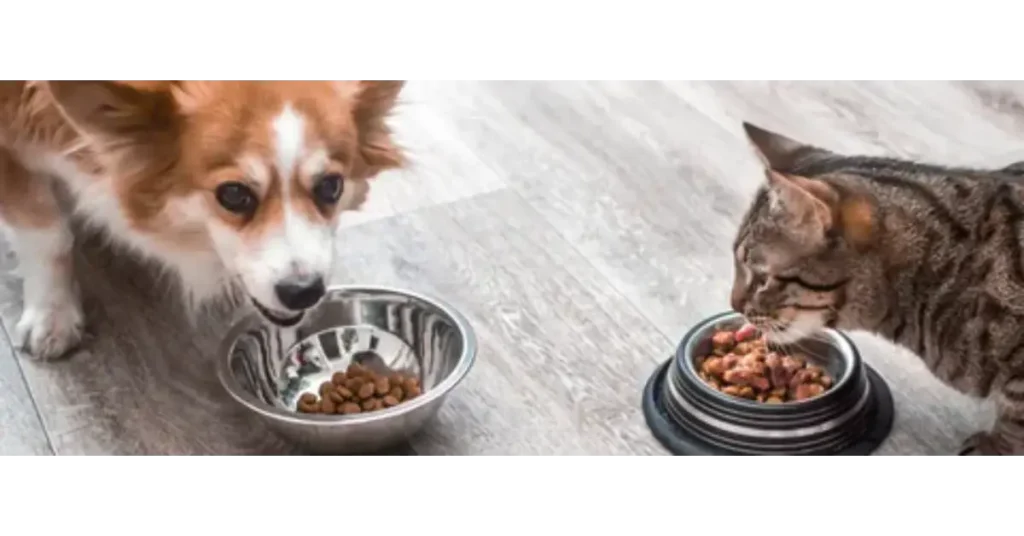
Yes, a puppy can eat adult dog food once in a while, but it should not replace a complete puppy diet during the growth stage. Puppies have higher energy requirements and need more nutrients to support rapid development.
Many owners wonder, “Can puppies have adult dog food?In most cases, you shouldn’t be alarmed if your puppy inadvertently eats from another dog’s bowl. s eating adult dog food occasionally is unlikely to cause serious harm. However, feeding adult dog food for puppies every day can result in nutritional imbalances over time.
The purpose of adult dog food is maintenance, not growth.
Adult dog food may be acceptable when:
- Your puppy accidentally eats a small amount.
- Puppy food is temporarily unavailable.
- A veterinarian recommends a specific adult formula for medical reasons.
In all other situations, a complete puppy food remains the best choice.
What Takes Place When a Puppy Consumes Dog Food from Adults?
Many pet owners ask what happens if a puppy eats adult dog food. The frequency of the occurrence determines the response.
A single meal of adult food rarely causes problems beyond possible mild digestive upset. However, if a puppy only eats adult dog food for weeks or months, it may not receive enough nutrients for proper growth.
Potential long-term risks include:
- Slower healthy puppy growth
- Nutrient deficiencies
- Poor bone and muscle development
- Lower energy levels
- Reduced immune system support
Can puppies eat adult dog food every day? Veterinary professionals generally advise against it because adult maintenance diets are not designed to meet the nutritional requirements of growing puppies.
Can puppies survive on adult dog food? While they may survive, surviving is not the same as thriving. Puppies need nutrition that supports healthy development during their first year of life.
Quick Comparison
| Situation | Safe? | Recommendation |
| Puppy accidentally eats adult food | Yes | Monitor and return to puppy food |
| Adult food for one day | Usually | Resume puppy food as soon as possible |
| Adult dog food every day | No | Feed complete puppy food |
| Long-term adult maintenance diet | Not recommended | Consult your veterinarian |
Puppy Food vs Adult Dog Food: Key Differences Every Owner Should Know
Puppy Food vs Adult Dog Food
Understanding puppy food compared to adult dog food helps explain why life-stage nutrition matters.
| Feature | Puppy Food | Adult Dog Food |
| Purpose | Supports growth | Maintains adult health |
| Protein | Higher | Moderate |
| Fat | Higher | Lower |
| Calories | More calories for growing puppies | Balanced for maintenance |
| Minerals | Higher calcium and phosphorus | Maintenance levels |
| DHA | Commonly included | May be lower |
The biggest difference between puppy and adult dog food is nutritional balance.
A puppy formula is designed to fuel rapid growth, while an adult formula focuses on maintaining body condition after maturity.
Similarly, a growth formula provides nutrients needed during development, whereas a maintenance formula supports the daily needs of adult dogs.
Another comparison owners often make is puppy kibble vs adult kibble. Besides size and texture, puppy kibble often contains more calorie-dense ingredients and additional nutrients to support growth.
Why Puppy Food Is Different
Puppy nutritional needs are much greater than those of adult dogs.
A complete and balanced puppy food is formulated to meet life stage nutrition standards established for growing dogs. These foods deliver complete and balanced nutrition during the most important months of development.
A quality growth diet for puppies typically includes:
- High-quality protein for puppies
- Healthy fats for energy
- DHA for brain and vision development
- Calcium and phosphorus for strong bones
- Essential vitamins and minerals
- Easily digestible ingredients
These nutrients work together to support healthy development until your puppy reaches adulthood and is ready to transition to an adult maintenance diet.
Providing the right nutrition early in life helps establish a strong foundation for lifelong health.
When Can Puppies Start Eating Adult Dog Food?
Knowing when puppies can start eating adult dog food depends on their age, breed size, and growth rate. There isn’t a single age that works for every puppy because small breeds mature much faster than large and giant breeds.
Most veterinarians recommend keeping puppies on a complete and balanced puppy food until they reach physical maturity. During this time, a puppy’s body requires additional calories, protein, fat, and essential nutrients to support healthy puppy growth.
What Age Can Puppies Eat Adult Dog Food?
If you’re wondering, “What age can puppies eat adult dog food?” the answer varies by breed.
General recommendations include:
| Breed Size | Recommended Switching Age |
| Small breeds | 9–12 months |
| Medium breeds | 12 months |
| Large breeds | 12–18 months |
| Giant breeds | 18–24 months |
Another common question is, “How long should puppies eat puppy food?” Puppies should continue eating puppy food until their bones, muscles, and joints have fully developed. Switching too early may reduce the intake of nutrients needed during this important growth stage.
So, when should puppies switch to adult dog food? The ideal time is when your veterinarian confirms that your puppy has reached adulthood based on age, breed, body condition, and overall development.
Puppy Feeding Timeline by Age
Can an 8 Week Old Puppy Eat Adult Dog Food?
No. An 8-week-old puppy has just been weaned and needs a complete puppy food formulated for rapid growth.
At this stage, puppies require:
- Frequent meals
- High-quality protein
- DHA for brain development
- Calcium and phosphorus for bone development
Adult dog food cannot provide the ideal nutritional balance for this stage.
Can a 10 Week Old Puppy Eat Adult Dog Food?
No. A 10-week-old puppy is still growing rapidly and should remain on puppy food.
A proper puppy diet supports:
- Healthy weight gain
- Muscle development
- Digestive health
- Immune system support
If your puppy accidentally eats a few bites of adult dog food, simply resume its regular puppy feeding schedule.
Can a 12 Week Old Puppy Eat Adult Dog Food?
Not as a regular diet.
At 12 weeks, puppies continue developing their bones, teeth, and immune system. Feeding a complete puppy food ensures they receive the nutrients needed for healthy puppy development.
Can a 3 Month Old Puppy Eat Adult Dog Food?
A 3-month-old puppy should continue eating puppy food.
During this period, puppies grow quickly and require:
- More calories than adult dogs
- Higher fat levels
- Increased protein
- Balanced vitamins and minerals
Adult maintenance diets cannot fully support these needs.
Can a 4 Month Old Puppy Eat Adult Dog Food?
No.
At four months of age, puppies are still in a major growth phase. Puppy nutrition remains essential for skeletal development, joint health, and building lean muscle.
Continue following your puppy feeding guide and avoid switching foods too early.
Can a 6 Month Old Puppy Eat Adult Dog Food?
Generally, no.
Although a 6-month-old puppy may look almost full-grown, most breeds are still developing internally. Small breeds may be closer to adulthood, but medium, large, and giant breeds still benefit from puppy food.
Always consult your veterinarian before making the switch.
Breed-Specific Guide: When Should Puppies Switch to Adult Food?
Breed size plays a major role in determining the right transition age. Different breeds mature at different rates, so feeding recommendations should be adjusted accordingly.
Small Breed Puppy Nutrition
Many owners ask, “Can small breed puppies eat adult dog food?”
Small breeds mature the fastest, so they usually transition between 9 and 12 months.
Puppy food for small breeds is specially formulated to provide:
- Higher calorie density
- Small-sized kibble
- Balanced nutrients for rapid metabolism
Small breed puppy nutrition supports steady growth without overfeeding.
Medium Breed Puppy Nutrition
Medium breeds usually switch to adult food around 12 months.
Until then, continue feeding a growth formula that provides:
- Balanced energy
- Protein for muscle development
- Healthy fats
- Vitamins and minerals
Follow your veterinarian’s feeding recommendations to maintain an ideal body condition throughout puppyhood.
Large Breed Puppy Nutrition
Large breed owners often ask, “Can large breed puppies eat adult dog food?”
The answer is generally no until growth is complete.
Puppy food for large breeds is carefully formulated to promote controlled growth and reduce stress on developing bones and joints.
Large breed puppy nutrition focuses on:
- Controlled calcium levels
- Balanced phosphorus
- Moderate calorie intake
- Joint support
- Lean muscle growth
Switching too early may increase the risk of developmental problems.
Giant Breed Puppy Nutrition
Giant breeds have the longest growth period and may not reach full maturity until 18 to 24 months.
Their specialized diets help support:
- Controlled skeletal growth
- Strong joints
- Healthy body weight
- Balanced development
For giant breeds, patience is important. Keeping them on puppy food longer helps reduce unnecessary stress on growing bones and joints.
How to Transition from Puppy Food to Adult Dog Food
Once your puppy reaches adulthood, avoid making an immediate switch. A gradual food transition helps prevent digestive upset.
Switching Puppy to Adult Food Safely
Switching puppy to adult food should take about seven to ten days.
A gradual transition allows your puppy’s digestive system to adjust while reducing the risk of diarrhea or stomach discomfort.
A simple transition plan is:
| Days | Puppy Food | Adult Dog Food |
| 1–2 | 75% | 25% |
| 3–4 | 50% | 50% |
| 5–6 | 25% | 75% |
| 7+ | 0% | 100% |
If digestive issues occur, slow the transition and consult your veterinarian if symptoms persist.
Steer clear of introducing several new foods at once.
Puppy Feeding Schedule During Transition
Maintaining a consistent feeding schedule makes changing dog food easier.
A basic puppy feeding guide includes:
- Feed at the same times every day.
- Measure portions instead of free-feeding.
- Monitor your puppy’s appetite and body condition.
- Always provide clean, fresh water.
- Avoid introducing mSteer clear of introducing several new foods at once. ultiple new foods at the same time.
Sample Puppy Feeding Chart
| Age | Meals Per Day |
| 8–12 weeks | 4 meals |
| 3–6 months | 3 meals |
| 6–12 months | 2 meals |
| Adult | 1–2 meals |
Remember that the daily feeding amount depends on your puppy’s age, breed, activity level, and the calorie content of the food. Always follow the feeding recommendations on the product label and adjust portions based on your veterinarian’s advice.
A slow transition, combined with proper feeding puppies practices, helps your dog adapt comfortably to adult food while maintaining excellent health.
Also review the dog food ingredients list carefully. Quality puppy food ingredients should begin with recognizable protein sources rather than fillers.
Dog food formulation varies between brands, so always compare products designed specifically for puppies rather than adult maintenance diets.
Common Puppy Feeding Mistakes to Avoid
Many feeding mistakes can affect long-term puppy health. Fortunately, most are easy to prevent.
Overfeeding and Underfeeding Puppies
Health issues can arise from both overfeeding and underfeeding puppies.
Overfeeding may lead to:
- Excess weight gain
- Joint stress
- Reduced mobility
- Increased risk of obesity later in life
Underfeeding may result in:
- Poor growth
- Low energy
- Delayed development
- Nutrient deficiencies
A balanced puppy diet combined with appropriate portion sizes helps maintain healthy growth.
Feeding Adult Dog Food Too Early
One of the most common mistakes is switching to adult dog nutrition before the puppy reaches maturity.
Adult maintenance diets are designed to maintain body condition—not fuel growth.
Switching too early may reduce intake of:
- Protein
- Healthy fats
- Calcium
- Phosphorus
- Essential vitamins
Maintenance dog food simply does not provide the same nutritional support as a growth diet for puppies.
Always transition according to your veterinarian’s advice rather than your puppy’s size alone.
Veterinarian Recommendations on Puppy Nutrition
Veterinarians concur that a healthy diet throughout puppyhood sets the stage for long-term well-being.
What Pet Nutrition Experts Recommend

Most veterinarian recommendations include:
- Feed puppy food until physical maturity.
- Select foods formulated for your puppy’s breed size.
- Follow feeding guidelines on the package.
- Monitor body condition rather than weight alone.
- Schedule regular wellness examinations.
A veterinary nutritionist can provide personalized advice if your puppy has allergies, digestive problems, or special dietary requirements.
Pet nutrition experts also recommend avoiding frequent diet changes unless medically necessary.
Understanding Feeding Standards
When selecting food, look for products that meet recognized nutritional standards.
AAFCO Puppy Nutrition
AAFCO puppy nutrition standards help ensure that puppy foods provide complete and balanced nutrition for growth.
Look for an AAFCO statement indicating that the food is formulated for growth or all life stages.
WSAVA Nutrition Guidelines
WSAVA nutrition guidelines encourage pet owners to choose manufacturers that prioritize research, quality control, and nutritional expertise.
These standards support better canine nutrition and help owners make informed feeding decisions.
Conclusion
So, can puppies eat adult dog food? Yes, but only occasionally. Adult food should never replace a complete puppy diet during your dog’s growth period.
The best time to switch depends on your puppy’s breed size, age, and overall development. Small breeds generally mature earlier, while large and giant breeds need puppy food for a much longer period.
Choosing a complete and balanced puppy food, following veterinarian recommendations, and transitioning gradually help support healthy puppy growth, strong bones, muscle development, and lifelong canine nutrition.
When in doubt, consult your veterinarian before changing your puppy’s diet. A proper feeding plan today can help your dog enjoy a healthier future.
Frequently Asked Questions
Can Puppies Eat Adult Dog Food?
Occasionally, yes. However, puppies should eat puppy food until they reach maturity because it provides nutrients needed for healthy growth.
Is Adult Dog Food Bad for Puppies?
Adult dog food is not toxic, but feeding it long-term can prevent puppies from receiving enough nutrients for proper development.
What Is the Difference Between Puppy Food and Adult Dog Food?
Puppy food contains higher levels of calories, protein, fat, and certain minerals to support growth, while adult food focuses on maintaining health after maturity.
When Should Puppies Switch to Adult Food?
Small breeds often switch between 9 and 12 months, medium breeds around 12 months, and large or giant breeds between 12 and 24 months.
Can Puppies Eat Adult Dry Food?
Yes, occasionally. It should not replace puppy food during the growth stage.
Can Puppies Eat Adult Wet Food?
Occasionally, yes. Wet puppy food remains the better choice because it is formulated for growing dogs.
What Happens If a Puppy Only Eats Adult Dog Food
Long-term feeding may contribute to poor growth, nutritional deficiencies, and delayed development.
Do Puppies Need More Protein Than Adult Dogs?
Yes. Growing puppies require more protein to support muscle development and healthy growth.
Why Do Puppies Need Puppy Food?
Puppy food supplies the extra calories, nutrients, and balanced nutrition needed during rapid growth.