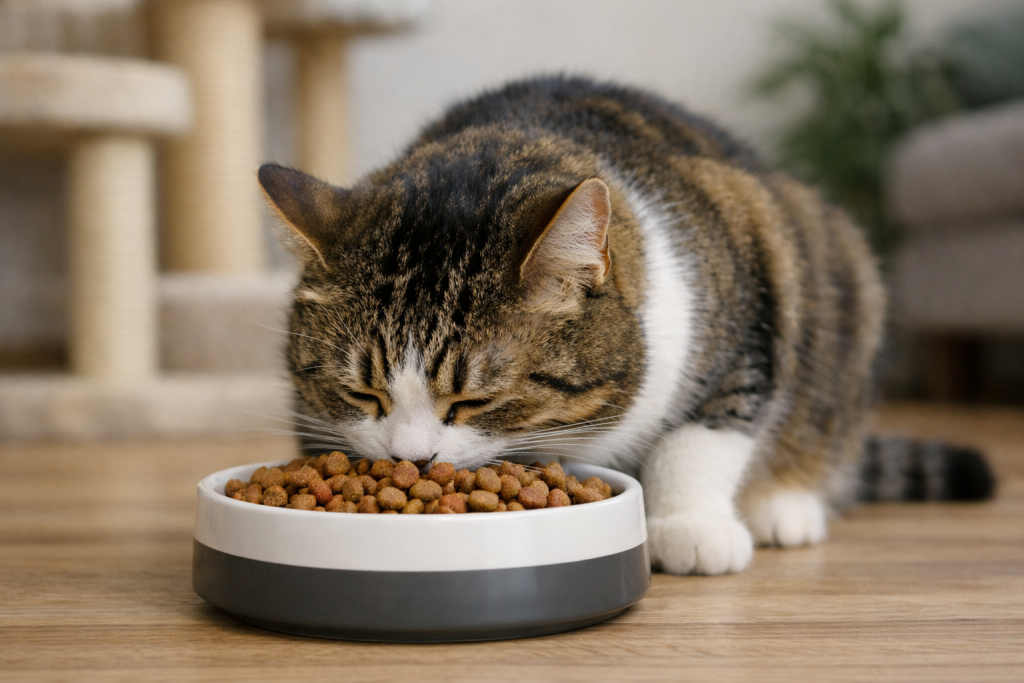
Cats suffering from urinary problems often show subtle signs at first, but these issues can quickly become painful and dangerous if ignored. From bladder crystals to urinary tract infections, the right nutrition plays a major role in protecting your cat’s health and comfort.
Choosing the best cat food for urinary health can feel overwhelming because there are dozens of formulas claiming to be “vet-approved.” The truth is that not all urinary diets are created equally. Some focus on hydration, while others specifically reduce minerals that contribute to crystal formation.
This guide explains how urinary cat food works, what ingredients matter most, warning signs to watch for, and the best cat food options trusted by veterinarians and experienced cat owners.
Why Urinary Health Matters in Cats
Cats naturally have a low thirst drive, which means many of them do not drink enough water daily. Concentrated urine creates the perfect environment for crystals, stones, and urinary tract inflammation.
Urinary problems are especially common in the following:
- Indoor cats
- Overweight cats
- Male cats
- Senior cats
- Cats eating low-quality dry food only
A proper urinary-support diet helps by:
- Controlling urine pH levels
- Reducing magnesium and phosphorus
- Increasing hydration
- Preventing crystal buildup
- Supporting bladder health

Common Signs of Urinary Problems in Cats
Recognizing symptoms early can prevent severe complications. Watch carefully for these warning signs:
- Frequent litter box visits
- Straining during urination
- Crying while urinating
- Blood in urine
- Urinating outside the litter box
- Excessive genital licking
- Reduced appetite
- Lethargy or hiding behavior
Male cats are at a particularly high risk of urinary blockage because of their narrower urethra.
What Makes Cat Food Good for Urinary Health?
The best urinary-support cat food is carefully formulated to reduce stress on the bladder and urinary tract.
Here are the most important features to look for:
Controlled Mineral Content
High levels of magnesium, calcium, and phosphorus can contribute to crystal formation. Quality urinary diets carefully balance these minerals.
Moisture Support
Wet food or hydration-focused formulas help dilute urine naturally. Cats eating wet food often consume significantly more water daily.
Balanced Urine pH
Healthy urinary diets maintain a slightly acidic urine pH, helping prevent struvite crystals from forming.
High-Quality Protein
Cats are obligate carnivores, and protein quality matters. Look for real meat sources instead of excessive fillers.
Added Bladder-Support Nutrients
Some premium formulas include the following:
- Omega-3 fatty acids
- Cranberry extract
- Taurine
- Antioxidants
- Glucosamine
These nutrients help reduce inflammation and support long-term urinary health.
Best Cat Food for Urinary Health
Royal Canin Urinary S/O
This is one of the most veterinarian-recommended urinary diets in the world. It is specifically designed to dissolve struvite stones and reduce the risk of recurrence.
Best Features:
- Supports urine dilution
- Reduced magnesium formula
- Helps dissolve crystals
- Highly researched veterinary diet
It is available in both dry and wet varieties, making it easier for picky cats.
Hill’s Prescription Diet c/d Multicare
Hill’s c/d Multicare is another trusted formula often recommended for cats with chronic urinary issues.
Benefits include:
- Clinically tested nutrition
- Supports bladder health
- Controls mineral levels
- Contains antioxidants
This food is especially helpful for cats prone to recurring urinary crystals.
Purina Pro Plan Urinary Tract Health
Purina offers a more budget-friendly urinary-support formula without sacrificing essential nutrition.
Why cat owners like it:
- Affordable option
- Good taste acceptance
- Supports healthy urine pH
- Available in wet and dry recipes
It can work well for mild urinary sensitivity when recommended by a veterinarian.
Josera Help Urinary Cat Food
Josera’s urinary formula focuses on preventing struvite stones while maintaining balanced nutrition.
Key advantages include the following:
- Reduced magnesium
- Cranberry support
- Balanced phosphorus
- Easy digestion
Many cat owners appreciate its ingredient quality and digestive support.
Reflex Plus Urinary Adult Cat Food
This formula combines urinary care with coat and digestive support.
Highlights:
- Chicken-based protein
- Omega fatty acids
- No artificial preservatives
- Supports hydration and bladder health
It is commonly available in Pakistan and is suitable for long-term feeding.
Wet Food vs Dry Food for Urinary Health
Many veterinarians prefer wet food for cats with urinary concerns because moisture intake is extremely important.
Wet Food Benefits
- Higher water content
- Better urine dilution
- Supports hydration naturally
- Often easier on the bladder
Dry Food Benefits
- More convenient storage
- Cost-effective feeding
- Easier portion control
For many cats, a combination of both works best. Adding fresh water fountains around the home can also encourage hydration.
How to Switch to a Urinary Diet Safely
Sudden food changes may upset your cat’s digestion or cause food refusal. Transition slowly over 7–10 days.
A simple transition schedule:
- Days 1–3: 25% new food
- Days 4–6: 50% new food
- Days 7–8: 75% new food
- Days 9–10: 100% new food
Monitor your cat closely during the transition for vomiting, diarrhea, or appetite changes.
Extra Tips to Protect Your Cat’s Urinary Health
Good nutrition works even better when combined with healthy daily habits.
Encourage More Water Intake
Cats often drink more when water is moving. Water fountains can help increase hydration significantly.
Keep the Litter Box Clean
Dirty litter boxes may cause cats to hold urine longer, increasing urinary stress.
Reduce Stress
Stress can trigger feline urinary problems. Maintain a stable routine and provide quiet resting areas.
Maintain a Healthy Weight
Overweight cats face a greater risk of urinary disease. Portion control and active play are important.
Schedule veterinary checkups.
Routine urine testing helps detect early urinary changes before symptoms worsen.

Ingredients to Avoid in Cat Food
Not every cat food supports urinary wellness. Avoid diets with:
- Excessive fillers
- Artificial dyes
- Very high ash content
- Poor-quality meat by-products
- Excessive salt without veterinary guidance
Reading ingredient labels carefully can make a major difference in your cat’s long-term health.
When to Visit a Veterinarian
Some urinary issues cannot be managed with diet alone. Contact your veterinarian if your cat experiences:
- Complete inability to urinate
- Repeated urinary infections
- Blood in urine
- Severe lethargy
- Vomiting alongside urinary symptoms
Early treatment greatly improves recovery outcomes.

Conclusion
Finding the best cat food for urinary health is one of the most effective ways to support your cat’s bladder and urinary tract. A high-quality urinary diet helps reduce crystal formation, improve hydration, and lower the risk of painful urinary complications.
Focus on moisture-rich nutrition, controlled mineral levels, and gradual dietary changes. Most importantly, monitor your cat closely for symptoms and work with your veterinarian to choose the safest long-term feeding plan.
Frequently Asked Questions (FAQs)
1. What is the best cat food for urinary health?
Veterinary diets like Royal Canin Urinary S/O and Hill’s c/d Multicare are among the most recommended options for urinary support.
2. Can wet food help prevent urinary problems in cats?
Yes. Wet food increases hydration, which helps dilute urine and reduce the risk of crystals and bladder irritation.
3. How long does it take urinary cat food to work?
Some cats show improvement within 2–4 weeks, but severe urinary conditions may require longer treatment and veterinary monitoring.
4. Can healthy cats eat urinary cat food?
Some urinary-support foods are safe for healthy adult cats, but prescription diets should only be used under veterinary guidance.
5. Is dry food bad for cats with urinary problems?
Dry food alone may increase dehydration risk in some cats. Combining dry food with wet food and fresh water is often a better approach.