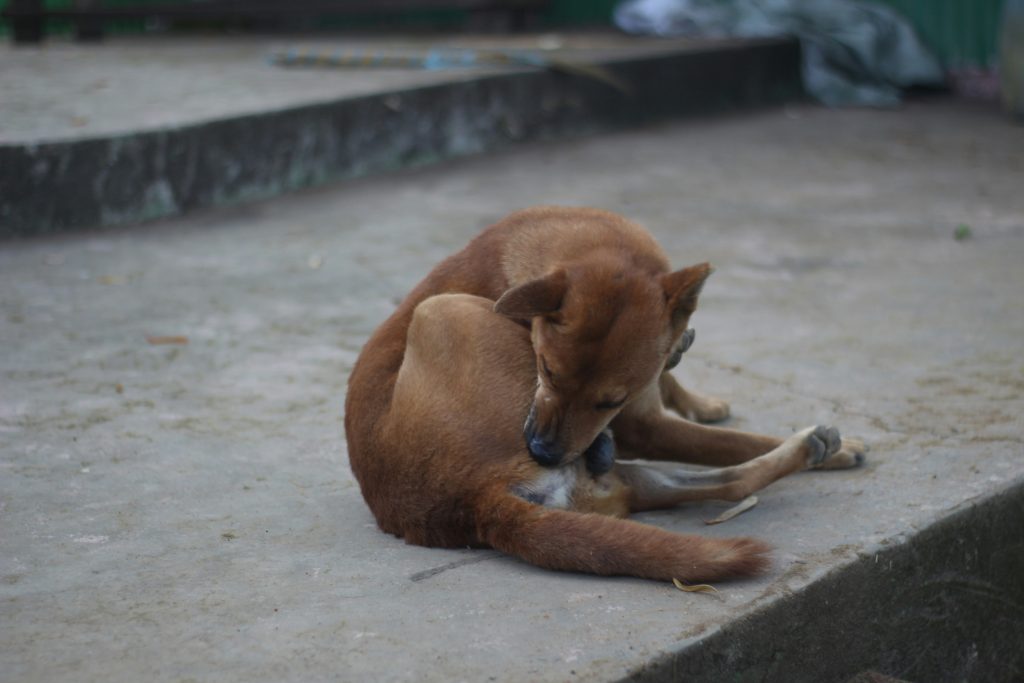
Is your dog constantly licking their paws or scratching until their skin is red and raw? It’s heartbreaking to watch your best friend struggle, especially when you realize the very food in their bowl might be the culprit.
Many pet parents in the USA and UK are dealing with these issues right now. We often think of allergies as “outside” things like pollen or grass, but for many dogs, the problem is much deeper. It’s in the protein, the fillers, or the way their food is processed. Choosing the best dog food for allergies isn’t just about switching brands; it’s about understanding your dog’s unique biological “no-go” list.
In this guide, we are going to dive into itchy skin, sensitive stomachs, and how the right bowl of food can change everything.
Signs Your Dog is Struggling with Food Allergies
Before we look at the food, we have to be certain it’s a food issue. Environmental allergies (like dust) usually happen seasonally. Food allergies happen every single day.
Look for these “red flag” symptoms:
- The Chronic Ear Infection: If your dog’s ears are always red or smelly despite cleaning, it’s often a food reaction.
- Paw Licking: Constant chewing or “corn chip”-smelling paws are a classic sign of food-related yeast overgrowth.
- The “Scoot”: Digestive issues and scooting often point to gut inflammation.
- Hot Spots: Patches of hair loss and red skin on the belly or joints.
What is Actually Causing the Itch?
It might surprise you to learn that most dogs aren’t actually allergic to grains. According to veterinary studies in both the US and the UK, the most common allergens are actually beef, dairy, chicken, and lamb.

Why? These are the most common proteins used in the industry for decades. A dog’s immune system can eventually “overreact” to a protein it sees too often. This is why many owners find success moving toward “novel proteins”—meats the dog has never eaten before, like venison, duck, or kangaroo.
The Different Types of Allergy-Friendly Food
When you start searching for the best dog food for allergies, you’ll see three main categories. Understanding the difference is key to saving money and time.

1. Limited Ingredient Diets (LID)
These recipes use a “Keep It Simple” approach. They usually have one protein source and one carbohydrate source (like salmon and potato). By having fewer ingredients, there is a much lower chance of a reaction.
2. Grain-Free Recipes
Grain-free diets replace these with things like sweet potatoes or chickpeas.
3. Hydrolyzed Protein Diets
This is the high-tech version. Scientists break the protein molecules down so small that the dog’s immune system doesn’t even recognize them as a threat. These are usually prescription-only and are the “gold standard” for extreme cases.
Top Ingredients to Look For
If you want the best dog food for allergies, turn the bag around and look for these “Good Guys”:


- Look for ingredients such as cold-pressed fish oil or ground flaxseed, which are known for their skin-soothing properties. These aren’t just fancy additions; they act as natural anti-inflammatories that help repair a “leaky” skin barrier and stop the constant urge to itch. These natural anti-inflammatories heal the skin from within.
- Novel Proteins: Duck, rabbit, venison, or pollock are excellent because most dogs haven’t developed a sensitivity to them yet.
- Probiotics: A healthy gut equals a healthy immune system. Look for “dried fermentation products” on the label.
- Whole Food Carbs: Pumpkin and sweet potato are much easier on the stomach than corn husks or wheat gluten.
Ingredients to Avoid at All Costs
Finding the best dog food for allergies is also about what you leave out. If you see these, put the bag back:


- “Meat Meal” or “Animal Fat”: If they don’t name the animal (e.g., “Chicken Fat”), it’s a mystery mix that likely contains allergens.
- Artificial Colors: Red 40 or Blue 2 serve no purpose for the dog and are known to trigger skin reactions.
- BHA/BHT: Chemical preservatives that can cause long-term health issues.
- Excessive Fillers: Soy and corn are often used just to bulk up the bag, providing little nutrition while potentially irritating the gut.
How to Run a “Food Trial” (The Scientific Way)
You can’t just switch food overnight and expect the scratching to stop. The Detox Period: Don’t expect a miracle overnight. Even after you swap the kibble, lingering proteins from the old food can stay active in your dog’s tissues for weeks. It’s a bit like a detox—their system needs a clear runway to flush out the triggers before the healing truly begins.
- The 7-Day Transition: Mix the new food with the old food slowly to avoid diarrhea.
- The 8-Week Lock-In: It takes roughly 6 to 12 weeks to see a skin change. During this time, your dog cannot have any other treats, table scraps, or flavored chews. One piece of cheese can ruin the whole trial!
- Observe and Record: Take photos of your dog’s skin on Day 1 and Day 60. The difference is often amazing.
Cost vs. Value: Is it Worth the Price?
Yes, the best dog food for allergies costs more per bag than the grocery store brands. However, think about the “hidden costs” of cheap food:

- Vet visits for ear infections ($100+ per visit).
- Steroid creams and Apoquel pills ($50–$100 per month).
- Beyond the money, there is the heavy weight of watching your companion suffer. The restless nights spent listening to them chew their paws take a toll on your peace of mind, making a dietary fix a massive win for your mental health, too.
Higher-quality food is more nutrient-dense, meaning you often feed about 20% less per day than you would with a filler-heavy brand.
Conclusion: A Future Without the Itch
Finding the best dog food for allergies is a journey of trial and error, but the reward is a happy, quiet, and comfortable dog. By focusing on novel proteins, avoiding mystery fillers, and being patient during the transition, you can stop the cycle of scratching and vet visits.
Your dog relies on you to be their detective. Look at that label today—their skin will thank you tomorrow!
Frequently Asked Questions (FAQs)
1. Can my dog suddenly develop an allergy to a food they’ve eaten for years?
Yes! In fact, that is how most allergies start. The immune system gets “bored” or over-exposed to the same protein over the years and starts treating it as an invader.
2. Is a raw diet better for allergies?
It can be beneficial, as it eliminates many preservatives. However, you must be careful about bacterial balance and ensure the recipe is nutritionally complete.
3. Will the best dog food for allergies also help with smelly breath?
Often, yes! Poor digestion or low-quality grain fillers often cause difficult breathing. A cleaner diet usually leads to better oral health.
4. Why is my dog still scratching after switching to a better food?
It could be two things: either they are also allergic to the “new” protein, or they have environmental allergies (e.g., pollen or mites). Consult your vet if you see no change after 10 weeks.
5. Is there a difference between “Natural” and “Hypoallergenic” labels?
Absolutely. Think of it this way: “Natural” is about the purity of the ingredients (meaning no fake colors or chemical preservatives). “Hypoallergenic” is about the selection of the ingredients. A bag of food can be 100% natural but still be full of beef and dairy—two things that might set your dog’s allergies off. For a dog with a sensitive system, it’s crucial to choose a food that meets both criteria.