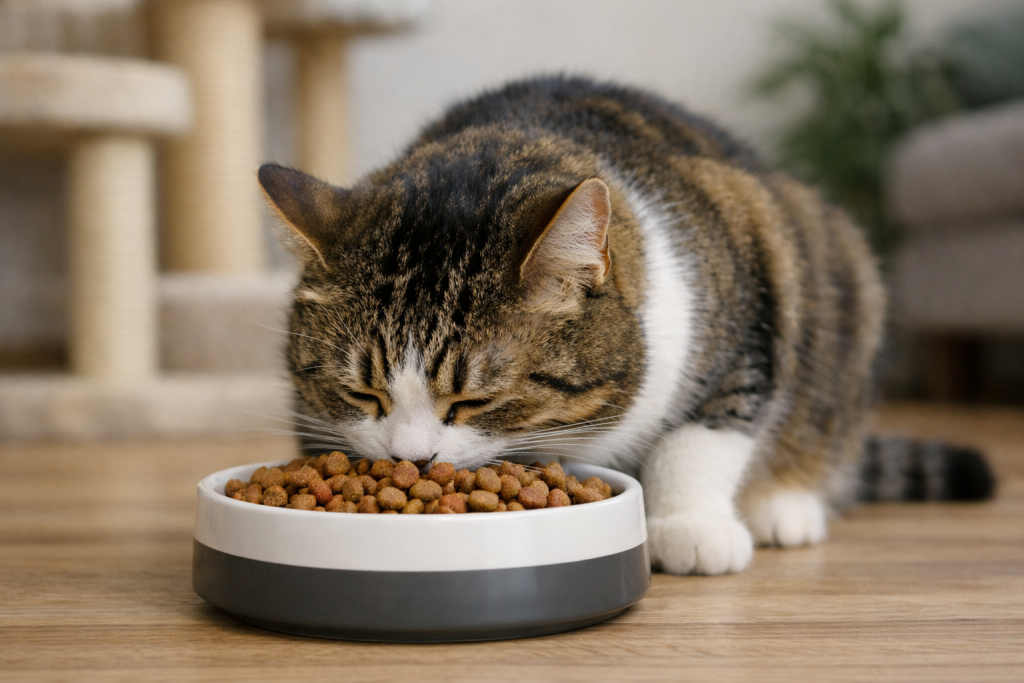
Cats with sensitive stomachs can turn mealtime into a daily struggle. Frequent vomiting, diarrhea, gas, poor appetite, or loose stools are often signs that your cat’s digestive system is not handling their food properly. The good news is that choosing the best cat food for sensitive stomach problems can significantly improve digestion, nutrient absorption, and overall health.
Many pet owners assume occasional vomiting is normal for cats. However, vomiting more than once per week or persistent digestive upset should never be ignored. A carefully selected diet with highly digestible proteins, moderate fat levels, and gut-supporting nutrients can make a huge difference.
In this guide, you’ll learn exactly what to look for in sensitive stomach cat food, which ingredients help digestion, and the best food types for kittens, adults, and senior cats.
What Causes a Sensitive Stomach in Cats?
A sensitive stomach is not a disease itself. It is usually a symptom of an underlying digestive issue.
Common causes include:
- Food intolerances
- Sudden diet changes
- Low-quality ingredients
- Hairballs
- Food allergies
- Intestinal parasites
- Inflammatory bowel disease (IBD)
- Stress and anxiety
- Eating too quickly
Some cats also struggle with artificial additives, excessive carbohydrates, or poor-quality protein sources.
Important: If your cat experiences chronic vomiting, blood in stool, rapid weight loss, or refuses food for more than 24 hours, contact your veterinarian immediately.

Signs Your Cat Needs Sensitive Stomach Food
Digestive issues are not always obvious at first. Watch for these common symptoms:
- Frequent vomiting
- Loose stool or diarrhea
- Excessive gas
- Poor coat quality
- Reduced appetite
- Constipation
- Weight loss
- Stomach noises after eating
Cats are excellent at hiding discomfort, so even mild symptoms should be monitored carefully.
What Makes Sensitive Stomach Cat Food Different?
The best cat foods for digestive health are specially formulated to reduce irritation and improve nutrient absorption.
Key features include the following:
- Highly digestible animal proteins
- Limited ingredient formulas
- Moderate fat content
- Prebiotics and probiotics
- Omega-3 fatty acids
- Gentle fiber sources
Unlike standard cat food, sensitive stomach recipes focus on supporting the gut microbiome while reducing digestive stress.
Best Ingredients for Cats With Sensitive Stomachs
Choosing the right ingredients is critical for long-term digestive support.
Highly Digestible Proteins
Cats are obligate carnivores, meaning they digest animal protein better than plant-heavy diets.
Look for:
- Chicken
- Turkey
- Salmon
- Duck
- Rabbit
Single-protein recipes often work best for sensitive cats.
Prebiotics and Probiotics
These ingredients support healthy gut bacteria and improve digestion.
Helpful examples include:
- Chicory root
- Lactobacillus
- Dried beet pulp
- Inulin
Prebiotics help feed beneficial gut bacteria, while probiotics restore digestive balance.
Omega-3 Fatty Acids
Fish oil and salmon oil help reduce inflammation inside the digestive tract.
Benefits include:
- Improved stool quality
- Reduced irritation
- Better skin and coat health
Gentle Fiber Sources
Fiber helps regulate bowel movements and supports gut health.
Good options include:
- Pumpkin
- Oatmeal
- Beet pulp
- Psyllium husk
Ingredients to Avoid
Some ingredients may trigger digestive upset or worsen symptoms.
Avoid foods with:
- Artificial colors
- Chemical preservatives
- Excessive fillers
- Large amounts of corn or soy
- By-product-heavy low-quality formulas
- Unidentified meat sources
Cheap fillers often increase inflammation and reduce digestibility.

Wet vs Dry Food for Sensitive-Stomach Cats
Both wet and dry food have advantages, but wet food is usually easier to digest.
Wet Food Benefits
- Contains around 75–78% moisture
- Helps prevent dehydration
- Easier on the digestive system
- Higher protein content
- Lower carbohydrate levels
Wet food is especially helpful for cats with vomiting or diarrhea.
Dry Food Benefits
- More affordable
- Convenient to store
- Helps some cats maintain dental health
- Easier for scheduled feeding
If feeding dry food, choose highly digestible recipes with quality animal proteins.
Best Cat Food Options for Sensitive Stomachs
Here are the most recommended food types veterinarians often suggest.
Limited Ingredient Diets
These foods reduce the number of ingredients, lowering the risk of food reactions.
Best for:
- Food sensitivities
- Mild digestive upset
- Cats with recurring vomiting
Grain-Free Formulas
Some cats digest grain-free recipes better, though not all cats require grain-free food.
Focus on:
- High protein
- Moderate fat
- Digestible carbohydrates
Prescription Gastrointestinal Diets
For severe digestive conditions, veterinarians may recommend prescription diets.
These diets are designed for:
- Chronic diarrhea
- IBD
- Severe food allergies
- Gastrointestinal inflammation
Best Feeding Tips for Cats With Sensitive Stomachs
Changing food alone may not completely solve digestive issues.
Follow these feeding practices:
Transition Slowly
Switch foods gradually over 7–10 days.
A sudden diet change can worsen stomach upset.
Feed Smaller Meals
Offer 3–4 smaller meals daily instead of one large feeding.
This helps reduce vomiting and improve digestion.
Avoid Frequent Food Changes
Cats thrive on consistency. Constantly rotating foods may disrupt gut bacteria.
Keep fresh water available.
Hydration is essential for healthy digestion and stool quality.
Sensitive Stomach Food for Kittens
Kittens have delicate digestive systems and higher nutritional needs.
Choose foods with:
- At least 30% protein
- DHA for brain development
- Easily digestible meat proteins
- Moderate fat levels
Persistent diarrhea in kittens should always be evaluated by a veterinarian.
Sensitive Stomach Food for Senior Cats
Senior cats often develop digestive sensitivities due to aging and underlying medical conditions.
Look for:
- Moderate protein levels
- Omega-3 fatty acids
- Added joint support
- Easy-to-chew textures
Older cats with kidney disease may require specialized diets, so veterinary guidance is important.
How Long Does Sensitive Stomach Cat Food Take to Work?
Some cats improve within 2–4 weeks after switching foods.
However, severe digestive issues may take longer to stabilize.
Consistency is key. Avoid changing foods too quickly during the adjustment period.
When to See a Veterinarian
Dietary changes help many cats, but some symptoms require medical attention.
See your vet if your cat has:
- Bloody diarrhea
- Repeated vomiting
- Rapid weight loss
- Extreme lethargy
- Refusal to eat
- Dehydration
Digestive symptoms can sometimes indicate serious medical conditions.

Conclusion
Finding the best cat food for sensitive stomach issues can dramatically improve your cat’s comfort, digestion, and quality of life. Focus on highly digestible animal proteins, gut-friendly fibers, omega-3 fatty acids, and consistent feeding habits.
Every cat is different, so it may take some trial and error to find the ideal diet. If symptoms continue despite dietary changes, consult your veterinarian for a complete digestive evaluation.
A healthy stomach means a happier, more energetic cat.
Frequently Asked Questions (FAQs)
1. What is the best protein for cats with sensitive stomachs?
Highly digestible proteins like chicken, turkey, salmon, and rabbit are usually easiest for cats to digest.
2. Is wet food better for cats with sensitive stomachs?
Yes. Wet food contains significantly more moisture and is often easier for sensitive cats to digest.
3. How do I know if my cat has a food allergy or a sensitive stomach?
Food allergies often cause skin irritation along with digestive problems, while sensitive stomachs mainly affect digestion.
4. Can probiotics help cats with digestive problems?
Yes. Probiotics support healthy gut bacteria and may improve stool quality, digestion, and nutrient absorption.
5. How long should I feed sensitive stomach cat food?
Many cats benefit from long-term use, especially if digestive symptoms improve and remain stable on the diet.