If you have recently brought home a new puppy, you likely know the “land shark” phase all too well. Those tiny, needle-like teeth seem to find everything your sneakers, the rug, and even your fingers. Finding the best chew toys for puppies isn’t just about entertainment; it is about survival for your household items and comfort for your growing dog.
Welcoming a new puppy into your home is an exciting milestone, but it quickly brings the challenge of managing those sharp, restless “land shark” teeth. Finding the right tools for this stage is about more than just fun; it is a vital step in protecting your home and ensuring your pup’s comfort.
During the intense teething phase, puppies experience significant physical discomfort as their adult teeth begin to emerge. Providing high quality teething outlets helps soothe their inflamed gums and prevents them from turning to your furniture or shoes for relief.
This guide explores the top rated durable materials and safety-tested designs available in 2026 to help you navigate your puppy’s biological need to chew. By choosing the right variety of textures and styles, you can support your dog’s development while maintaining a stress-free household.

Why Puppies Have a Biological Need to Chew
Chewing is not “bad behavior.” For a puppy, it is a sensory experience and a physical necessity. Between three and six months of age, your puppy goes through a massive physiological shift: teething. Their adult teeth are pushing through their gums, which causes significant discomfort and inflammation.
The Teething Phase Explained
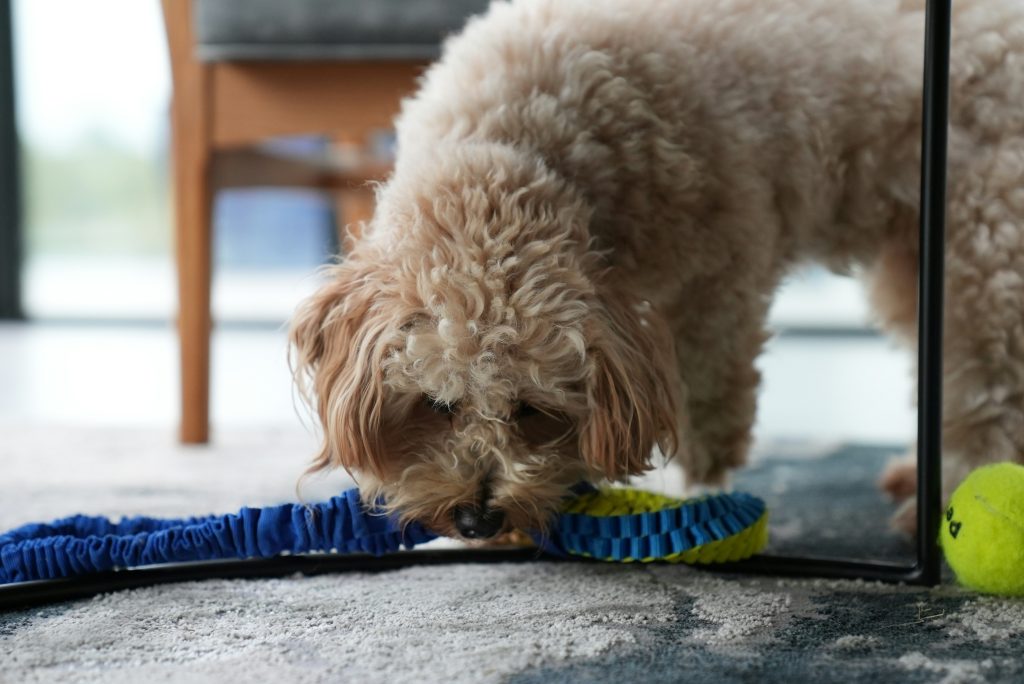
Much like human babies, puppies chew to apply pressure to their gums, which helps dull the pain of erupting teeth. If you don’t provide the best chew toys for puppies, they will naturally seek out something with a similar texture, which usually ends up being the corner of your expensive coffee table.
Exploratory Learning
Puppies don’t have hands; they have mouths. They learn about the world by tasting and feeling textures. A puppy who chews on different types of toys is actually developing their brain and learning to distinguish between what is “theirs” and what belongs to the “humans.”
Anxiety and Boredom Relief
Moving to a new home is stressful. Chewing releases endorphins in a dog’s brain, which helps them self-soothe. Whether it’s separation anxiety or just a rainy day with no walk, a good chew session keeps their mind occupied and their stress levels low.
What Makes the Best Chew Toys for Puppies?
Not all toys are created equal. In the USA and UK markets, you will see thousands of options, but safety should always be your top priority. A toy that is too hard can break a puppy’s fragile baby teeth, while a toy that is too soft can be swallowed.
The “Thumbnail Test” for Safety
A great rule of thumb (literally) is to press your thumbnail into the toy. If the material “gives” slightly, it is likely safe for a puppy. If it is as hard as a rock (like some Nylabones or natural marrow bones), it might be too tough for those primary teeth.
Material Matters: Rubber vs. Fabric vs. Nylon
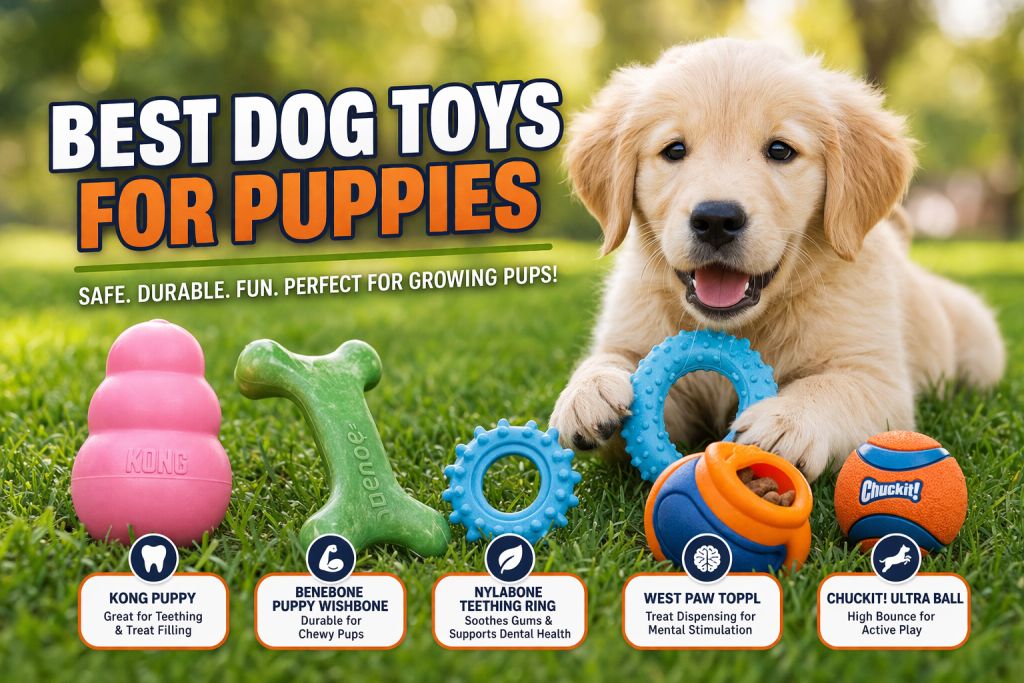
- Natural Rubber: Generally, the best chew toys for puppies because they are durable yet bouncy. Brands like KONG use a specialized “Puppy Rubber” formula that is softer than their adult versions.
- Soft Plush: Great for snuggling, but be careful. Puppies can easily rip these open and swallow the stuffing or squeakers.
- TPE (Thermoplastic Elastomer): A modern, non-toxic material used in many 2026 puppy toys. It is flexible, recyclable, and easy on the gums.
Top Categories of the Best Chew Toys for Puppies

To keep your puppy engaged, you should offer a variety of textures. Here is a breakdown of the most effective categories for teething relief.
1. Freezable Teething Toys
Cold is a natural anesthetic. Many of the best chew toys for puppies are designed to be soaked in water or stuffed with wet food and frozen. The cold temperature numbs the gums, providing instant relief from teething pain.
2. Interactive Treat Dispensers
Why give a meal in a bowl when you can make it a game? Toys that hide kibble or peanut butter keep a puppy’s brain busy for 20 to 30 minutes. This “mental enrichment” is just as tiring for a puppy as a walk around the block.
3. Texture-Rich Rubber Rings
Puppies love “nobby” textures. Toys with ridges and bumps massage the gums as the puppy chews. This helps clean the teeth and keeps the puppy interested in the toy for longer periods.
| Feature | Puppy Rubber Toy | Plush Squeaky Toy | Rope Toy |
| Durability | Very High | Low | Medium |
| Teething Relief | Excellent | Poor | Good |
| Supervision Level | Low | High | Medium |
| Cleaning | Dishwasher Safe | Machine Washable | Hand Wash |
How to Avoid “The Land Shark” Phase: Training Tips
Providing the best chew toys for puppies is only half the battle. You also need to teach your puppy what is appropriate to chew.
- The Trade-Up Strategy: If you catch your pup with your shoe, don’t just yell. Approach them with their favorite chew toy and “trade” them. When they take the toy, give them lots of praise.
- Toy Rotation: Don’t dump 20 toys on the floor at once. Give them 3 or 4, and swap them out every few days. This makes “old” toys feel new again.
- Supervised Play: Never leave a new puppy alone with a toy for the first time. Watch how they interact with it to ensure they aren’t trying to swallow large pieces.
Critical Safety Warning: Toys to Avoid
While we search for the best chew toys for puppies, we must also identify “danger” items that are commonly sold but can be harmful.
- Cooked Bones: Never give a puppy cooked bones from your dinner. They splinter and can puncture the digestive tract.
- Rawhide: Traditional rawhide is often processed with harsh chemicals and can cause major intestinal blockages if swallowed in large chunks.
- Small Objects: Anything that can fit entirely inside the puppy’s mouth is a choking hazard. Always buy a size up if you are unsure.
Understanding the Keyword: Best Chew Toys for Puppies
When searching for the best chew toys for puppies, it is important to look at reviews from 2026 to ensure the materials haven’t changed. The pet industry is constantly innovating, and newer “smart toys” are becoming popular. These toys can track how much a puppy is chewing and alert you via an app if they are being too destructive, which might indicate stress or a dental issue
Maintaining Your Puppy’s Toy Box

Even the best chew toys for puppies don’t last forever. Check your puppy’s toys weekly for signs of wear and tear.
- Discard if you see deep cracks in rubber, loose stuffing, or frayed rope strands.
- Clean Regularly: Rubber toys can go in the top rack of the dishwasher. Fabric toys should be washed in pet-safe detergent. Bacteria buildup on toys can lead to “puppy acne” or stomach upsets.
Conclusion
Finding the best chew toys for puppies is a journey of trial and error. Every pup has a different “chewing style” some are “nibblers” who gently gnaw, while others are “destroyers” who want to take everything apart. By providing a mix of frozen teething aids, durable rubber dispensers, and supervised play, you are setting your puppy up for a lifetime of healthy dental habits.
Investing in high-quality toys now will save you a fortune in replaced shoes and furniture later. More importantly, it helps your puppy navigate the painful teething process with less stress and more fun. A puppy that has the right outlet for their energy is a puppy that is easier to train and bond with.
As your puppy grows into an adult, keep an eye on how their chewing habits change. The transition from puppy rubber to adult-strength rubber usually happens around 9 to 12 months. Stay proactive, keep the toy box rotated, and enjoy this energetic stage of your dog’s life. Before you know it, those needle teeth will be replaced by a beautiful adult smile!
FAQs Section
1. How many chew toys does a puppy need?
Ideally, you should have about 10 to 15 toys in total, but only leave 3 or 4 out at a time. This prevents “toy boredom” and keeps the puppy excited when you rotate a “new” toy back into the mix.
2. Is it okay for puppies to chew on sticks?
While it looks natural, sticks are actually quite dangerous. They can splinter in the mouth, cause infections, or lead to intestinal blockages. It is much safer to get a “wood-alternative” chew toy made specifically for dogs.
3. When is the most intense period for puppy chewing?
The “peak” chewing age is usually between 4 and 6 months when the adult molars are coming in. This is when having the best chew toys for puppies is most critical.
4. Can I give my puppy an old shoe to chew on?
Absolutely not! If you give a puppy an old shoe, you are teaching them that shoes are toys. They won’t understand the difference between your old sneaker and your brand-new designer boots.
5. How do I clean rubber puppy toys?
Most high-quality rubber toys can be placed in the top rack of a dishwasher. Alternatively, soak them in a mixture of warm water and white vinegar to kill bacteria without using harsh chemicals.