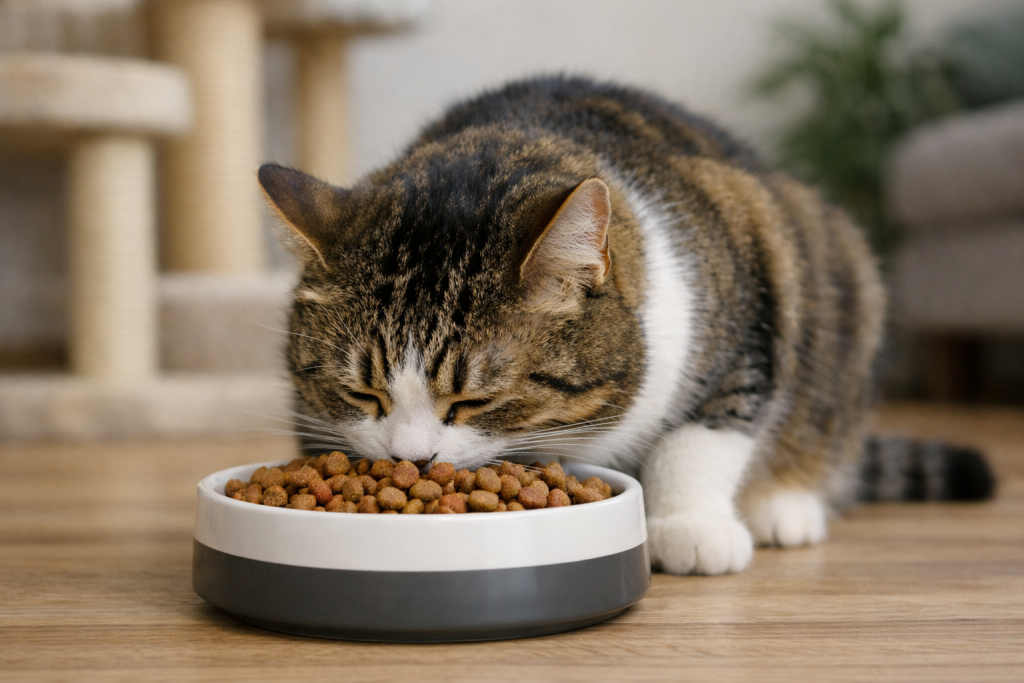
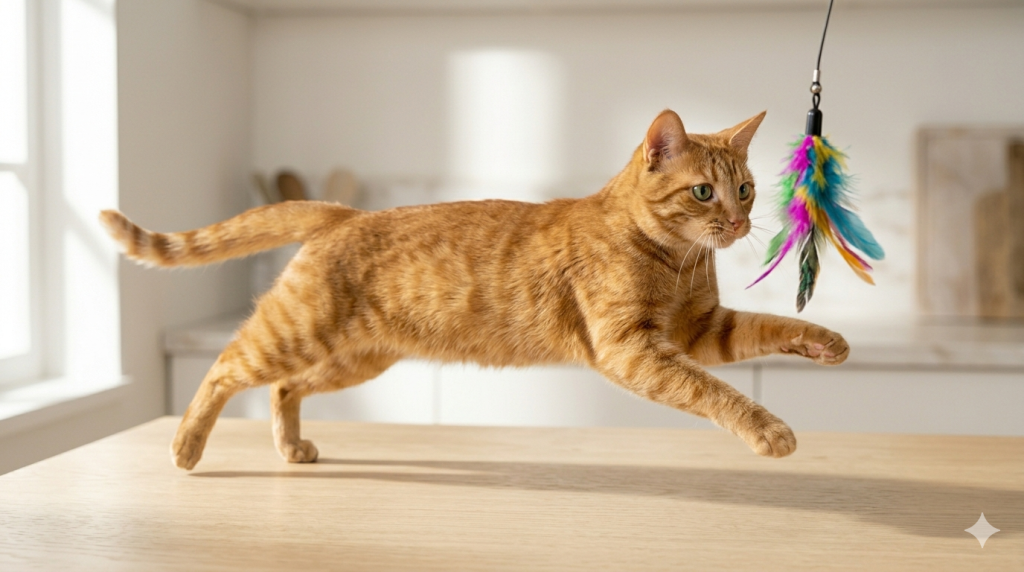
Is your once-energetic kitten now spending more time napping in sunbeams than chasing laser pointers? It happens to the best of us, or not. As our feline companions cross the threshold into their golden years usually around age seven to ten their bodies undergo subtle but significant changes. One of the most impactful ways you can support them is through their bowl.
Finding the right cat food for senior cats isn’t just about switching labels; it’s about understanding their evolving biology. Whether they are slowing down, losing weight, or becoming a bit more “vocal” about their dinner preferences, your choice of nutrition is the foundation of their senior wellness.
In this guide, we’ll dive deep into everything you need to know about feeding your aging cat, from calorie management to the specialized nutrients that keep those purrs coming for years.

1. When Does a Cat Officially Become a “Senior”?
Before we talk about ingredients, let’s define the age. In the veterinary world, cats are generally considered “mature” at age 7 and “senior” once they hit 11. By age 15, they are often referred to as “super-seniors.”
Just like humans, cats don’t age at the same rate. However, around age seven, their metabolism starts to shift. Some cats become less efficient at digesting fats and proteins, while others might start putting on “retirement weight” because they aren’t burning as many calories as they used to.
The Changing Feline Body
As cats age, you might notice the following:
- Reduced Activity: Less jumping, more lounging.
- Dental Issues: Sensitivity to hard kibble.
- Organ Function: The kidneys and heart have to work a little harder.
- Sensory Decline: A duller sense of smell or taste can lead to “fussy” eating.
2. Key Nutritional Requirements for Aging Felines
Choosing cat food for senior cats requires looking for a specific balance of nutrients. Here is what you should prioritize:
High-Quality Protein

There is a common myth that senior cats need less protein. In reality, unless your vet has diagnosed your cat with advanced kidney disease, senior cats actually need high quality protein to prevent muscle wasting (sarcopenia). Look for real meat (chicken, turkey, or fish) as the first ingredient.
Controlled Phosphorus Levels
Kidney health is a major concern for older cats. High levels of phosphorus can put extra strain on the kidneys. Many senior-specific formulas are designed with slightly lower phosphorus levels to protect renal function while maintaining high protein levels.
Healthy Fats and Omega Fatty Acids
Omega-3 and Omega-6 fatty acids (often from fish oil) are vital. They act as natural anti-inflammatories, which is a lifesaver for cats dealing with arthritis or stiff joints. Plus, they keep that senior coat looking shiny and soft.
Increased Fiber
Older cats are more prone to constipation and digestive sluggishness. A bit of extra fiber helps keep things moving smoothly.
Hydration is critical.
Senior cats often lose their thirst drive. This is why many experts recommend incorporating wet cat food into their diet. The high moisture content supports kidney health and prevents dehydration.
3. Wet Food vs. Dry Food: Which is Better?
The “kibble vs. canned” debate takes on new meaning in the senior years.
The Case for Wet Food
Most vets lean toward wet food for seniors because it is
- Texture: It’s easier on sensitive teeth and gums.
- Aroma: It smells stronger, which helps encourage cats with a fading sense of smell to eat.
- Moisture: It provides essential hydration that kibble lacks.
The Case for Dry Food
Dry food can still be part of the diet if your cat prefers it, but look for smaller, “easy to crunch” kibble designs. If your cat has dental issues, you can soak the kibble in warm water or low-sodium chicken broth to soften it up.
4. Addressing Common Senior Health Issues through Diet

Arthritis and Joint Pain
If your cat is hesitant to jump onto the sofa, look for food containing glucosamine and chondroitin. These supplements help repair cartilage and reduce inflammation in the joints.
Weight Management
Obesity is a major risk factor for diabetes in older cats. If your cat has a “pouch” that’s getting a bit too close to the floor, look for a “Senior Weight Management” formula. These are lower in calories but still high in volume to keep them feeling full.
Kidney Disease (CKD)
If your vet mentions “renal insufficiency,” you will likely need a prescription diet. These foods are highly specialized, with very low phosphorus and strictly controlled protein types to reduce the workload on the kidneys.
5. Tips for Feeding a Fussy Senior Cat
Is your cat turning their nose up at their bowl or not? Try these human-friendly hacks:
Warm it up: Microwaving wet food for 5 10 seconds releases the aromas. (Always check the temperature before serving!)
Raise the bowl: Using an elevated feeding dish can help cats with neck or back arthritis eat more comfortably.
Toppers: Add a spoonful of plain, unsalted tuna or a sprinkle of nutritional yeast (the “catnip” of flavors) to entice them.
6. Comparison Table: What to Look For
| Feature | Mature Cats (7–10 years) | Senior Cats (11+ years) |
| Calorie Needs | Often lower (prevent obesity) | Often higher (prevent weight loss) |
| Protein | High quality | High quality & easily digestible |
| Primary Goal | Weight & Joint Health | Kidney support & Muscle mass |
| Best Format | Mixed (Dry & Wet) | Primarily Wet Food |
Conclusion: Investing in the Golden Years
Choosing the right cat food for senior cats is one of the most loving things you can do for your pet. By focusing on high-quality protein, hydration, and joint support, you aren’t just feeding them you are fueling their comfort and longevity.

Every cat is an individual. What works for a Maine Coon in Manchester might not be the same for a Siamese in Seattle. Watch your cat’s weight, monitor their energy levels, and don’t be afraid to experiment with textures until you find “the one.”
7. Frequently Asked Questions (FAQs)
Q1: Can I give my senior cat kitten food to help them gain weight?
A: While kitten food is high in calories, it is often too high in phosphorus and calcium for a senior cat’s kidneys. It’s better to use a calorie-dense “senior” formula or a “recovery” diet recommended by your vet.
Q2: How many times a day should I feed my older cat?
A: Smaller, more frequent meals (3 ,4 times a day) are often better for senior digestion than one or two large meals.
Q3: Are “Senior” labels on cat food regulated?
A: Not strictly. Most “senior” foods are just lower in calories. Always check the ingredient list for specific additions like omega-3s or glucosamine.
Q4: My cat is drinking a lot more water than usual. Is that the food?
A: Increased thirst in senior cats is often a sign of kidney issues or diabetes. You should consult a vet for a blood test.
Q5: Is grain-free cat food better for seniors?
A: Not necessarily. Unless your cat has a specific grain allergy, high-quality grains provide necessary fiber. The focus should be on protein quality rather than the absence of grains.
Q6: Should I give my senior cat supplements?
A: Many senior cat foods already include supplements. Always talk to your vet before adding extra vitamins, as too much of certain nutrients (like vitamin D) can be harmful.