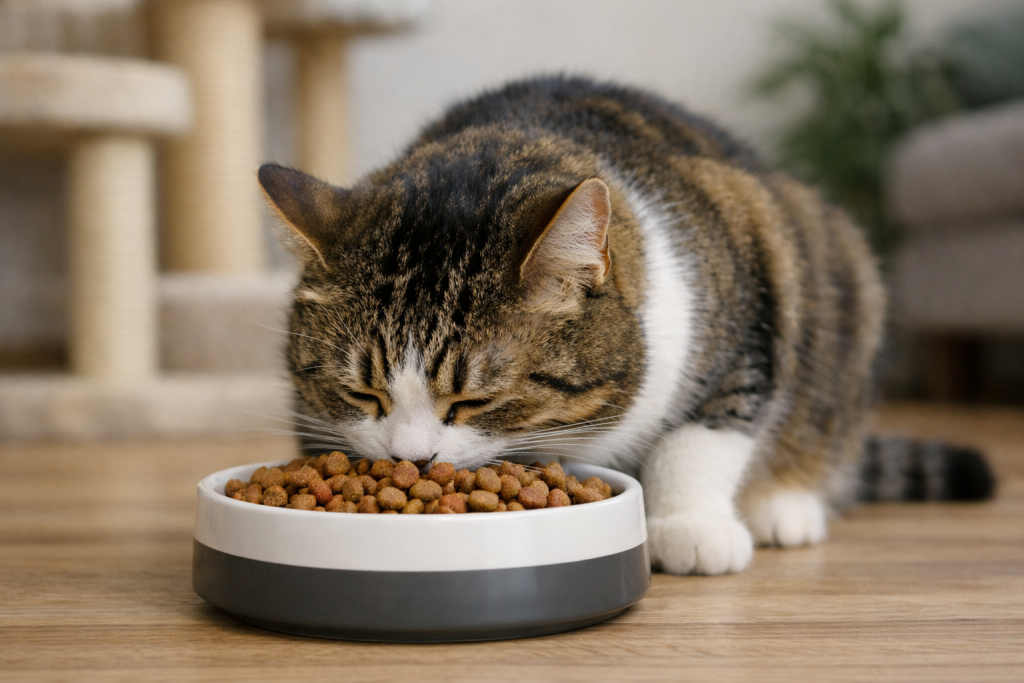
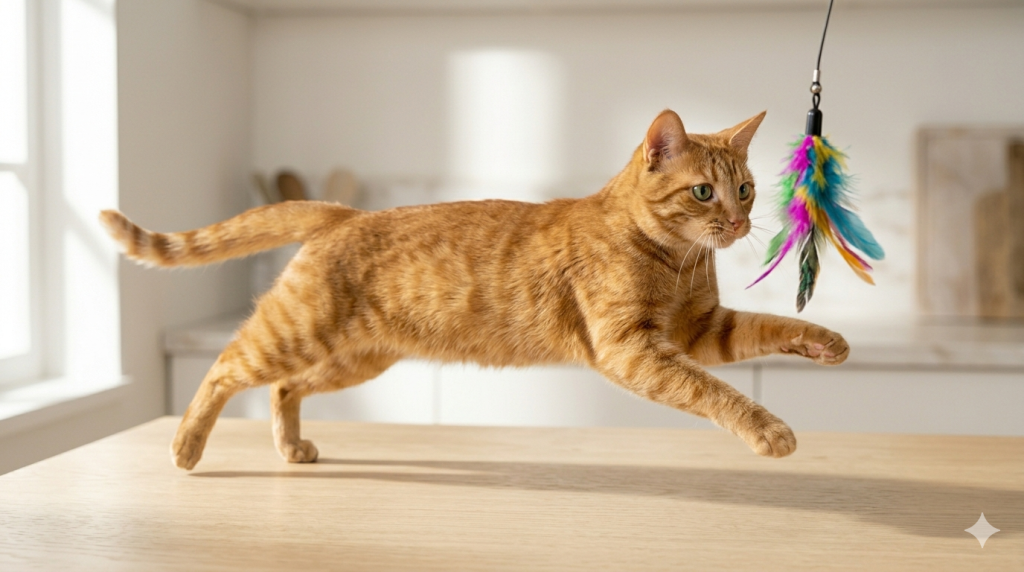
Bringing a tiny, purring ball of fur into your home is one of life’s greatest joys. Those big eyes and clumsy pounces are adorable, but behind all that cuteness is a body working overtime to grow. Providing the right cat food for kittens is the single most important thing you can do to ensure your new best friend lives a long, vibrant life.
Welcoming a tiny kitten into your home is an exciting journey, but their rapid growth requires more than just standard care. Providing specialized nutrition is the most critical step you can take to ensure your new companion develops into a strong, healthy adult.
Kittens are biological powerhouses that require a specific balance of high protein, healthy fats, and essential minerals like calcium. Unlike adult maintenance diets, dedicated kitten formulas provide the dense caloric energy needed to fuel their constant play and skeletal development.
This 2026 guide breaks down everything from ingredient labels to feeding schedules to help you navigate the many options available. By focusing on high quality nutrients like DHA and animal-based proteins, you are building a vital foundation for your cat’s lifelong well being.

Why specialized cat food for kittens is a non-negotiable
You might look at a bag of adult cat food and think, “It’s all just meat, right?” Not exactly. Kittens are biological powerhouses. During their first six months, they grow at a rate that is nearly twenty times faster than a human baby. This rapid development requires a very specific “fuel mix” that adult maintenance food simply cannot provide.
High energy demands for high energy play
Kittens are famous for their “zoomies.” This isn’t just personality; it’s a sign of a high metabolic rate. Per pound of body weight, a kitten needs roughly double the calories of an adult cat. If you feed them standard adult food, they would have to eat massive quantities just to meet their energy needs, which can lead to bloating and digestive upset.The building blocks of life: Protein
In the world of cat food for kittens, protein is king. Kittens need high levels of protein to build muscle tissue, skin, and fur. More importantly, they need specific amino acids like taurine. While adults need these too, kittens have a much narrower margin for error. A deficiency in these areas during the growth phase can lead to permanent heart or vision issues.
Precision minerals for skeletal growth
Kittens are born with soft bones that slowly calcify as they grow. To do this properly, they need a precise ratio of calcium to phosphorus. Adult cat food often has lower levels of these minerals. Without the right balance found in dedicated kitten formulas, a young cat might develop “rubber jaw” or brittle bones that fracture easily during normal play.
What to look for on a kitten food label

Navigating the pet food aisle in the USA or UK can be overwhelming. Whether you are looking at brands at Walmart or scouring a local pet shop in London, the label tells the true story.
Identifying “Complete and Balanced”
In the USA, look for the AAFCO (Association of American Feed Control Officials) statement. In the UK, the FEDIAF (European Pet Food Industry Federation) provides similar guidelines. You want a label that specifically says the food is formulated for the “Growth Stage” or “All Life Stages.”
The “First Three” Rule
Always check the first three ingredients. In high-quality cat food for kittens, these should be named animal proteins.
- Good: Chicken, Turkey, Deboned Salmon, Chicken Meal.
- Avoid: “Meat by-products,” “Animal derivatives,” or generic “Poultry meal.”
Brain and eye development: DHA
Docosahexaenoic Acid (DHA) is an Omega-3 fatty acid naturally found in mother’s milk. High-
quality kitten foods add this (often via fish oil) to support brain development. Kittens getting adequate DHA are often more alert and show better cognitive function during their “learning phase.”
Comparing Nutrients: Kitten vs. Adult Requirements
To understand why you need specific food, let’s look at the nutritional density required for growth.
| Nutrient | Kitten Requirement (Growth) | Adult Requirement (Maintenance) |
| Minimum Protein | 30% – 35% | 25% – 28% |
| Minimum Fat | 18% – 22% | 10% – 15% |
| Calcium | 1.0% – 1.2% | 0.6% |
| Phosphorus | 0.8% – 1.0% | 0.5% |
| Caloric Density | Very High | Moderate |
The wet vs. dry debate: Finding the right balance
One of the most common questions new owners ask is whether they should stick to kibble or cans. The truth is that a “mixed feeding” approach is often the gold standard for cat food for kittens.
The Case for Wet Food
- Hydration: Cats have a low thirst drive. Wet food is roughly 75% water, which keeps their kidneys healthy.
- Texture Training: Kittens who only eat dry food can become “texture fixated,” making it hard to switch them to wet food later in life if they get sick.
- Palatability: It smells better and is easier on tiny baby teeth.
The Case for Dry Food
- Convenience: It can be left out for a few hours (though not all day) for kittens who like to graze.
- Energy Density: Kibble is very calorie-dense, helping high-energy kittens get the calories they need in smaller volumes.
- Dental Health: Crunching on kibble can help remove some plaque, though it isn’t a “magic brush.”
Decoding the best cat food for kittens: Top ingredients to avoid

While we’ve focused on what to add, knowing what to avoid is just as vital. The pet food industry sometimes uses “fillers” to keep costs down, but these provide zero nutritional value to your growing pet.
- Artificial Colors: Kittens don’t care if their food is red or green. These dyes are only there to appeal to human eyes and can sometimes cause allergic reactions.
- Excessive Corn and Soy: While not “toxic,” these are cheap fillers. Cats are obligate carnivores; they thrive on meat, not a cornfield.
- Chemical Preservatives: Look for natural preservatives like Vitamin E (tocopherols) or rosemary extract instead of BHA or BHT.
- Carrageenan: Often found in wet foods to thicken the gravy, some studies suggest it can cause intestinal inflammation in sensitive kittens.
Feeding schedules: How much and how often?
A kitten’s stomach is about the size of a walnut. They cannot eat a whole day’s worth of food at once. If they overeat, they will likely vomit it right back up.
The “Little and Often” Strategy
- 6 to 12 weeks: 4 meals a day.
- 2 to 6 months: 4 meals a day.
- 6 months to 1 year: 2 meals a day.
Determining Portion Sizes
Always start with the feeding guide on the back of the bag or can. However, remember that these are just averages. A highly active Bengal kitten will need more food than a sleepy Persian. Use your kitten’s body condition as a guide. You should be able to feel their ribs easily, but they shouldn’t be sticking out.
Common feeding mistakes new kitten owners make

Even with the best intentions. It’s easy to fall into a few common traps.
1. The “Milk” Myth
Despite what we see in movies, you should never give a kitten cow’s milk. Once weaned, most cats become lactose intolerant. Cow’s milk causes severe diarrhea, which can lead to dangerous dehydration in a small kitten.
2. Feeding Raw Without Expertise
Raw diets are a major trend in 2026, but they are incredibly difficult to balance for a growing kitten. A slight imbalance in calcium or the presence of Salmonella can be devastating for a kitten with a developing immune system. If you want to go raw, do so only under veterinary supervision.
3. Switching Foods Too Fast
If you find a new cat food for kittens you want to try, don’t just swap it. Their digestive systems are sensitive. Mix the new food with the old over 10 days to prevent “the runs.”
4. Ignoring the “Kitten Gap.”
Many owners switch to adult food at 6 months because the kitten looks “big enough.” Most cats aren’t structurally mature until 12 months. Large breeds like Maine Coons may need kitten-specific nutrition for up to two years.
Health Indicators: Is the food working?
You don’t need a lab to see if your kitten is thriving. Their body will give you the signs.
- The Coat: It should be shiny and soft. A dull, “spiky,” or dandruff-filled coat suggests a lack of Omega fatty acids.
- The Litter Box: Stools should be firm and formed. Consistent diarrhea or extreme gas is a sign the food isn’t being digested properly.
- Energy Levels: A healthy kitten should have short bursts of intense energy followed by deep naps. Lethargy is a major red flag.
- The Breath: While “kitten breath” is a thing, it shouldn’t be foul. Healthy food supports a healthy oral microbiome.
Transitioning to Adulthood: The Final Stage
As your kitten approaches their first birthday, their growth plates begin to close. This is when their calorie needs start to drop. If you continue feeding high calorie cat food for kittens after they’ve stopped growing, they will quickly become overweight.
Obesity in cats leads to diabetes and joint pain. Make the transition to adult food gradual, and consider “Indoor Cat” formulas if your pet doesn’t get a lot of exercise.
Conclusion: A Foundation for the Future
Choosing the right cat food for kittens is about more than just filling a bowl; it is about building a foundation for a decade or more of companionship. By focusing on animalbased proteins, essential fats like DHA, and a consistent feeding schedule, you are giving your kitten the tools they need to develop a strong heart, sharp eyes, and sturdy bones.
Remember that the early months are the most critical. While premium food might cost a bit more at the checkout, it often saves you hundreds in veterinary bills later in life. A wellnourished kitten is more resilient against diseases and grows into a more active, engaged adult.
Take the time to read your labels, monitor your kitten’s growth, and don’t be afraid to ask your vet for specific recommendations tailored to your cat’s breed. Your reward will be a healthy, happy cat that will be by your side for years to come. The effort you put into their nutrition today is the greatest gift you can give them for tomorrow.
FAQs About Feeding Kittens
1. Can I feed my kitten food made for “All Life Stages”?
Yes, as long as the bag specifically mentions it meets AAFCO or FEDIAF standards for growth. However, a dedicated kitten-only formula is often better, as it is more concentrated and easier for them to digest.
2. My kitten is a picky eater; what should I do?
Try warming up wet food slightly to release the aromas. You can also add a little bit of warm water or “kitten safe” bone broth (no onions or garlic!) to their kibble to make it more enticing.
3. When should I stop feeding cat food to kittens?
For most breeds, the 12 month mark is the standard time to switch to adult food. For larger breeds like Maine Coons or Ragdolls, you may need to wait until they are 18 to 24 months old.
4. Is it okay to feed my kitten “human-grade” cooked meat?
As an occasional treat, plain boiled chicken or white fish is fine. However, it is not a complete meal. It lacks the vitamins and minerals (like taurine and calcium) that are essential in commercial cat food for kittens.
5. How do I know if my kitten is allergic to their food?
Symptoms usually include excessive scratching, vomiting, or chronic ear infections. If you notice these, consult your vet; they may suggest a “novel protein” diet like duck or venison.